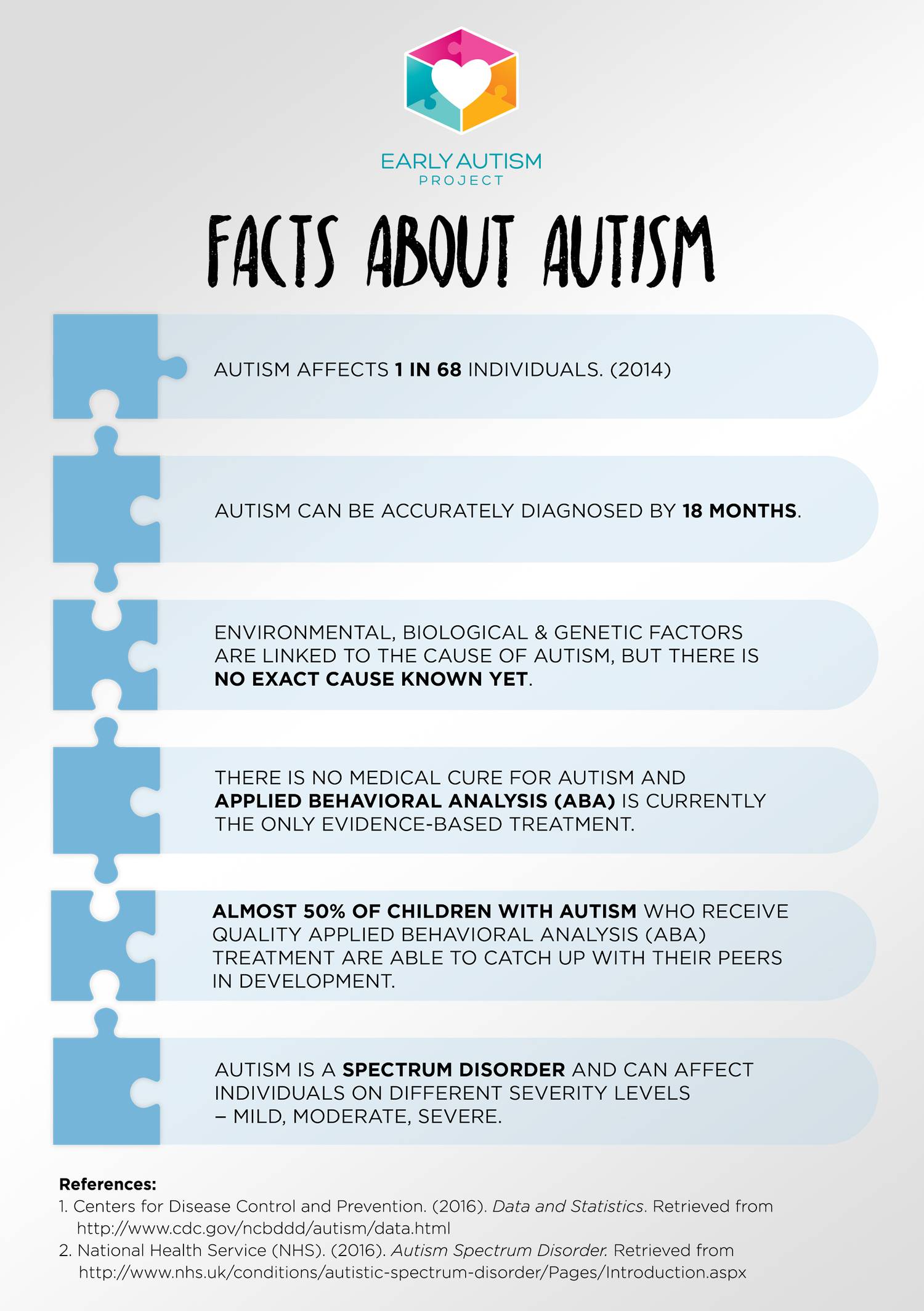
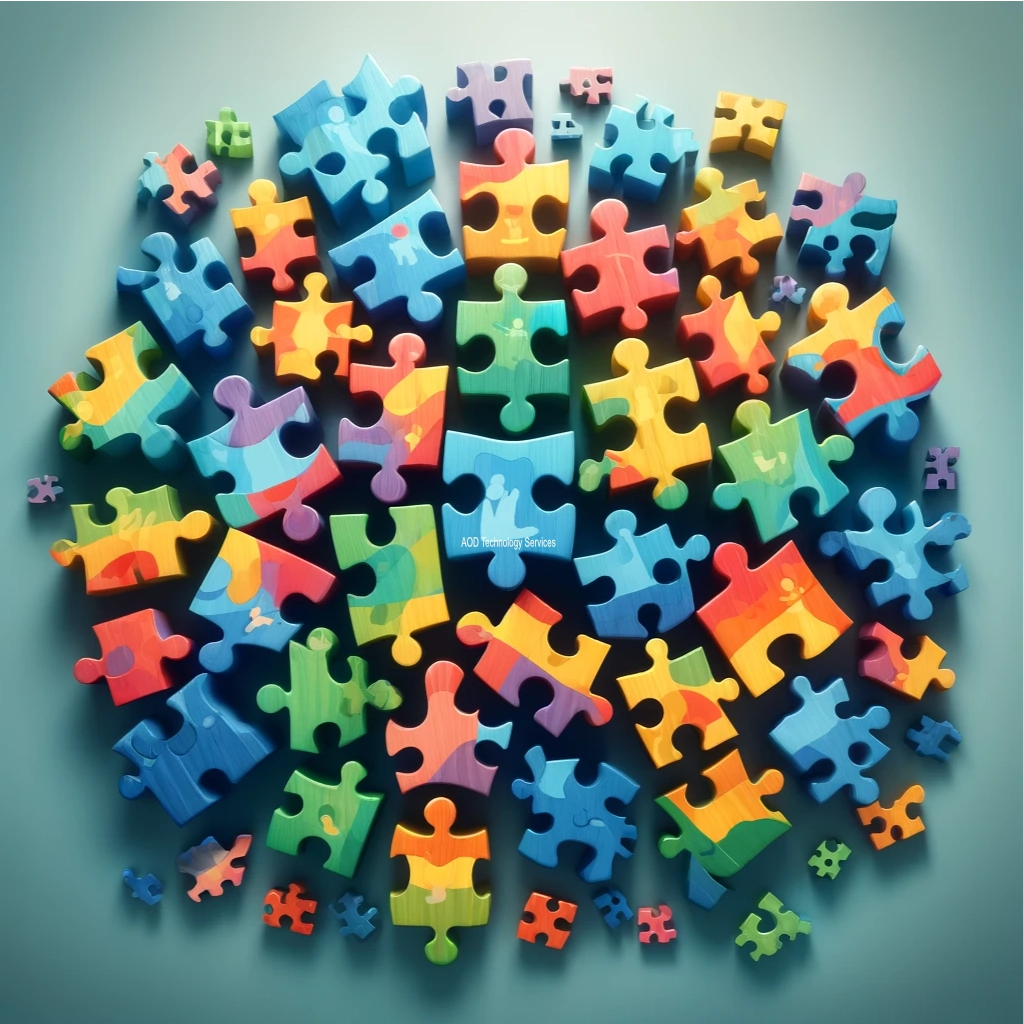
Autism, often likened to an intricate tapestry woven with threads of diverse colors and textures, defies simplistic understanding. It is not a monolith but a multifaceted spectrum, encompassing a wide range of behaviors, abilities, and experiences. In this labyrinth of perception and misconception, the task of distinguishing fact from fallacy becomes a vital pursuit. To journey through the landscape of autism is to uncover profound truths cloaked beneath layers of myth, each revelation shedding light on the unique appeal and complexity of neurodiversity.
The Spectrum: An Intricate Mosaic of Human Experience
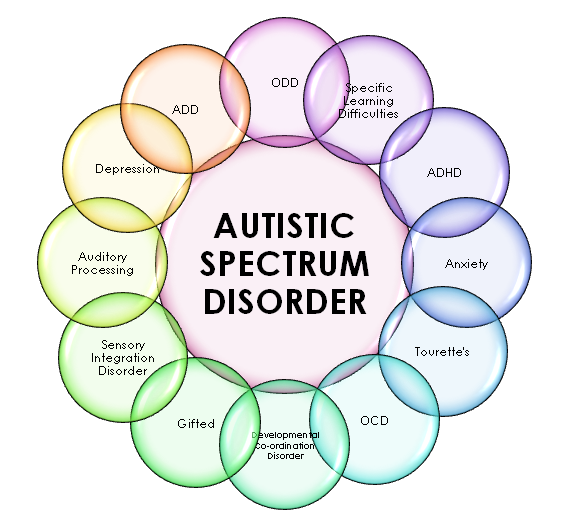
Autism Spectrum Disorder (ASD) embodies an expansive continuum of developmental variations that affect communication, behavior, and social interaction in ways that are as diverse as the individuals themselves. It is neither a disease nor a deficit but rather an alternative neurological wiring that orchestrates the brain’s functions differently. This divergency often results in heightened focus, exceptional memory, or unique problem-solving skills, counterbalancing the challenges that may arise in daily interactions.
Imagining autism as a spectrum is akin to contemplating a prism refracting light into myriad colors; each individual reflects a distinct constellation of traits. Some may possess outstanding talents in fields like mathematics, music, or art, while others require support with social-emotional cues or sensory sensitivities. The notion of “one size fits all” utterly fails to capture the nuanced portrait painted by this condition.
Deconstructing Common Myths
Myths surrounding autism proliferate, often fueled by misinformation and fear. One pervasive misconception is that all autistic individuals lack empathy. In reality, many possess profound emotional depth, though their expressions of empathy might diverge from neurotypical patterns. For some, overwhelming sensory input renders emotional processing arduous, but this does not imply an absence of care or understanding.
Another fallacy envisions autism as a consequence of poor parenting or environmental factors; such erroneous beliefs delay diagnosis and stigmatize families unfairly. Autism is fundamentally a neurodevelopmental condition with strong genetic underpinnings, not a product of neglect or upbringing.
It is also mistakenly believed that autism only affects children, when, in truth, it is a lifelong condition. Adults on the spectrum often navigate complex social landscapes with remarkable resilience and adaptability. Recognizing the persistent nature of autism invites a more compassionate and sustained approach to support throughout the lifespan.
Communication: Beyond Words and Gestures
Autistic communication transcends conventional verbal exchanges. Some individuals may be nonverbal or use augmentative communication tools, while others engage in rich conversations but with atypical patterns. Understanding these diverse modalities challenges societal expectations anchored in rigid communication norms.
Stereotypes frequently portray autistic individuals as aloof or disinterested, yet many desire meaningful connections. Their expression of sociality might involve directness or unique interests, which, when acknowledged respectfully, can forge authentic relationships. To decode this intricate language requires patience and openness, empowering dialogues that honor different cognitive landscapes.
Sensory Sensitivities: Living in a World of Amplified Stimuli
Imagine navigating a bustling city where each sound, light, and texture is interpreted with intensified clarity or discomfort. For many autistic individuals, sensory sensitivities are a daily reality. Ordinary sensations—like the hum of fluorescent lights or the texture of clothing—can provoke acute distress or overwhelm. This heightened sensory awareness shapes how they interact with their environment and necessitates thoughtful accommodations.
Recognition of sensory processing differences underscores the importance of creating inclusive spaces—quiet rooms, adjustable lighting, and tolerance for sensory aids such as noise-cancelling headphones all become crucial tools. Awareness mitigates misunderstanding, shifting perspectives from judgment to empathy.
Strengths and Contributions: The Unique Appeal of Autism
Within the elegant complexity of autism lies a constellation of strengths that enrich societies. Autistic individuals often possess remarkable attention to detail, unwavering dedication to passions, and distinct cognitive approaches that foster creativity and innovation. These attributes challenge conventional paradigms and invite fresh perspectives.
Societal appreciation for neurodiversity is gradually expanding, emphasizing inclusion rather than assimilation. Recognizing autism as a variant of human cognition with inherent value transforms narratives and opens pathways for empowerment. The unique appeal of autism, therefore, resides not in overcoming differences but in celebrating them.
Diagnosis and Intervention: Navigating the Path Forward
Early diagnosis remains a pivotal factor in providing timely interventions that enhance quality of life. Comprehensive assessments by multidisciplinary teams evaluate developmental milestones, behavior patterns, and communication styles. However, diagnosis is merely the beginning—not a determinant of potential but a gateway to tailored support.
Intervention strategies vary widely, from behavioral therapies and social skills training to educational accommodations and assistive technologies. The emphasis is increasingly on person-centered approaches that respect individual preferences and autonomy, moving away from one-dimensional models that seek to “normalize” autistic behavior.
Societal Perspectives: Moving from Stigma to Acceptance
The journey from stigma to acceptance involves dismantling entrenched stereotypes and fostering genuine understanding. Media representations often skew reality, either by romanticizing autism or sensationalizing its challenges, both of which obscure the authentic experiences of those on the spectrum.
Community-led advocacy highlights the importance of listening to autistic voices. Empowerment stems from visibility and inclusivity, advocating for policy changes and education that embrace diversity. Acceptance is not passive tolerance but active celebration of difference, paving the way for a richer, more compassionate society.
Autism, far from being a puzzle to solve or a condition to fear, unfolds as a distinctive lens through which the human experience can be viewed anew. Separating facts from myths illuminates the vast terrain of neurodiversity, inviting deeper appreciation for the subtle complexities that define us all. Like the intricate patterns of a finely wrought tapestry, autism enriches the fabric of humanity—each thread essential, vibrant, and unique.