In the labyrinthine discourse surrounding autism, one theme recurring with insistence is the role of toxins. The conflation of environmental hazards with the etiology of autism spectrum disorder (ASD) has stirred both public apprehension and scientific inquiry. Yet, amidst the clamor, a critical reassessment invites a paradigm shift—one that transcends fear and grasps the nuanced interplay between environmental exposures and neurodevelopment. This article journeys beyond oversimplified narratives, unraveling intricate evidence and fostering a sophisticated understanding that challenges misperceptions.
Demystifying the Toxin Narrative: Origins and Evolution
The association between toxins and autism traces back to a mosaic of epidemiological observations and controversial hypotheses. Early studies often spotlighted exposure to heavy metals such as mercury and lead, as well as chemicals in industrial pollutants and pesticides. Sensationalized claims linking vaccines containing thimerosal to autism further entrenched public fears. Although these assertions catalyzed widespread anxiety, rigorous scientific methodologies have progressively excised such claims from credible discourse.
This historical backdrop underscores the potency of narrative framing in shaping societal perceptions. The challenge lies in discerning empirical veracity from conjecture propagated by misinformation. It is imperative to decipher which environmental agents, if any, exert plausible influence on neurodevelopment without succumbing to reductionist causality.
Understanding Autism Spectrum Disorder: Complexity Beyond Single Causes
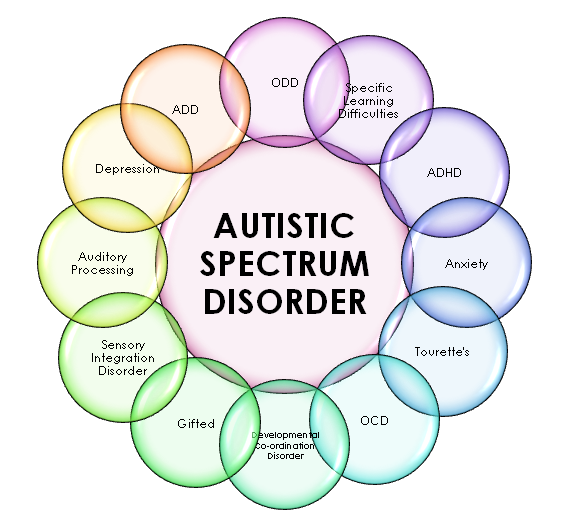
Autism is a heterogenous neurodevelopmental condition characterized by disparities in social communication and restricted, repetitive behaviors. Crucially, it emanates from a multifactorial etiology. Genetic susceptibilities interlace with prenatal and perinatal environmental factors, weaving a complex etiological tapestry.
Emerging evidence elucidates that no singular toxin or environmental exposure acts in isolation to precipitate ASD. Instead, gene-environment interactions and epigenetic mechanisms play pivotal roles. Such intricacy defies simplistic narratives that attribute autism solely to toxic exposures and calls for investigating nuanced contributory frameworks.
The Role of Environmental Toxins: Evidence and Nuances
Environmental toxins encompass a broad spectrum of substances, including heavy metals, pesticides, air pollutants, and industrial chemicals. The scientific community has scrutinized these agents for potential neurotoxic effects during critical windows of brain development.
For instance, prenatal exposure to high levels of certain air pollutants has been tentatively linked to an increased risk of ASD in some epidemiological studies. Similarly, exposure to organophosphate pesticides during pregnancy has been identified as a possible risk modifier. However, these associations are intricate, often confounded by socioeconomic variables and genetic predispositions.
It is vital to emphasize that current evidence does not definitively establish direct causality. Moreover, the dose, timing, and duration of exposure profoundly affect neurodevelopmental outcomes, highlighting the necessity for context-sensitive interpretations rather than alarmist declarations.

Dispelling Misconceptions: Vaccines, Mercury, and More
The myth that vaccines contribute to autism remains one of the most persistent and damaging misconceptions. Exhaustive research, including large-scale epidemiological studies, has failed to demonstrate any causal link between vaccines—and their components such as thimerosal—and ASD.
Similarly, the fear surrounding mercury exposure centers on outdated concerns about vaccine preservatives, ignoring the substantial reductions and eliminations of these substances in immunization schedules worldwide. It is crucial to differentiate between toxic effects documented in unrelated contexts and unfounded attributions within autism research.
Towards a Balanced Perspective: Scientific Vigilance and Public Health
Recognizing environmental toxins as potential risk factors demands ongoing vigilance without succumbing to alarmism. The field benefits from advanced biomonitoring techniques, longitudinal cohort studies, and refined exposure assessments that enrich understanding.
Public health strategies must emphasize prevention where evidence substantiates risks, such as minimizing pregnant individuals’ exposure to high levels of air pollutants and pesticides. Simultaneously, fostering informed discourse that resists sensationalism supports rational policy-making and resource allocation.
Future Directions: Integrative Research and Empowered Communities
The horizon of autism research beckons integrative approaches that meld genomics, exposomics, and neurobiology. Such interdisciplinary endeavors promise insights into how genetic predispositions modulate responses to environmental insults.
Moreover, empowering communities through education and evidence-based information reduces stigma and dismantles barriers to access quality care and support. Cultivating informed curiosity rather than paralyzing fear equips families and practitioners alike to navigate the complexities of ASD with resilience and hope.
In confronting the question of autism and toxins, the imperative is clear: transcend reductive fears and embrace sophisticated inquiry. This journey necessitates patience, critical thinking, and an unwavering commitment to scientific integrity. Through such a lens, the discourse transforms—from one mired in anxiety to one illuminated by clarity and possibility.