Pregnancy is often likened to steering a fragile vessel across unpredictable seas, where every decision charts the course of a new life. Among these decisions, the mother’s diet stands as a compass—guiding not just physical growth, but potentially influencing complex neurodevelopmental outcomes like autism spectrum disorder (ASD). The intricate relationship between prenatal nutrition and the risk of autism has captured the curiosity of scientists and expectant mothers alike, underscoring the importance of discerning what is truly safe to consume during this critical period.
Decoding Autism: A Complex Mosaic of Genetic and Environmental Influences
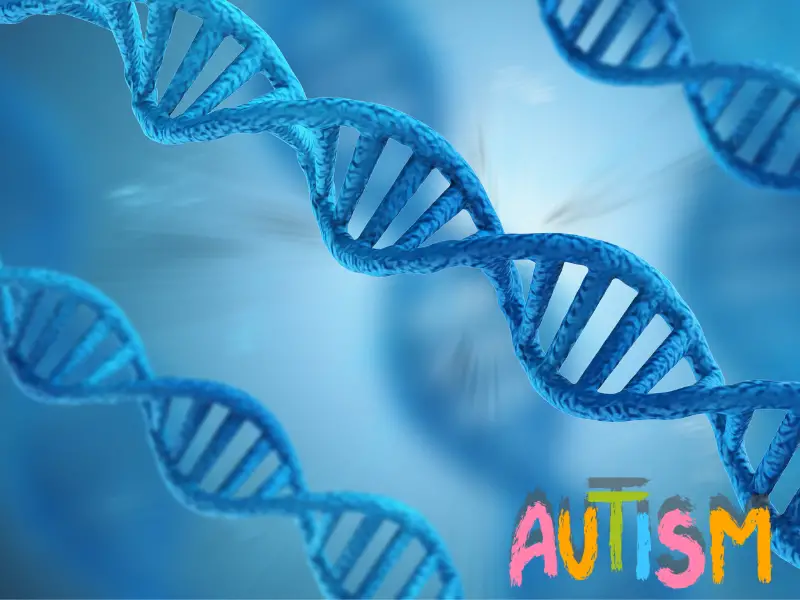
Autism is a multifaceted neurodevelopmental condition characterized by differences in social communication and behavioral patterns. While genetics lay the foundational blueprint, the prenatal environment overlays this with nuanced modulations—diet included. Emerging research suggests that certain nutritional elements, or deficiencies thereof, during pregnancy may subtly alter fetal brain development, potentially shifting the trajectory toward or away from ASD.
This multifactorial mosaic demands a meticulous balancing act. It’s not merely about avoiding harm but proactively nurturing the developing brain through optimal nutrition.
Micronutrients: The Unsung Architects of Neural Development
Vitamins and minerals function as the unseen architects within the womb, orchestrating intricate biological processes essential for brain formation. Among these, folate and vitamin D have garnered prominent attention. Folate, a B-vitamin pivotal in DNA synthesis and repair, has been inversely correlated with the risk of autism when adequately supplied during early pregnancy. Its role is akin to laying a sturdy foundation for a building—without it, structural integrity falters.
Vitamin D, often hailed as the “sunshine nutrient,” transcends its traditional role in bone health. It fosters brain cell differentiation and immune regulation, representing a crucial factor in neurodevelopment. A deficiency during gestation has been tentatively linked to increased autism risk, although research is ongoing.
Omega-3 Fatty Acids: Nourishing the Neural Symphony
Omega-3 fatty acids, particularly DHA (docosahexaenoic acid), resemble the fine strings of a musical instrument—without which the symphony of brain development becomes discordant. These essential fats accumulate in the fetal brain during the third trimester, supporting cognitive functions and synaptic connectivity.
A diet enriched with oily fish, flaxseeds, and walnuts during pregnancy has been associated with enhanced neurodevelopmental outcomes. Conversely, omega-3 insufficiency may lead to subtle disruptions in neuronal signaling, potentially influencing ASD susceptibility.
Avoiding the Neurotoxic Sirens: Harmful Substances in Pregnancy Diet
While nourishing the fetus is paramount, pregnant individuals must also beware of neurotoxic substances that stealthily jeopardize fetal brain health. Mercury, predominantly found in certain large predatory fish such as swordfish and king mackerel, can cross the placental barrier with ease, disrupting neural processes and contributing to developmental disorders.
Additionally, excessive consumption of processed foods laden with artificial additives, trans fats, and high sugar content may create an inflammatory milieu detrimental to neurodevelopment. Striking a balance means avoiding these siren calls while embracing wholesome, natural foods.
The Gut-Brain Axis: Maternal Microbiota’s Role in Neurodevelopment
Recent explorations into the gut-brain axis reveal a compelling narrative where maternal microbiota shape fetal brain development indirectly via immune modulation and metabolic signaling. Probiotic-rich foods like yogurt, kimchi, and sauerkraut may endow the maternal-fetal dyad with resilience against inflammatory triggers implicated in ASD.
This emerging vista advocates for a diet that fosters microbial diversity—a garden where beneficial bacteria thrive, cultivating optimal conditions for neurodevelopment.
Practical Dietary Guidelines: Navigating Nutritional Choices with Precision
To synthesize these insights into actionable guidance, pregnant individuals are encouraged to:
- Consume a variety of nutrient-dense foods: Incorporate leafy greens, legumes, nuts, and whole grains to ensure a broad spectrum of micronutrients.
- Prioritize high-quality protein: Sources like lean meats, eggs, and legumes support tissue formation and neurotransmitter synthesis.
- Include safe omega-3 sources: Opt for low-mercury fish such as salmon and sardines, or consider supplements after consulting healthcare providers.
- Moderate intake of caffeine and avoid alcohol: Both have established negative impacts on fetal brain development.
- Limit exposure to processed and high-sugar foods: To reduce inflammatory risks and support microbiota balance.
- Supplement wisely: Prenatal vitamins containing folate and vitamin D should be taken as prescribed.
Interweaving Diet with Holistic Prenatal Care
Diet, while vital, composes only one movement in the concerto of prenatal care. Managing stress, ensuring adequate sleep, and regular health screenings further sculpt the intrauterine environment conducive to neurodevelopmental well-being. Collectively, these factors harmonize to lower the risk of autism and other developmental challenges.
As with any voyage into complex biological realms, individual variability reigns supreme. Consulting healthcare professionals for personalized nutritional strategies ensures that mothers navigate the tumultuous waters of pregnancy with both confidence and care.
Ultimately, the journey of nurturing life is a delicate dance between science and art. Through informed dietary choices, mothers lay down the nutritional brushstrokes that may color the canvas of their child’s neurological future. While no diet guarantees absolute prevention, fostering an environment rich in essential nutrients and devoid of harmful toxins is a sovereign act of love and prudence—an investment in the intricate masterpiece that is the developing human brain.