The rhythmic clop of hooves against earth, the warmth of a horse’s flank beneath gentle hands, the unspoken bond between human and animal—these are not merely sensory experiences but the foundational elements of a transformative therapeutic practice. For individuals on the autism spectrum, horseback riding transcends recreation; it becomes a conduit for growth, connection, and self-discovery. The synergy between autism and horseback riding is rooted in neuroscience, psychology, and the innate empathy of equine companions. This article delves into the multifaceted therapeutic benefits, the structured methodologies, and the profound personal narratives that underscore why this practice is gaining recognition as a cornerstone of holistic autism care.
Before exploring the specifics, it’s essential to recognize that autism is a spectrum—each individual’s experience is as unique as a fingerprint. Yet, common threads weave through their journeys: challenges with sensory processing, social interaction, emotional regulation, and motor skills. Horseback riding, when tailored to these needs, offers a dynamic and engaging solution. The horse, with its keen intuition and non-judgmental presence, becomes an unwitting therapist, mirroring emotions and fostering a sense of agency. The act of riding itself is a symphony of physical coordination, cognitive engagement, and emotional attunement, making it an ideal modality for addressing the diverse needs of autistic individuals.
The Neuroscience of Connection: How Horses Rewire the Brain
The therapeutic alliance between humans and horses is not merely anecdotal; it is underpinned by neurobiological mechanisms that facilitate profound change. When an autistic individual mounts a horse, their brain undergoes a cascade of adaptations. The vestibular system, responsible for balance and spatial orientation, is stimulated through the horse’s gait, which mimics the natural sway of a human’s walking motion. This rhythmic input can recalibrate sensory processing, reducing hyper- or hypo-sensitivity to stimuli. Meanwhile, the horse’s movement engages the cerebellum, enhancing motor planning and coordination—skills often compromised in autism.
Equally compelling is the role of oxytocin, the “bonding hormone.” Interactions with horses trigger its release, fostering trust and reducing anxiety. For autistic individuals, who may struggle with social cues, the horse’s predictable yet responsive nature provides a safe space to practice emotional attunement. The horse’s body language—subtle shifts in ear position, tail swishing, or changes in gait—becomes a language of its own, teaching riders to read and respond to non-verbal signals. This reciprocal communication hones social cognition, a skill that often eludes autistic individuals in traditional settings.
The prefrontal cortex, the brain’s command center for executive function, also benefits from equine-assisted activities. Planning a riding session, following instructions, and problem-solving—such as adjusting posture or communicating with the horse—exercise cognitive flexibility. Over time, these activities can improve impulse control, working memory, and adaptive thinking. The horse, in essence, becomes a living biofeedback tool, providing immediate, tangible responses to the rider’s actions. This real-time feedback loop accelerates learning and reinforces positive behaviors.
Structured Pathways: Types of Therapeutic Horseback Riding
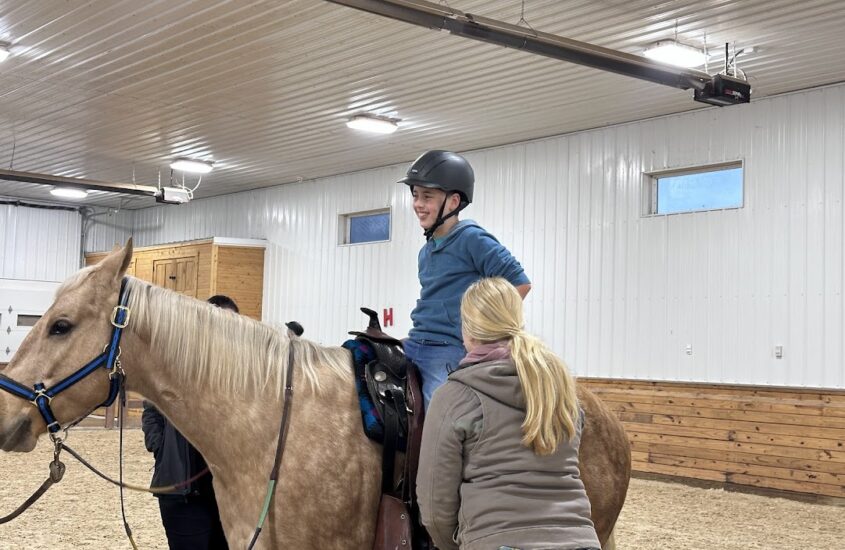
Therapeutic horseback riding is not a monolithic practice; it encompasses a spectrum of methodologies, each designed to address specific needs. The most common form is adaptive riding, where certified instructors tailor lessons to the rider’s abilities, using specialized equipment like ramps, mounting blocks, or adaptive saddles. These sessions focus on building confidence, improving core strength, and enhancing fine and gross motor skills. The horse’s movement is harnessed to improve posture and balance, while the rider’s engagement with the animal fosters emotional resilience.
Another modality is hippotherapy, a clinical approach that integrates the horse’s movement into a therapist’s treatment plan. Unlike adaptive riding, hippotherapy is led by occupational, physical, or speech therapists who use the horse’s gait as a therapeutic tool. For autistic individuals with motor delays or sensory integration challenges, hippotherapy can improve muscle tone, coordination, and body awareness. The therapist might incorporate games or tasks—such as reaching for objects or following verbal cues—while the horse walks, trots, or performs lateral movements. This multi-sensory input is particularly effective for individuals with autism, as it engages multiple neural pathways simultaneously.
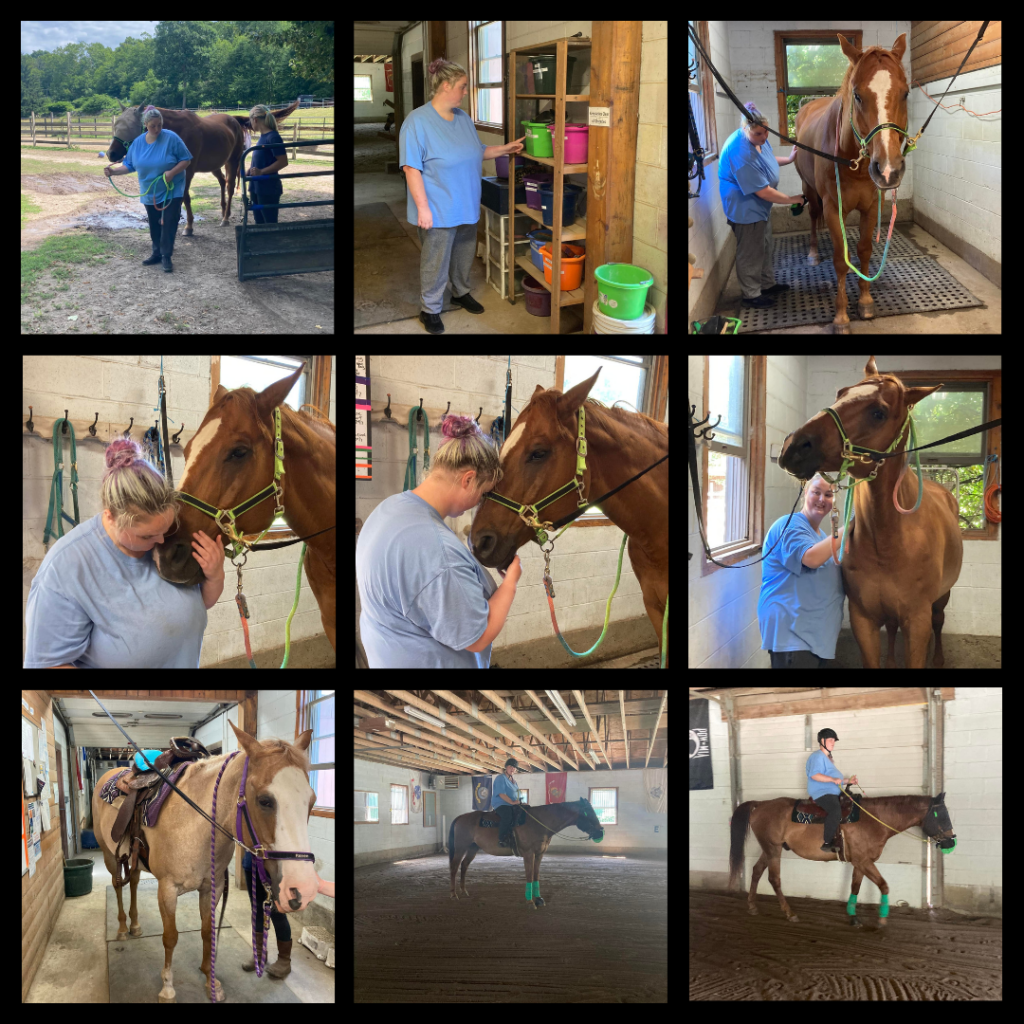
Equine-facilitated learning (EFL) takes a more holistic approach, blending riding with groundwork and unmounted activities. These sessions often include grooming, leading, or even obstacle courses, which teach responsibility, empathy, and problem-solving. For autistic individuals who struggle with social interactions, EFL provides a structured yet flexible environment to practice turn-taking, sharing, and emotional expression. The horse’s role as a non-verbal partner reduces the pressure of human interaction, allowing riders to build skills at their own pace.
Finally, therapeutic vaulting—a blend of gymnastics and dance on horseback—offers a creative outlet for autistic individuals who thrive in rhythmic, repetitive activities. Vaulting requires coordination, balance, and creativity, making it an excellent tool for improving motor skills and self-expression. The circular arena and the horse’s steady pace create a predictable environment, which can be soothing for individuals with autism who crave routine and structure.
Beyond the Arena: Emotional and Social Growth
The benefits of horseback riding extend far beyond the physical and cognitive realms; they permeate the emotional and social fabric of an autistic individual’s life. For many, the horse becomes a trusted confidant, a silent witness to their struggles and triumphs. The act of riding itself can be meditative, offering a respite from the chaos of sensory overload or emotional dysregulation. The horse’s calm demeanor acts as an anchor, grounding the rider in the present moment and teaching mindfulness without the need for formal meditation.
Socially, the horse serves as a bridge between the autistic individual and the world. In group riding lessons, riders learn to communicate with their peers, share the arena, and follow instructions—all while interacting with the horse. The shared experience of riding fosters a sense of camaraderie, reducing feelings of isolation. For autistic individuals who struggle with eye contact or verbal communication, the horse provides a non-threatening focal point, easing social anxiety. Over time, these interactions can generalize to other social settings, improving the rider’s ability to navigate relationships.
Emotionally, the bond with the horse can be transformative. Autistic individuals often experience intense emotions but may lack the tools to express or regulate them. The horse’s responsiveness to the rider’s emotional state—whether it’s frustration, joy, or fear—teaches emotional attunement. Riders learn to recognize their own emotions and respond appropriately, not just to the horse but to themselves. This self-awareness is a critical step toward emotional regulation and resilience.
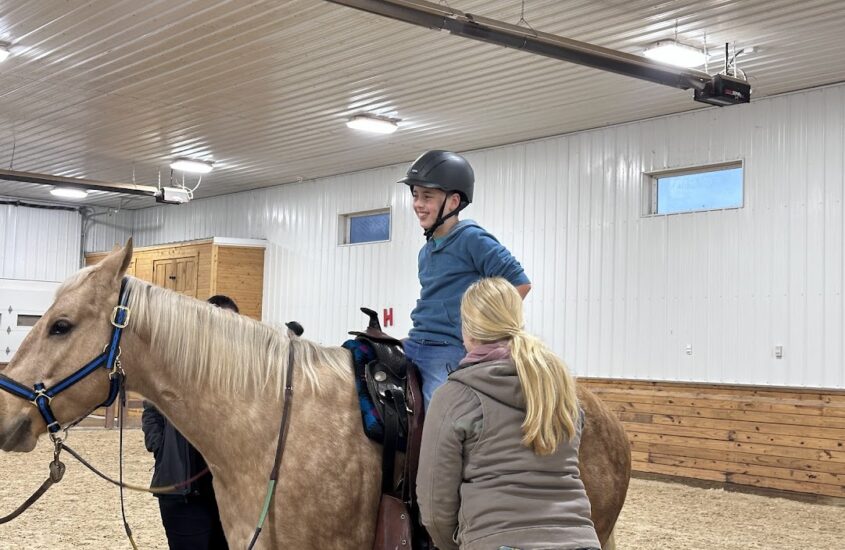
The sense of achievement that comes with mastering a new riding skill—whether it’s posting at the trot or navigating an obstacle course—can also boost self-esteem. For autistic individuals who may feel marginalized in traditional educational or social settings, the horse’s unconditional acceptance fosters a sense of belonging. The rider’s progress, no matter how incremental, is celebrated, reinforcing a growth mindset and a belief in their own capabilities.
Practical Considerations: What to Expect in a Therapeutic Riding Program
Embarking on a therapeutic riding journey requires careful planning and collaboration between the rider, their support team, and the riding center. The first step is typically an assessment, where the instructor evaluates the rider’s physical, cognitive, and emotional needs. This assessment helps tailor the program to the individual’s goals, whether it’s improving balance, reducing anxiety, or enhancing social skills. Safety is paramount, so riders are often introduced to the horse on the ground before mounting, allowing them to build trust and familiarity.
Sessions are typically structured to include warm-up activities, riding exercises, and cool-down periods. The instructor may incorporate games, songs, or storytelling to keep the rider engaged and motivated. For autistic individuals who thrive on routine, consistency is key—sessions are often scheduled at the same time each week, with clear expectations and predictable transitions. The riding center may also provide accommodations, such as sensory-friendly environments, noise-canceling headphones, or alternative communication tools, to ensure the rider feels comfortable and supported.
Parental or caregiver involvement is often encouraged, as it reinforces the skills learned in sessions and provides continuity in the rider’s daily life. Some programs offer parent training, where caregivers learn to incorporate equine-assisted activities into their child’s routine at home. This holistic approach ensures that the benefits of riding extend beyond the arena, into the rider’s everyday experiences.
Cost and accessibility can be barriers for some families, but many riding centers offer scholarships, sliding-scale fees, or partnerships with insurance providers. It’s essential to research local programs, read reviews, and visit the facility to ensure it aligns with the rider’s needs and values. The right program will prioritize safety, inclusivity, and a client-centered approach, fostering an environment where the rider can thrive.
A Glimpse into Transformation: Real-Life Narratives
The true measure of therapeutic horseback riding lies in the stories of those who have experienced its transformative power. Take, for example, a non-verbal teenager who struggled with severe anxiety and sensory overload. Through adaptive riding, she learned to communicate her needs using a picture exchange system, her confidence growing with each session. Her mother tearfully recounted how her daughter, who once refused to leave the house, now eagerly anticipated her weekly riding lessons, her face alight with joy as she cantered around the arena.
Another narrative involves a young boy with autism who found solace in the rhythmic motion of the horse’s gait. His occupational therapist noted significant improvements in his posture, core strength, and emotional regulation after just a few sessions of hippotherapy. His teachers reported that he was more focused in class, his outbursts decreasing as he learned to channel his energy into riding. The boy, who had once been labeled “unmanageable,” now proudly wore his riding helmet to school, a symbol of his newfound agency.
These stories are not outliers; they are testaments to the profound impact of therapeutic horseback riding. They highlight the importance of patience, persistence, and a willingness to meet the individual where they are. For autistic individuals, the horse is more than a therapy tool—it is a partner in their journey toward self-discovery and empowerment.
The path to growth is not linear, nor is it without its challenges. Yet, for those who embark on this journey, the rewards are immeasurable. The clop of hooves, the warmth of a horse’s breath, the quiet understanding that passes between rider and animal—these are the threads that weave together a tapestry of healing, resilience, and hope. In the arena, autism is not a limitation but a unique perspective, one that the horse honors and nurtures. As the sun sets over the riding field, casting long shadows and a golden glow, it’s clear that this is more than therapy. It is a celebration of the human spirit, in all its diversity and strength.