
Have you ever watched a child meticulously assemble a miniature world, their brow furrowed in concentration, their fingers dancing over plastic bricks and painted landscapes? What if that child happens to be on the autism spectrum? Could model building, that timeless pastime of patience and precision, offer more than just entertainment—could it be a sanctuary, a bridge, or even a form of silent communication? For many autistic individuals, model building transcends hobby status; it becomes a lifeline, a sanctuary of order amid sensory chaos, and a canvas for creativity that speaks in a language of shapes and colors. Yet, this journey is not without its hurdles. What challenges might arise when blending the structured world of model kits with the unique needs of neurodivergent minds? And how can caregivers and educators harness this potential without stifling the joy it brings?
The Therapeutic Alchemy of Model Building
Model building is more than a tactile exercise—it is a symphony of fine motor skills, cognitive sequencing, and emotional regulation. For autistic individuals, the predictability of a model kit’s instructions can be a grounding force, a counterbalance to the unpredictability of daily life. Each step, from snapping together plastic parts to painting delicate details, follows a logical progression, offering a sense of control and accomplishment. The sensory feedback—whether the smooth click of interlocking pieces or the vibrant hues of freshly applied paint—can be deeply soothing, almost meditative.
Consider the case of a nonverbal autistic teenager who found solace in assembling model airplanes. The repetitive motion of applying glue to tiny wings, the rhythmic placement of decals, and the final reveal of a miniature aircraft provided a rare moment of clarity in a world often fraught with confusion. For this individual, model building was not just a pastime; it was a form of self-expression, a way to externalize thoughts and emotions that words could not capture. The act of creation became a dialogue between the builder and their creation, a silent conversation that required no translation.
Sensory Harmony: Crafting a Calming Corner with Models
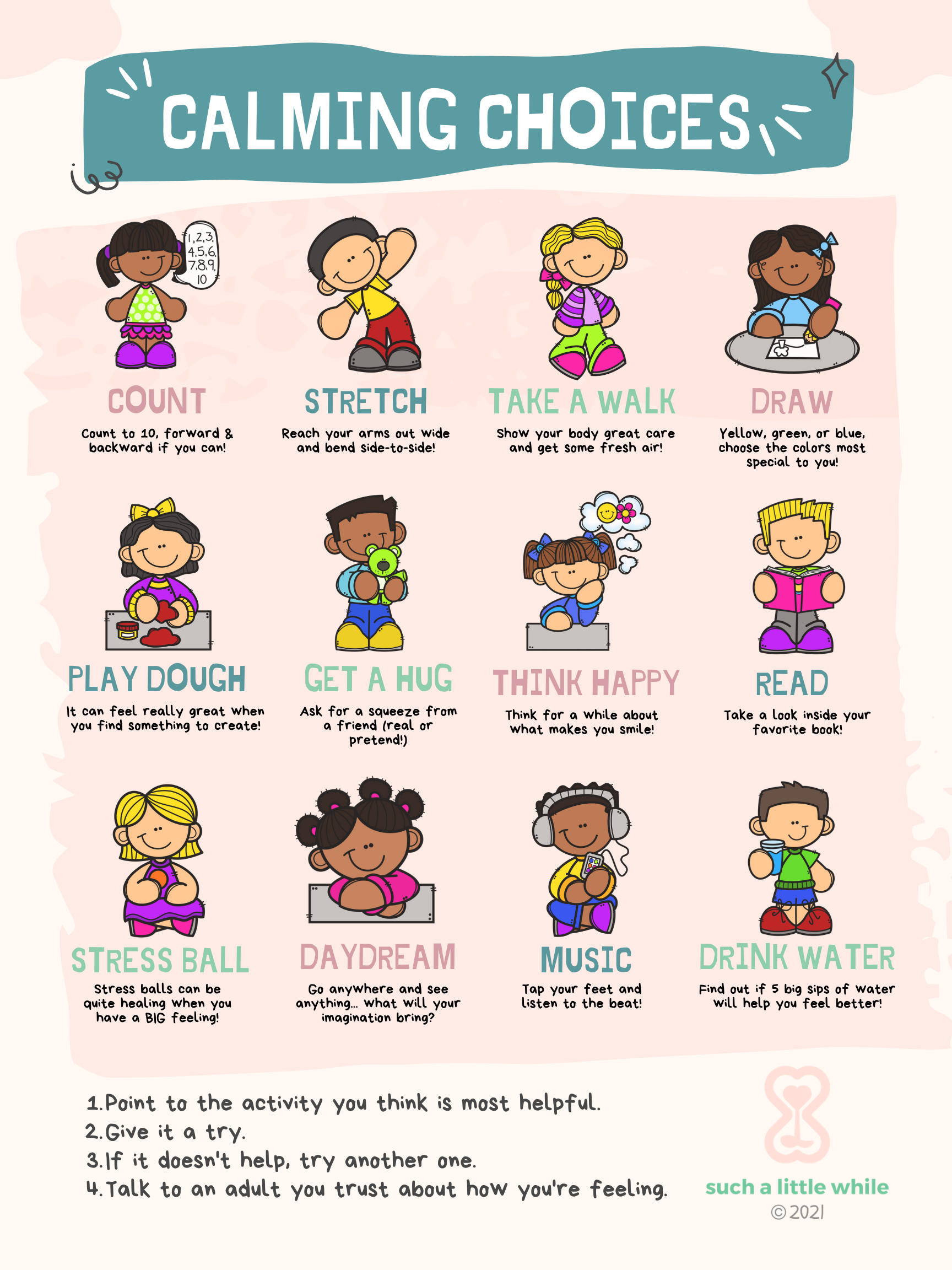
Imagine transforming a corner of a room into a sensory haven, where the clatter of bricks and the scent of fresh plastic evoke tranquility rather than overwhelm. A calming corner outfitted with model-building supplies can serve as a retreat for autistic individuals seeking respite from overstimulation. The key lies in curating the environment to align with sensory preferences—whether that means opting for matte finishes to reduce glare, selecting kits with minimal small parts for those sensitive to tactile discomfort, or incorporating weighted blankets to provide deep-pressure input during the building process.
However, sensory harmony is not one-size-fits-all. What soothes one individual may agitate another. A child who thrives on the crisp snap of new LEGO bricks might recoil from the sticky residue of glue. Caregivers must observe and adapt, perhaps introducing modular building systems that require no adhesive or experimenting with textured tools that cater to specific tactile needs. The goal is not perfection but progress—a gradual acclimation to the sensory delights of model building without triggering distress.
The Cognitive Chessboard: Models as Tools for Focus and Problem-Solving
Model building is a cerebral endeavor, a puzzle that demands patience, foresight, and adaptability. For autistic individuals, who often excel in pattern recognition and systematic thinking, this activity can sharpen cognitive skills while providing a tangible reward for perseverance. The process of following instructions, troubleshooting misaligned parts, and envisioning the final product cultivates executive function—a set of mental skills that can be challenging for neurodivergent minds.
Yet, the cognitive benefits extend beyond mere problem-solving. Model building can serve as a metaphor for life’s challenges, teaching the value of breaking down complex tasks into manageable steps. A child who struggles with transitions might find reassurance in the incremental nature of model assembly, where each completed stage brings them closer to the finished product. The lesson is clear: progress, no matter how small, is still progress. This mindset can translate into other areas of life, fostering resilience and a growth-oriented perspective.
Social Bridges: Building Connections Through Shared Creation
Model building need not be a solitary pursuit. In fact, it can be a powerful catalyst for social interaction, bridging gaps between autistic individuals and their peers, siblings, or caregivers. Shared projects—whether a collaborative diorama or a friendly competition to assemble a kit the fastest—create opportunities for communication, cooperation, and mutual celebration. The structured nature of model building can alleviate social anxiety, providing a clear framework for interaction without the pressure of unpredictable social cues.
For autistic children who struggle with verbal communication, model building can become a nonverbal language, a way to connect through shared interests and tangible outcomes. A parent and child working side by side on a model ship may find that the silence between them is not empty but filled with understanding. The act of creation becomes a silent dialogue, a shared language that transcends words.
The Unseen Hurdles: Challenges and Considerations
Despite its many virtues, model building is not without its pitfalls for autistic individuals. Frustration can arise when a piece does not fit as expected, when instructions are unclear, or when sensory sensitivities clash with the materials at hand. The rigid structure of some kits may feel confining to those who prefer open-ended creativity, while the fine details of painting or decaling can overwhelm those with motor skill challenges. Additionally, the cost of high-quality kits may pose a barrier for some families, turning what should be a joyful activity into a source of stress.
Caregivers must navigate these challenges with empathy and flexibility. This might mean investing in adjustable tools, such as ergonomic cutters or magnifying glasses, to accommodate fine motor difficulties. It could involve sourcing kits with larger, easier-to-handle pieces for younger builders or those with limited dexterity. Alternatively, it might mean embracing imperfection—celebrating a slightly crooked paint job or a mismatched decal as a testament to the builder’s unique perspective rather than a flaw to be corrected.
From Hobby to Healing: Integrating Models into Therapeutic Practices
Recognizing the therapeutic potential of model building, some occupational therapists and educators have begun incorporating it into treatment plans for autistic individuals. Occupational therapy sessions might include model building as a tool for improving hand-eye coordination, bilateral integration, and sensory processing. In educational settings, model building can be integrated into STEM curricula, teaching principles of engineering and physics through hands-on experimentation. The key is to frame model building not as a chore but as an opportunity—a chance to develop skills while indulging in a passion.
Therapists often use model building as a reward system, offering it as a motivator for completing less preferred tasks. For example, a child who struggles with writing assignments might earn the privilege of assembling a model after finishing their homework. This approach leverages the child’s intrinsic motivation, making the therapeutic process feel less like a requirement and more like a reward.
In the quiet hum of a workshop or the cozy confines of a calming corner, model building unfolds as more than a pastime—it becomes a sanctuary, a classroom, and a bridge. For autistic individuals, it offers a rare blend of structure and creativity, a place where order and imagination coexist. The challenges it presents are not roadblocks but opportunities for growth, resilience, and self-discovery. Whether it’s the snap of a LEGO brick, the stroke of a paintbrush, or the final placement of a tiny figurine, each step in the process is a testament to the power of creation. So, the next time you see someone engrossed in assembling a model, pause for a moment. You might just be witnessing more than a hobby—you might be seeing a lifeline, a language, and a legacy in the making.












