
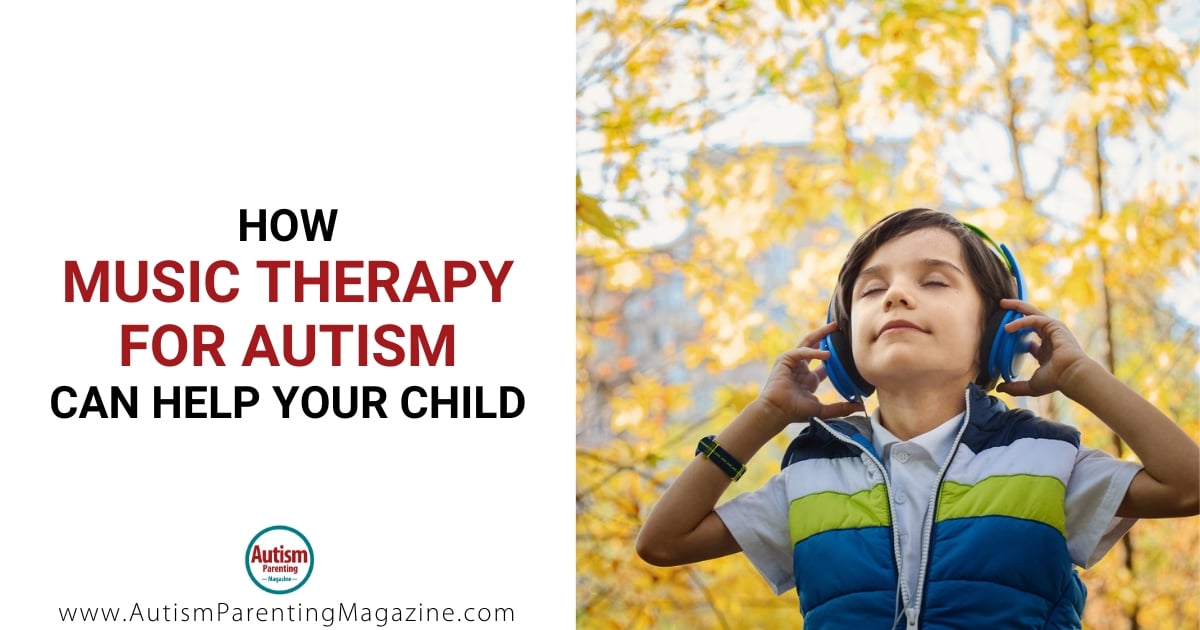
In the quiet hum of a therapy room, a child with autism sits before a piano, fingers hovering over the keys. The first note lingers, uncertain, then cascades into a melody that seems to unlock something within. Music therapy isn’t just about sound—it’s a symphony of connection, a bridge across the chasm of communication. For families navigating the complexities of autism, it offers more than solace; it presents a pathway to growth, a rhythm for development that resonates far beyond the notes.
Autism spectrum disorder (ASD) often presents challenges in communication, social interaction, and sensory processing. Yet, within these very challenges lies an opportunity—music, with its universal language, has the power to transcend barriers. When traditional methods falter, music therapy steps in, not as a replacement, but as a complementary force, weaving together cognitive, emotional, and motor skills in ways that feel organic and engaging. It’s not about forcing progress; it’s about creating an environment where progress can unfold naturally, like petals unfurling in the morning light.

The Science Behind the Harmony: How Music Therapy Reshapes the Brain
Neuroscience has begun to unravel the mystery of why music therapy works so profoundly for individuals with autism. Studies reveal that music activates multiple regions of the brain simultaneously—the auditory cortex, the limbic system, and even the motor areas. For someone with ASD, whose brain may struggle to integrate sensory inputs, music provides a structured yet flexible framework. It’s as if the brain, often overwhelmed by chaos, finds solace in the predictable yet dynamic patterns of sound.
Research from the Journal of Autism and Developmental Disorders highlights that music therapy can enhance neural connectivity, particularly in areas responsible for language and social cognition. When a child listens to or creates music, their brain forms new neural pathways, almost like rewiring a circuit board. This isn’t mere speculation; it’s a measurable shift. For parents and therapists, this means that music therapy isn’t just an abstract concept—it’s a tangible tool with the potential to reshape cognitive landscapes.
Moreover, music therapy leverages the brain’s reward system. Dopamine, the neurotransmitter associated with pleasure and motivation, is released when we engage with music. For individuals with autism, who may struggle with intrinsic motivation, this release can be a catalyst. It transforms therapy from a chore into an experience—one that they actively seek, not because they’re told to, but because it feels rewarding.
From Silence to Symphony: Communication Through Sound
Communication is often the most daunting hurdle for children with autism. Verbal language may feel elusive, and social cues can be perplexing. Yet, music offers a nonverbal medium where words are unnecessary. A drumbeat can convey emotion. A hummed tune can express joy. In music therapy, the child isn’t pressured to speak; instead, they’re invited to participate in a dialogue of sounds, where every note is a word waiting to be spoken.
For nonverbal individuals, music therapy can be a lifeline. Through rhythm and melody, they find a voice. Therapists often use improvisational techniques, where the child and therapist create music together in real time. This spontaneous interaction fosters a sense of agency and control, something that can be rare in the lives of autistic children. It’s not about perfection; it’s about expression. A child who struggles to articulate their needs might find it easier to communicate through a drum solo or a series of musical phrases.

Beyond verbal communication, music therapy also enhances pragmatic language skills—the unspoken rules of social interaction. Turn-taking, for instance, becomes a natural part of the musical experience. When a child plays an instrument in a session, they learn to wait for their turn, to listen, and to respond. These are the building blocks of social engagement, cultivated not through rigid instruction, but through the joy of making music together.
The Rhythmic Pulse: Motor Skills and Sensory Integration
Autism often comes with sensory sensitivities and motor challenges. Some children may be hypersensitive to touch or sound, while others might struggle with coordination or body awareness. Music therapy addresses these issues with a gentle yet effective approach. Drumming, for example, provides tactile feedback while also engaging fine and gross motor skills. The act of striking a drum requires precision, rhythm, and control—skills that translate to everyday movements.
For children with motor planning difficulties, music therapy offers a structured way to practice movement. Therapists might incorporate activities like marching to a beat, playing rhythm instruments, or even dancing to music. These exercises aren’t just about physical development; they’re about integrating sensory input in a way that feels manageable. A child who once flinched at loud noises might learn to tolerate them through gradual exposure in a musical context. Similarly, a child with poor coordination might find their footing through the steady pulse of a metronome.
Sensory integration is another critical aspect. Music therapy can help regulate the nervous system, providing a calming effect for those who are overstimulated or a stimulating effect for those who are under-responsive. The vibrations of a piano, the resonance of a singing bowl, or the gentle strumming of a guitar can all serve as tools for sensory modulation. It’s a form of self-regulation that doesn’t rely on external prompts but emerges from the child’s own interaction with sound.
Emotional Resonance: Music as a Container for Feelings
Emotional expression is a cornerstone of human experience, yet for many autistic individuals, it can feel like an insurmountable challenge. Music therapy provides a safe container for emotions—whether it’s frustration, joy, anxiety, or calm. Through improvisation, composition, or even listening, children can externalize their feelings in a way that feels non-threatening. A therapist might mirror the child’s musical phrases, validating their emotions without judgment. This process fosters emotional awareness and resilience, equipping children with tools to navigate their inner world.
For parents, witnessing their child express emotions through music can be transformative. It’s a glimpse into a world that may have previously felt closed off. A child who rarely speaks might suddenly belt out a song, or a child who struggles with anger might channel their frustration into a powerful drumbeat. Music becomes a language of the heart, where words are unnecessary, and feelings take center stage.
Moreover, music therapy can reduce anxiety and improve mood. The rhythmic nature of music has a soothing effect on the nervous system, slowing the heart rate and promoting relaxation. For children who experience meltdowns or sensory overload, music can serve as an anchor, grounding them in the present moment. It’s not about eliminating emotions but about providing a way to process them constructively.
Beyond the Session: Integrating Music into Daily Life
The benefits of music therapy aren’t confined to the therapy room. Families can harness the power of music in their daily routines to reinforce progress and foster connection. Simple activities like singing during transitions, playing background music during meals, or incorporating rhythm games into playtime can extend the therapeutic benefits. The key is consistency and intentionality—music becomes a thread woven into the fabric of everyday life.
Parents might also explore community music programs or adaptive music lessons tailored to their child’s needs. These settings provide opportunities for social interaction and skill-building in a more natural environment. Whether it’s a parent-child music class or a group drumming circle, these experiences reinforce the idea that music is a shared language, not just a therapeutic tool.

It’s important to remember that music therapy isn’t a one-size-fits-all solution. Each child’s journey is unique, and what works for one may not work for another. The goal isn’t perfection but progress—small, incremental steps that lead to meaningful growth. For some, it might be the first time they make eye contact during a song. For others, it might be the ability to follow a simple rhythm. These moments, though seemingly small, are monumental in the grand tapestry of development.
As families embark on this musical journey, they often discover that music therapy offers more than just developmental benefits. It fosters connection, not just between the child and the therapist, but within the family itself. Parents find themselves singing along, siblings joining in, and a shared language emerging from the notes. In a world that often feels fragmented, music becomes a unifying force—a rhythm that guides the way forward.
For those standing at the threshold of this journey, the promise of music therapy is not just in the notes played but in the lives transformed. It’s a reminder that even in silence, there is potential. Even in stillness, there is movement. And even in the most challenging moments, there is a melody waiting to be discovered.












