In an age where screens dominate much of daily life, their role in the lives of children with autism spectrum disorder (ASD) invites a nuanced and transformative dialogue. The conventional apprehensions surrounding screen time often frame it as a detriment, a habit to be limited or controlled. Yet, this perspective is ripe for reconsideration. When approached with intention and understanding, screen time for individuals with autism can transcend mere entertainment or distraction—it can become a powerful catalyst for learning, connection, and self-regulation. This article embarks on an exploration that promises not just guidance on setting healthy limits, but a fresh vantage point from which to view the delicate interplay between autism and the digital world.
Understanding Autism and the Digital Landscape
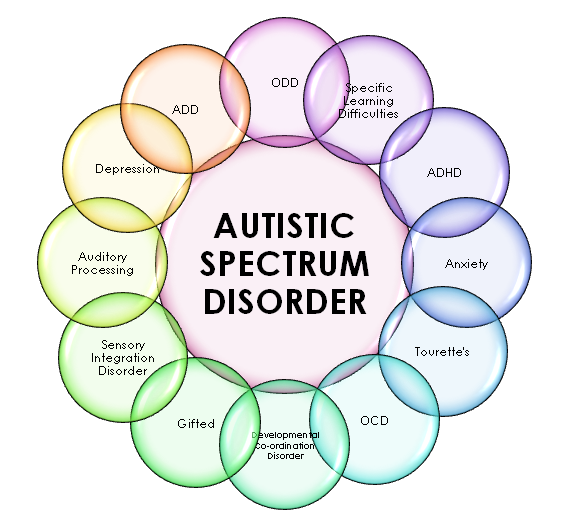
Autism is a multifaceted neurodevelopmental condition characterized by differences in communication, social interaction, and sensory processing. These unique neurological wiring patterns shape how each individual interfaces with their environment, including digital media. For many with ASD, screens can provide a predictable, controlled sensory experience—often contrasting with the unpredictability of the social world. Visual stimuli, repetitive patterns, and interactive apps offer a sense of stability and engagement that might otherwise be elusive.
However, this affinity also poses intricate challenges. The immense variety of digital content ranges from enriching educational tools to passive consumption that can exacerbate social withdrawal or hyperfocus. Therefore, discerning the qualitative aspects of screen time, rather than merely its quantity, is paramount.

The Promise Within Structure: Why Healthy Limits Matter
At first glance, imposing limits on screen usage might seem overly restrictive, particularly given how screens can soothe or stimulate children with autism. Yet, boundaries are not simply about restriction—they are about creating a framework in which each interaction can be maximized for benefit. Healthy limits foster rhythm and predictability, both of which can alleviate anxiety and promote executive functioning skills such as self-control and time management.
Crafting these limits thoughtfully involves understanding the individual’s preferences, sensitivities, and cognitive needs. When screen time becomes part of a balanced routine—interspersed with physical activity, social engagement, and offline learning—it cultivates a harmonious existence instead of fostering dependency or overstimulation.
Curating Content: The Art of Intentional Digital Engagement
Screen time is not a monolith. The qualitative disparities between passive consumption and interactive learning are stark, especially for children with ASD who often flourish with tailored, visually rich, and structured interfaces. High-quality educational programs, apps with sensory integration, and games encouraging problem-solving can catalyze cognitive and social development.
Parents, caregivers, and educators must become curators—selecting content that aligns with developmental goals rather than defaulting to what is most accessible or passive. Technologies that incorporate augmented reality or customizable sensory inputs can intrigue and support attention spans while mitigating sensory overload.

Balancing Screen Time with Sensory and Social Needs
One oft-overlooked challenge is the sensory processing dimensions that intertwine with screen use. Children with autism frequently have heightened or diminished sensory sensitivities that can make certain screen experiences either overwhelming or dull. Bright flashes, loud noises, and rapid movements might provoke distress, whereas softer visuals and calming interfaces might provide profound relaxation.
Integrating screen time as one component within a broader sensory diet can yield profound benefits. For example, alternating screen use with tactile or proprioceptive activities can prevent overstimulation and help regulate the nervous system. Additionally, digital interactions should be a springboard for social engagement, not a barrier. Facilitating activities where screen time leads to conversation, collaboration, or real-world application reinforces social cognition and communication.
Strategies for Implementing Healthy Screen Limits
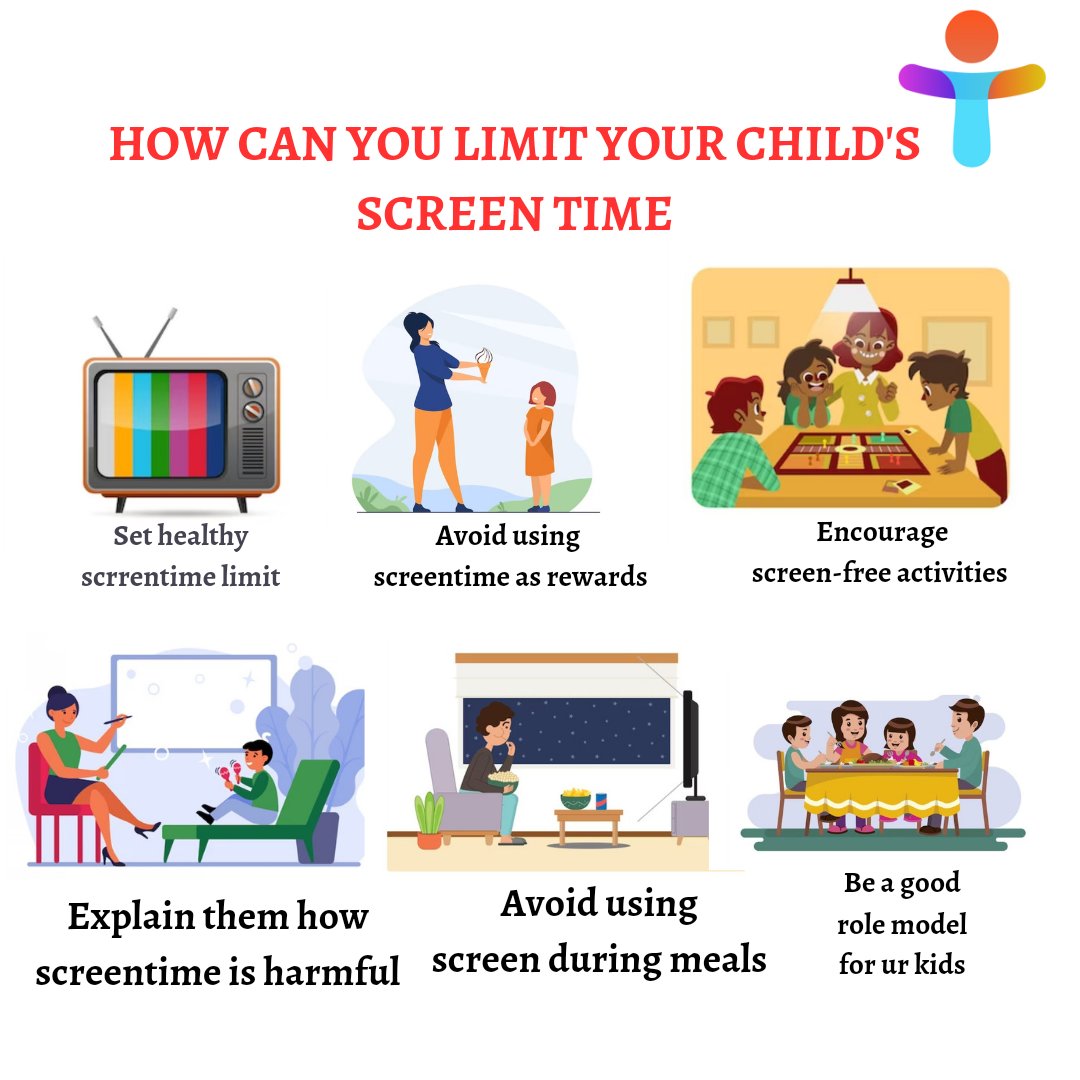
To set effective and empathetic boundaries, a multipronged approach is essential. Begin with observation—monitoring how the individual reacts to different types of screen interactions, durations, and contexts. Recognizing signs of fatigue, frustration, or zoning out helps tailor limits that respect the child’s unique rhythm.
Next, co-construct predictable schedules that integrate screen time at consistent intervals, helping reduce anxiety caused by unpredictability. Employ visual timers or cues to signal transitions between activities, mitigating resistance during shifts from screen to non-screen time.
Incorporating choice empowers the child, offering autonomy within limits. Allowing selection of content or timing fosters engagement and diminishes oppositional behavior often triggered by overly rigid restrictions.
Finally, model balanced behavior as caregivers. Children absorb habits through observation. Demonstrating mindful technology use—including device-free family moments—reinforces the value of moderation.

Looking Beyond Limits: Envisioning a Digital Partnership
Reimagining screen time with autism moves beyond setting rigid boundaries to fostering a symbiotic relationship with technology. When approached with insight, screen interactions can evolve into a form of digital partnership—augmenting strengths and compensating for challenges.
This mindset shift invites caregivers and educators to perceive technology not as an adversary but as a versatile tool to enhance communication, creativity, and independence. Smart integration—coupled with empathy and flexibility—ushers in a progressive standard of care that honors the individual’s distinct humanity.
Ultimately, the goal is not to eliminate screens but to weave them skillfully into an ecosystem where the child’s wellbeing, development, and joy flourish. Embracing this evolution may be one of the most profound gifts modern caregiving can offer.