Imagine standing on the shore, watching countless messages drift by on the waves—each wave a nuance, each ripple a glance, a smile, or a shift in tone. For most, these social cues are like the natural ebb and flow of the ocean, intuitively understood and effortlessly navigated. For individuals with autism, however, this ocean often appears as an enigmatic expanse shrouded in fog, where waves blend indistinctly and meaning slips through the fingers like grains of sand. The intricate dance of social communication is a terrain strewn with hidden signposts and veiled signals, making the decoding of social cues a profound challenge.
Unraveling the Invisible Language of Social Cues
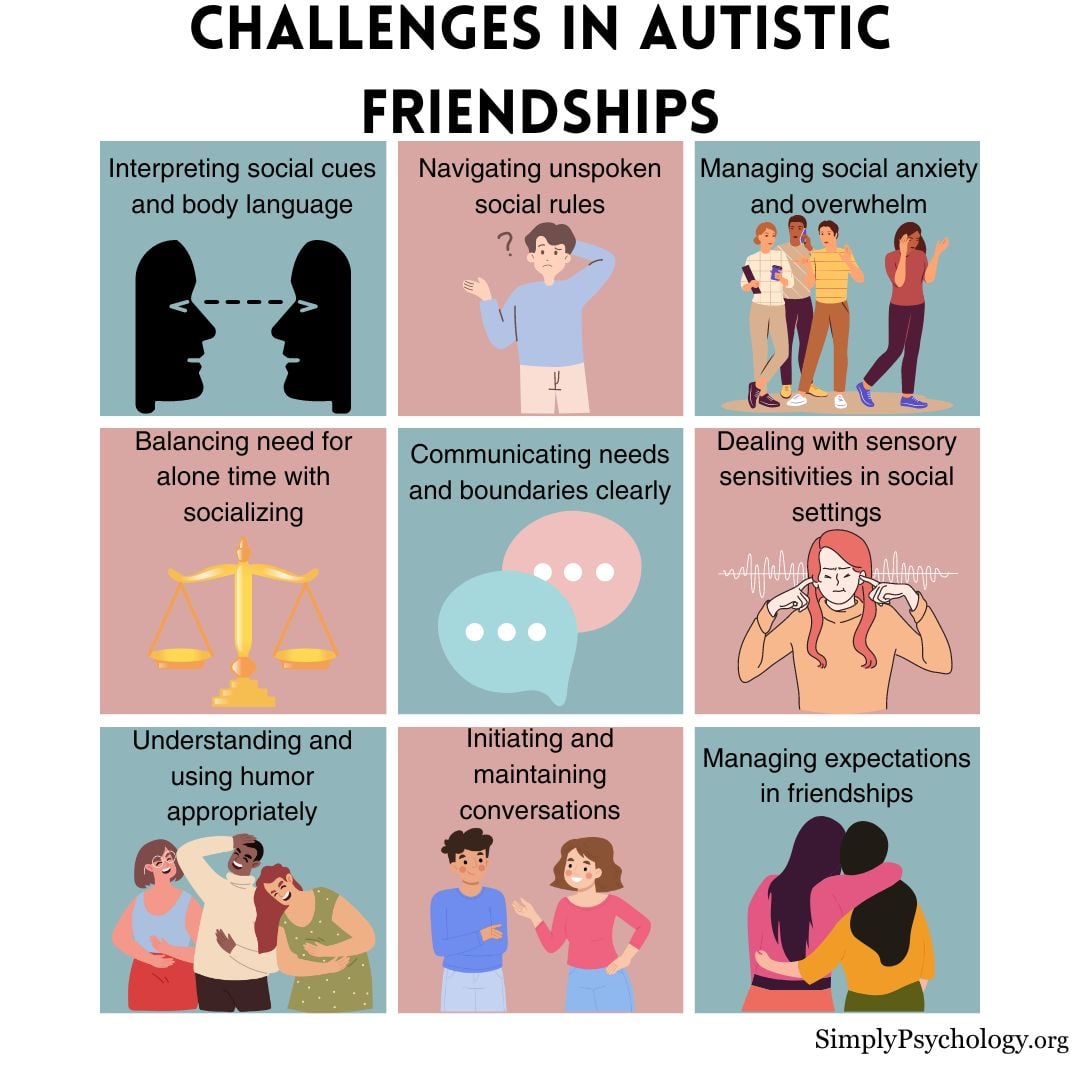
Social cues constitute an unspoken lexicon—the silent vocabulary that governs human interaction. These cues encompass a broad spectrum: facial expressions, body language, eye contact, tone modulation, and timing within conversation. For most people, this nonverbal language is absorbed so seamlessly from infancy that it feels instinctual. However, for those on the autism spectrum, the neurodivergent wiring affects how this language is perceived and processed, turning what seems effortless into a formidable puzzle.
Autistic individuals often describe social cues as cryptic symbols or ambiguous hieroglyphs. Unlike verbal communication, which relies on linguistic structure, social cues hinge on context, subtlety, and shared cultural understandings. This opacity is exacerbated by the dynamic and fleeting nature of these cues, which are rarely explicit and often layered with meaning. The challenge lies not only in recognition but also in discerning their multifaceted implications.

The Neurological Foundations of Social Perception Variability
Neuroscientific inquiry reveals that differences in the social brain network—the interconnected regions responsible for social cognition—underpin difficulties in reading social cues. Areas such as the amygdala, superior temporal sulcus, and fusiform gyrus exhibit altered activation patterns in autistic individuals. These variations influence how facial expressions are processed and how attention is allocated in social contexts.
Moreover, the pace at which social information is integrated can vary significantly. The brain’s temporal processing may not align with the rapid, fluid exchange typical in social interactions, rendering many social cues inscrutable. In essence, the neurobiology of autism shapes a distinct perceptual reality, one where the familiar signals of social engagement must be consciously unraveled rather than intuitively grasped.
Contextual Ambiguity and the Social Maze
Social cues rarely carry singular meanings; their interpretation is heavily context-dependent. A raised eyebrow might signify skepticism in one setting and surprise in another. The social context acts as the prism refracting a cue into specific meaning. For autistic individuals, deciphering this complex interplay of context and cue is akin to navigating a labyrinth without a map.
The uncertainty inherent in social cues can lead to misinterpretation, heightened anxiety, and social withdrawal. This is not simply a matter of misunderstanding; it reflects a fundamental divergence in sensory processing and cognitive frameworks. What neurotypical individuals perceive as a brief, harmless gesture can be experienced as an overwhelming and indecipherable stimulus.

Emotional Resonance and Empathic Synchronization
Empathy often hinges on the ability to read subtle emotional signals and respond in kind. For autistic people, the path to empathic synchronization can be winding. Difficulties with social cues do not imply a lack of empathy but rather a difference in how emotional information is perceived and expressed.
One fascinating aspect is the divergence between cognitive empathy—the intellectual understanding of another’s emotions—and affective empathy, which is the visceral, emotional response. Many autistic individuals excel in the former while experiencing challenges with the latter, particularly when subtle social cues are involved. This nuanced empathy profile underscores the unique emotional landscapes shaped by social processing differences.
Strategies and Supports: Illuminating the Social Enigma
Though social cues may feel like an indecipherable code, many autistic individuals develop personalized strategies to navigate this complexity. Explicit teaching of social rules, use of visual supports, and technology-assisted communication can provide clarity. Interventions grounded in cognitive-behavioral approaches help in reinforcing the recognition and interpretation of social signals.
Peer support and inclusive environments play a vital role in fostering social understanding and connection. When neurodiverse communication styles are respected and accommodated, the oppressive mystique of social cues can be dismantled. This paves the way for authentic interactions that transcend the constraints of conventional social paradigms.
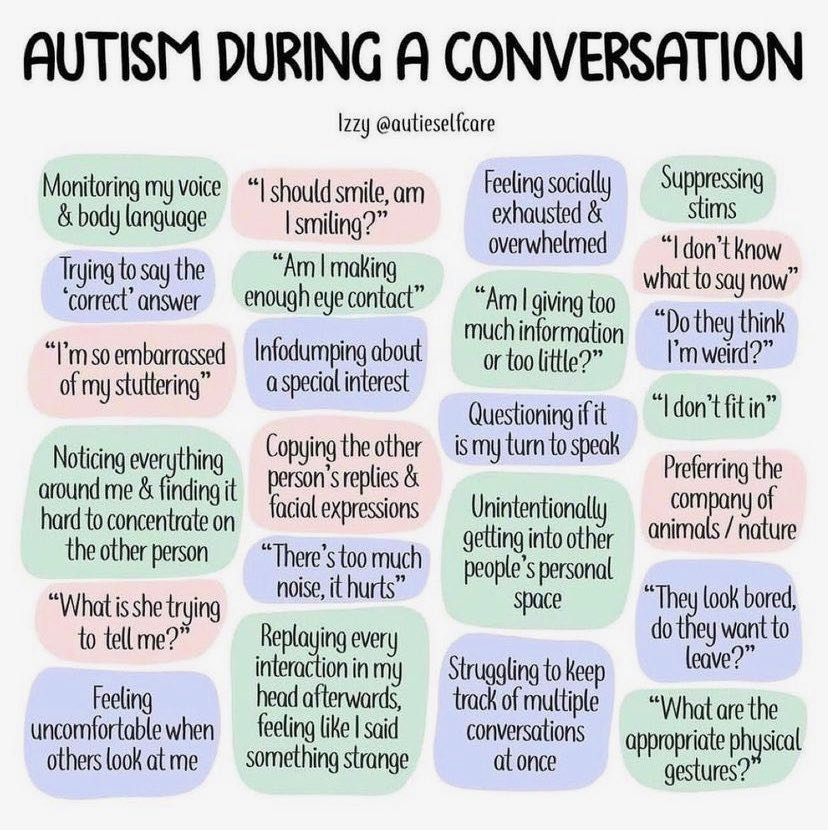
The Unique Appeal of Autistic Social Perception
Behind the veil of challenges lies a compelling uniqueness in how autistic individuals experience social worlds. The attentiveness to detail, the sincerity of communication, and the fresh perspectives brought to social engagement reveal an alternate mode of interaction. This difference enriches the social mosaic, inviting society to expand its definition of communication.
Recognizing and valuing autistic social perception encourages a more inclusive society—one that appreciates the multiplicity of human connection styles. When the social ocean is no longer seen as a barrier but as a varied landscape, the dialogue between neurotypes gains depth, vibrancy, and transformative potential.
Conclusion: Navigating Toward Mutual Understanding
Social cues are the constellation by which human interaction is navigated, but the stars do not shine for everyone with equal clarity. Autism casts a complex shadow on this constellation, obscuring the signals that many take for granted. Embracing this neurodiversity with patience and insight is paramount.
Efforts to bridge the gap between social comprehension and social expression foster not only individual empowerment but also collective enrichment. The challenge of interpreting social cues in autism is not a deficit to be erased but a difference to be respected and understood. Through awareness, compassion, and tailored support, the once foggy ocean of social interaction transforms into a navigable journey, rich with potential and new discoveries.