Have you ever scrolled through your social media feed and paused at a post that made you think, “Why isn’t this conversation happening more often?” Perhaps it was a story about autism—one that didn’t just mention awareness, but invited you into a world where voices are amplified, not silenced. Autism and social media advocacy aren’t just buzzwords; they’re a dynamic intersection where authenticity meets action, and silence is no longer an option. Yet, as powerful as these platforms can be, they also pose a subtle challenge: how do we ensure that advocacy doesn’t become performative, that awareness doesn’t fade into noise, and that every post doesn’t just echo, but resonates?
In a digital landscape where attention spans flicker like candle flames, using your voice online to advocate for autism isn’t just about sharing a post or using a hashtag. It’s about crafting a narrative that invites participation, challenges misconceptions, and fosters genuine connection. Whether you’re an autistic individual sharing your journey, a family member amplifying a loved one’s story, or an ally using your platform to educate, your voice matters. But to wield it effectively, you must first understand the terrain—its strengths, its pitfalls, and the subtle art of turning awareness into advocacy.
The Power of Digital Storytelling: Why Your Voice Matters
Social media has democratized storytelling. Gone are the days when narratives about autism were controlled by institutions or media gatekeepers. Today, anyone with an internet connection can share their truth, challenge stereotypes, and build communities. Autistic creators, in particular, are reshaping the dialogue by offering unfiltered, firsthand perspectives that traditional media often misses. A single TikTok video, a Twitter thread, or an Instagram carousel can reach thousands—sparking conversations, correcting misinformation, and fostering empathy.
But here’s the paradox: while digital platforms offer unprecedented reach, they also demand authenticity. A performative post—one that uses autism as a trendy topic without depth or intent—can do more harm than good. The key lies in narrative integrity. When you share your story or advocate for autism, ask yourself: Is this post rooted in truth, or is it crafted for likes? Authenticity isn’t just about being real; it’s about being intentional. It’s the difference between a viral moment and a lasting impact.

Navigating the Noise: How to Advocate Without Losing Your Message
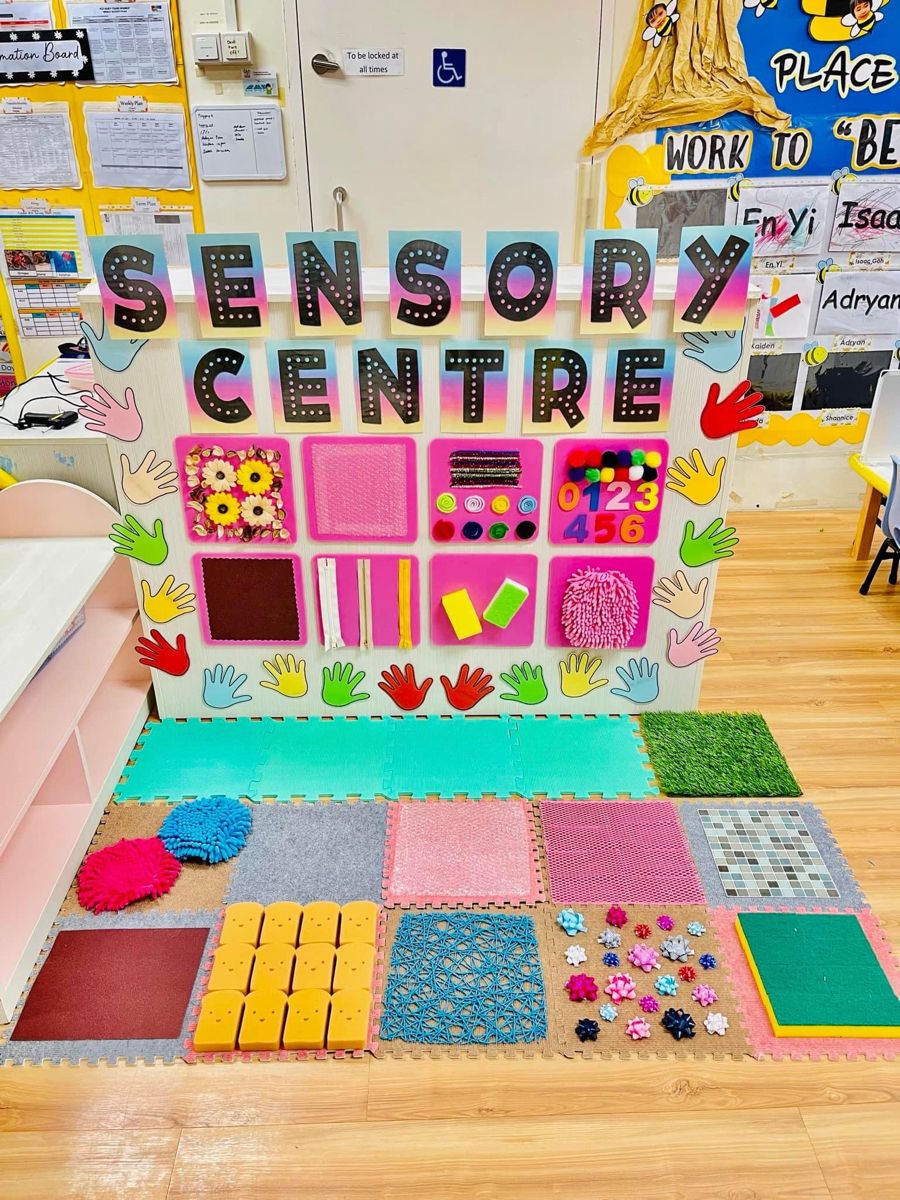
Social media is a cacophony of voices, each clamoring for attention. In this environment, autism advocacy can easily get lost in the shuffle—or worse, co-opted by trends that dilute its meaning. The challenge isn’t just getting heard; it’s ensuring your message lands with clarity and purpose. One effective strategy is to anchor your advocacy in education. Instead of generic calls for “acceptance,” share resources, debunk myths, or explain the nuances of autism—like how sensory sensitivities vary widely, or why some autistic individuals may struggle with eye contact not out of rudeness, but due to neurological differences.
Another tactic is to leverage visual storytelling. Infographics, short videos, and even memes can distill complex ideas into digestible, shareable content. For example, a carousel post breaking down the DSM-5 criteria for autism in simple terms can educate followers who might otherwise scroll past a wall of text. The goal isn’t just to inform but to invite curiosity—to make your audience pause and think, “I didn’t know that.”
Yet, even the most well-crafted posts can face pushback. Online spaces are rife with neurotypical gatekeeping, where well-meaning allies or even skeptics question the validity of autistic voices. The solution? Community over controversy. Build networks with other advocates, amplify marginalized voices within the autism community, and create safe spaces where dialogue can flourish without derailment. Remember, advocacy isn’t a solo act—it’s a chorus.
The Ally’s Dilemma: When Support Becomes Overstep
For allies—those who aren’t autistic but want to advocate—social media presents a unique challenge: how to support without speaking over. It’s a delicate balance between amplification and appropriation. The golden rule? Center autistic voices first. Share their content, uplift their stories, and use your platform to direct traffic to their work. Avoid speaking on their behalf unless explicitly invited to do so.
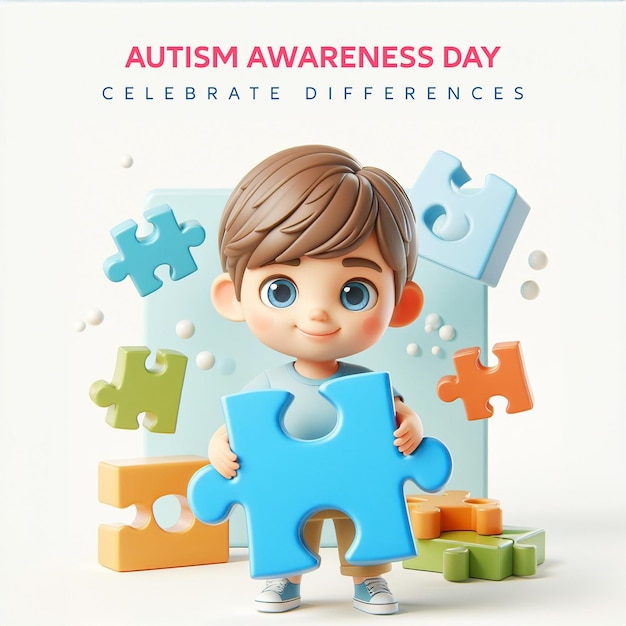
Another pitfall is performative allyship, where support is visible but shallow. Posting a blue puzzle piece on April 2nd (Autism Awareness Day) is easy. But what happens the rest of the year? True allyship is consistent, not seasonal. It’s about advocating for inclusive policies, calling out ableism in comments, and educating others long after the trending hashtag has faded. Ask yourself: Am I advocating because it’s trendy, or because it’s necessary?
Allies can also fall into the trap of saviorism—the belief that their support alone can “fix” systemic issues. Advocacy isn’t about saving; it’s about solidarity. It’s about listening, learning, and taking action where it’s needed most, whether that’s in schools, workplaces, or policy discussions.
From Clicks to Change: Turning Online Advocacy into Real-World Impact
Social media advocacy shouldn’t exist in a vacuum. The ultimate goal is to translate digital momentum into tangible change. This could mean supporting autistic-led organizations, donating to research initiatives, or even using your platform to pressure institutions into adopting inclusive practices. For instance, a viral post highlighting the lack of sensory-friendly spaces in public venues could pressure local governments to take action.
Another way to bridge the online-offline divide is through grassroots campaigns. Hashtags like #ActuallyAutistic or #RedInstead (a counter to the often problematic “Light It Up Blue” campaign) have sparked real-world movements. These aren’t just trends; they’re calls to action. By participating in or organizing such campaigns, you’re not just raising awareness—you’re building a movement.
But change doesn’t happen overnight. It requires persistence, adaptability, and a willingness to listen when you’re wrong. The most effective advocates are those who see social media as a tool—not the end goal. They use their platforms to educate, to challenge, and to inspire action, knowing that every post is a stepping stone toward a more inclusive world.
So, the next time you’re about to hit “post,” ask yourself: Is this post adding to the noise, or is it part of the solution? Autism advocacy on social media isn’t just about being seen—it’s about being heard, understood, and, ultimately, making a difference.
In a world where algorithms dictate visibility and attention is the new currency, your voice is more than a comment in the digital ether. It’s a potential catalyst for change. Whether you’re autistic, an ally, or simply someone who believes in equity, the power to reshape the narrative is in your hands. The question isn’t whether you can make a difference—it’s whether you’ll choose to use your voice wisely.