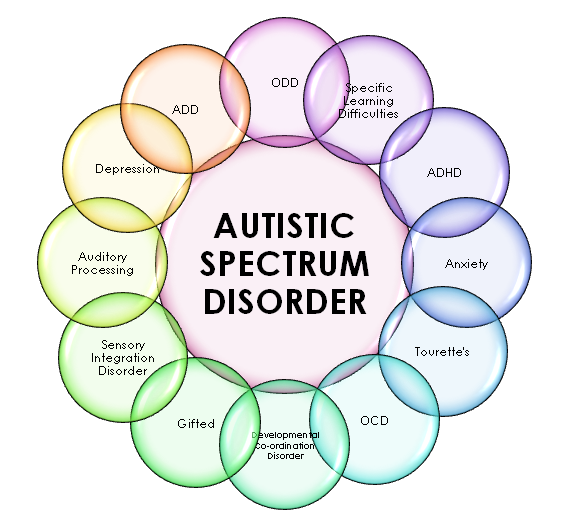
In the realm of autism education, social stories have emerged as a transformative pedagogical tool. These narrative constructs serve not only as conduits of information but as bridges connecting abstract social concepts with tangible understanding. The essence of social stories lies in their capacity to encapsulate nuanced social cues, expectations, and behaviors within accessible, personalized narratives. This methodology supports individuals with autism spectrum disorder (ASD) by fostering comprehension and easing navigation through complex social landscapes.
The Fundamentals of Social Stories
Social stories are carefully crafted short narratives that depict social situations, unfamiliar experiences, or new skills in a clear, concise format. Their intent is to demystify social interactions by providing explicit guidance on what to expect, how to respond, and why certain behaviors are important. These stories are often tailored to the cognitive and emotional needs of the individual, employing simple language, vivid imagery, and structured sequences.
At their core, social stories blend instructional content with empathetic insight, offering reassurance and predictability. For many individuals with autism, the uncertainty of social encounters can provoke anxiety or confusion. Social stories ameliorate these challenges by presenting social information as a digestible narrative, breaking down social norms into discrete, manageable components.
Exploring Diverse Social Story Themes
The versatility of social stories is evidenced by the broad spectrum of themes they encompass. Each category addresses unique social realms and predicaments, providing targeted support to learners across developmental stages and contexts.
Daily Social Interactions
Mastery of everyday social exchanges is essential for building relationships and fostering community integration. Social stories addressing greetings, farewells, and conversational turn-taking equip individuals with scripts and strategies to navigate these fundamental interactions confidently. For example, stories about greeting others elucidate customary practices, such as making eye contact or offering a handshake, framing them as predictable and reciprocal activities rather than enigmatic rituals.

Such narratives address the subtleties of social reciprocity and encourage the development of empathy through role-playing and perspective-taking embedded within the text.
Life Skills and Independence
Beyond social etiquette, social stories extend into practical domains such as self-care routines, navigating transportation, or preparing for medical appointments. These stories build autonomy by elucidating step-by-step sequences and behavioral expectations in scenarios that might otherwise induce stress or resistance. Through repetition and familiarization, individuals internalize procedures, reducing anxiety and enhancing adaptive functioning.
Emotional Regulation and Self-Advocacy
Understanding and managing emotions is a formidable hurdle for many on the autism spectrum. Social stories focusing on emotional literacy guide learners in identifying feelings, recognizing physiological cues, and employing coping strategies. Furthermore, those emphasizing self-advocacy empower individuals to communicate needs, set boundaries, and seek assistance proactively, contributing to self-efficacy and psychological resilience.
Complex Social Concepts: Intimacy and Relationships
As adolescents and adults navigate the multifaceted terrain of romantic and interpersonal relationships, social stories tailored to dating and intimacy offer invaluable guidance. These narratives approach sensitive topics with tact and clarity, addressing consent, personal boundaries, and social norms in an accessible manner. By elucidating scenarios ranging from initial attraction to maintaining healthy relationships, these stories scaffold critical social skills that are often implicit or culturally nuanced.

Such content fosters understanding while mitigating potential misunderstandings or social vulnerability. This targeted approach helps bridge the gap between innate social curiosity and learned social competence in intimate contexts.
Incorporating Multimedia and Interactive Elements
Emerging trends in social story development include the integration of multimedia components such as videos, audio narration, and interactive digital formats. Webinar recordings, for instance, allow educators and caregivers to observe exemplars of social stories in practice, providing a dynamic framework for application and adaptation.

This augmentation enriches engagement by catering to diverse learning preferences and technological proficiencies. Visual and auditory reinforcements enhance retention and allow for iterative review, which is particularly beneficial for learners who require repeated exposure to master new information.
Customization and Cultural Sensitivity
The efficacy of social stories is amplified through personalization. Tailoring narratives to reflect an individual’s daily environment, interests, language, and cultural context fosters relevance and resonance. A culturally sensitive approach ensures that social expectations and behavioral norms presented in the stories align with the learner’s lived experience, preventing incongruence or confusion.
Customization also involves incorporating preferred characters, familiar settings, and interests, thereby transforming abstract lessons into relatable stories. This bespoke quality reinforces engagement and motivation, crucial elements in educational success.
Conclusion
Social stories stand as a beacon of clarity in the often ambiguous social world that individuals with autism must navigate. Through an array of thematic focuses—including everyday interactions, emotional regulation, life skills, and complex interpersonal relationships—these narratives provide scaffolding that is both instructive and empathetic. They translate social intricacies into accessible, digestible formats that promote understanding, confidence, and independence.
As educational methodologies evolve, the integration of multimedia enhancements and culturally attuned customization further solidify social stories as an indispensable component of autism support. Their transformative power lies in their simplicity and sensitivity—offering not just instruction but a trusted guide through the social maze, empowering individuals towards meaningful connection and holistic growth.