Autism spectrum disorder (ASD) often presents unique challenges in social interaction, communication, and emotional regulation. For individuals navigating these complexities, social stories emerge as a powerful, evidence-based tool to bridge gaps in understanding and foster meaningful connections. These custom-crafted narratives do more than entertain—they illuminate the unspoken rules of social engagement, normalize experiences, and empower readers with clarity. Whether you’re a parent, educator, therapist, or individual on the spectrum, crafting your own social stories can transform abstract social scenarios into digestible, actionable lessons. Below, we explore the art and science behind writing these tales, from their foundational principles to advanced techniques that cater to diverse needs.
The Essence of Social Stories: A Primer on Purpose and Structure
At their core, social stories are concise, first-person narratives designed to describe a specific social situation, skill, or concept. They blend simplicity with specificity, using clear language and visual cues to demystify social expectations. The structure typically follows a three-part framework: descriptive sentences (what happens), perspective sentences (how others feel), and directive sentences (what to do). This scaffolding ensures the story remains objective while gently guiding the reader toward desired behaviors.
Consider the scenario of a child struggling with transitions between activities. A well-constructed social story might begin with a descriptive sentence: “When the timer rings, it means it’s time to switch from playtime to cleanup.” A perspective sentence follows: “My teacher smiles when everyone helps put toys away.” The story concludes with a directive: “I will listen for the timer and start cleaning up right away.” This approach not only clarifies the sequence of events but also reinforces positive outcomes, making abstract concepts tangible.

Types of Social Stories: Tailoring Content to Unique Needs
Social stories are not one-size-fits-all; their effectiveness lies in their adaptability. The most common types include instructional stories, which teach specific skills like sharing or asking for help, and affirmative stories, which validate emotions and experiences. For instance, a story about “When I Feel Overwhelmed” might normalize sensory overload while offering coping strategies like deep breathing or taking a break.
Other categories include perspective stories, which help individuals understand others’ viewpoints, and celebratory stories, which reinforce achievements and positive behaviors. A child who struggles with interrupting conversations might benefit from a story titled “When I Want to Share My Thoughts,” which contrasts interrupting with raising a hand. The diversity in story types ensures that every reader can find a narrative that resonates with their personal or social challenges.
Crafting the Narrative: A Step-by-Step Guide to Writing
Writing a social story begins with identifying the target skill or situation. Start by observing the individual’s behavior and pinpointing the specific challenge. Is it difficulty with greetings? Trouble understanding sarcasm? Once the focus is clear, draft the story using the three-part structure. Keep sentences short, concrete, and free of ambiguous language. For example, instead of saying “Be polite,” write “I will say ‘please’ when I ask for something.”
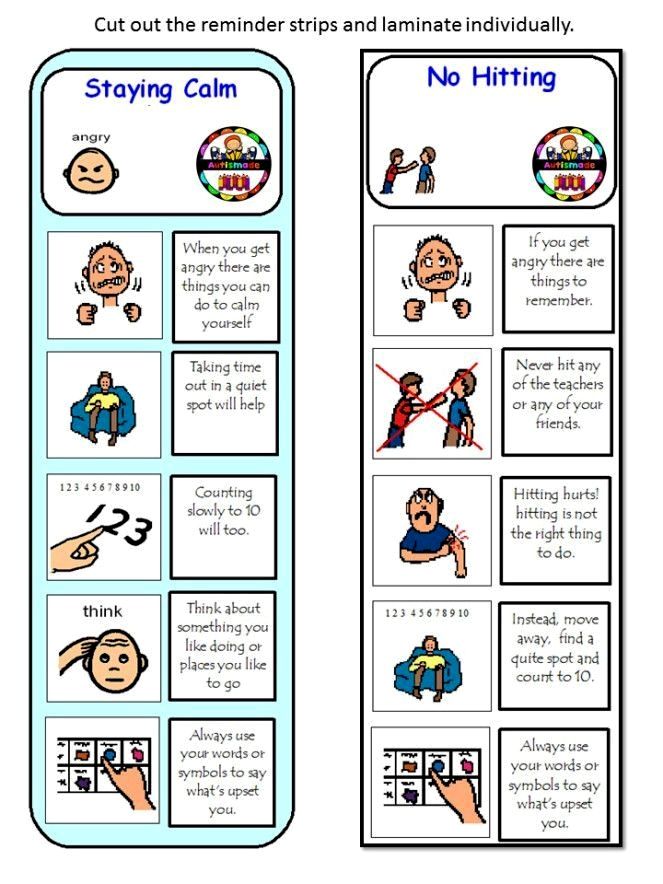
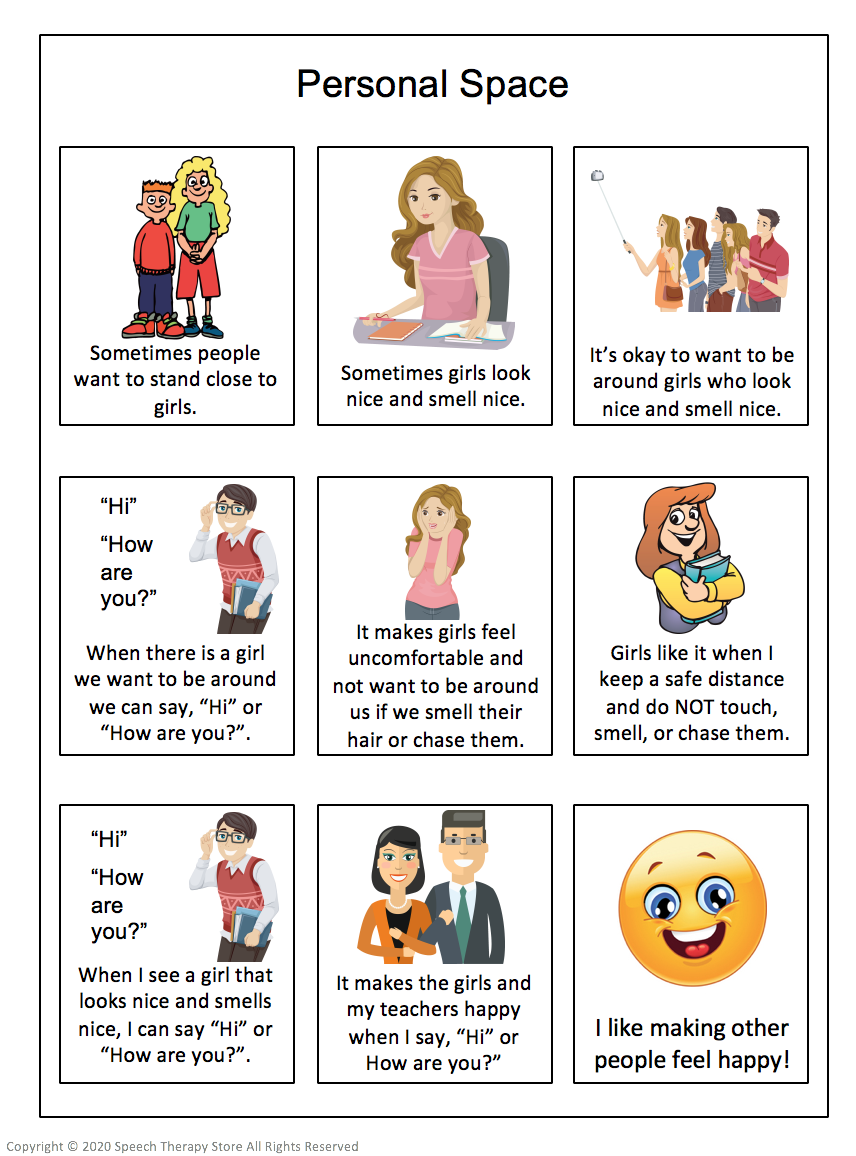
Incorporate visual elements to enhance comprehension. Many autistic individuals are visual learners, so pairing text with illustrations or photographs can make the story more engaging. For older readers, consider using comic-style panels to break down multi-step processes. Additionally, personalize the story by using the individual’s name and familiar settings, which increases relatability and emotional investment.
Before finalizing the story, review it with a critical eye. Does it address the individual’s specific needs? Are the sentences clear and unambiguous? Does it end with a positive, actionable takeaway? If the answer to any of these questions is no, revise accordingly. The goal is to create a story that feels like a supportive guide rather than a rigid set of rules.
Advanced Techniques: Elevating Stories for Complex Scenarios
For individuals facing nuanced social challenges, standard social stories may fall short. Advanced techniques can bridge this gap. One such method is the multi-step story, which breaks down complex interactions into manageable parts. For example, a story about “Having a Conversation” might include separate sections for initiating, maintaining, and ending a dialogue, each with its own set of descriptive and directive sentences.
Another technique is the interactive story, which invites the reader to participate actively. This could involve fill-in-the-blank sections, where the individual writes or draws their own responses, or role-playing exercises that bring the story to life. For teens or adults, meta-cognitive stories can be particularly effective. These narratives explore the “why” behind social rules, such as why it’s important to apologize or how to interpret facial expressions. By fostering deeper understanding, these stories encourage flexible thinking and self-advocacy.
Incorporating Social Stories into Daily Routines
Social stories are most effective when integrated into daily life. Start by introducing the story in a calm, distraction-free environment. Read it together, discussing each sentence and answering any questions. Over time, encourage the individual to refer to the story independently when faced with the described situation. For example, if the story is about “Waiting in Line,” the child can review it before entering a store or amusement park.
Consistency is key. Revisit the story regularly, especially before situations where the skill is likely to be tested. For instance, a story about “Joining a Group Activity” might be reviewed before a birthday party or school project. Additionally, pair the story with real-life practice. Role-playing or social scripts can reinforce the lessons, making the transition from story to action smoother.
For educators or therapists, social stories can be incorporated into lesson plans or therapy sessions. Use them as conversation starters, journal prompts, or even as part of a social skills curriculum. The more the story is woven into the individual’s routine, the more natural and impactful it becomes.
Measuring Success: Tracking Progress and Adjusting Stories
Like any tool, social stories require evaluation to ensure they’re meeting their intended goals. Track progress by observing changes in behavior, such as reduced anxiety in social situations or improved communication with peers. Keep a journal to note any challenges or breakthroughs, and adjust the story as needed. For example, if a child continues to struggle with a specific directive, consider revising the language or adding more visual aids.
It’s also important to gather feedback from the individual. Ask open-ended questions like, “What part of the story helps you the most?” or “Is there anything you’d like to change?” This collaborative approach ensures the story remains relevant and empowering. Remember, social stories are not static; they evolve alongside the reader’s needs and growth.
Autism and social stories share a symbiotic relationship, one that transforms abstract social landscapes into navigable terrain. By crafting custom tales that speak directly to an individual’s experiences, we offer more than just guidance—we provide a sense of control, understanding, and connection. Whether it’s a simple story about sharing a toy or a complex narrative about navigating workplace politics, the power of social stories lies in their ability to make the invisible rules of society visible. As you embark on this journey of writing and sharing these narratives, remember that each story is a step toward greater confidence, competence, and community. The tales you create today may well become the tools that empower someone to thrive tomorrow.