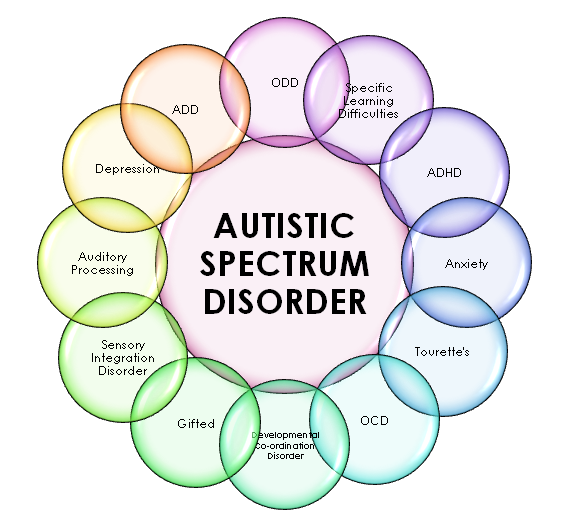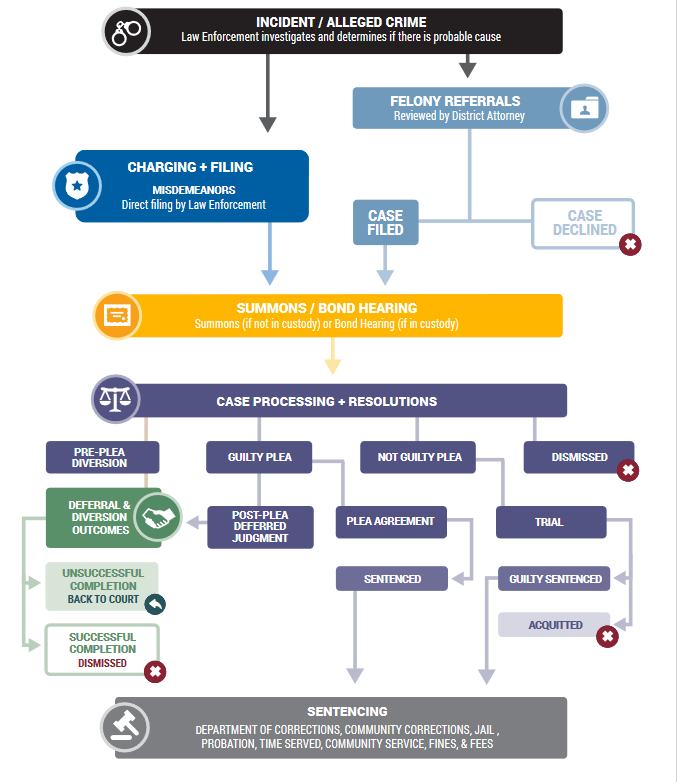
In contemporary society, the intersection of autism and the criminal justice system remains a fraught and often misunderstood domain. The current processes within the system frequently fail to accommodate the unique cognitive, communicative, and behavioral profiles of autistic individuals, resulting in disproportionate disadvantages and exacerbated injustices. The inherent complexities of autism spectrum disorder (ASD), juxtaposed against a rigid, standardized approach to law enforcement and adjudication, reveal systemic fissures that demand urgent scrutiny and reform.
The Under-recognition of Autism in Law Enforcement
One of the foremost challenges lies in the pervasive under-recognition of autism among individuals who encounter law enforcement. Traditional policing protocols rarely incorporate autism-informed training, leaving officers unequipped to discern behaviors symptomatic of ASD—such as atypical eye contact, repetitive movements, or unconventional communication styles. These behaviors can be misinterpreted as defiance, aggression, or non-compliance, prompting inappropriate and sometimes escalatory responses.

This gap in awareness perpetuates a cycle wherein autistic individuals are more likely to face arrest or punitive measures rather than receive de-escalation or supportive interventions. The ramifications are profound: it not only impedes the fair administration of justice but also compromises safety for both the individual and the officers involved.
Diagnostic Ambiguities and Their Legal Consequences
Autism’s heterogeneous presentation compounds juridical challenges. Without formal diagnosis or documentation, many autistic defendants proceed through the justice system unrecognized and misunderstood. Diagnostic ambiguities compound evidentiary complexity; behaviors that might signal ASD could be misread as malingering or psychopathy, further stigmatizing the individual.
Moreover, the criminal justice system is ill-prepared to integrate neurodevelopmental considerations within standard competency assessments or sentencing deliberations. Consequently, autistic individuals often endure penalties incongruent with their cognitive and social capacities, raising ethical questions about equity and proportionality in punishment.
Communication Barriers in Courtroom Settings
The courtroom environment, marked by its adversarial and performative nature, poses distinct obstacles for autistic individuals. Difficulty interpreting metaphors, managing eye contact, or modulating tone can unintentionally disadvantage defendants during testimony or cross-examination. The often rigid adherence to conventional communication paradigms marginalizes those whose expressive and receptive modalities diverge from neurotypical norms.
These barriers underscore the necessity for alternative accommodations such as simplified language, intermediary support personnel, or visual aids during proceedings. Without such adaptations, the conveyance and reception of critical information risk distortion, imperiling the integrity of judicial outcomes.

Inadequate Support and Rehabilitation Services
Post-adjudication, autistic individuals frequently encounter a dearth of tailored rehabilitation programs. Correctional facilities are predominantly designed with neurotypical populations in mind, overlooking the sensory sensitivities and social communication differences characteristic of autism. This oversight can exacerbate anxiety, promote behavioral escalation, and hinder reintegration efforts.
Furthermore, limited access to autism-specific mental health care and occupational therapies within incarceration settings perpetuates cycles of recidivism. Without targeted intervention, the potential for rehabilitation remains diminished, and the justice system inadvertently perpetuates marginalization rather than fostering recovery and societal reintegration.
The Imperative of Specialized Legal Advocacy
The labyrinthine nature of the criminal justice system demands representation that comprehends the nuances of autism. Legal advocates versed in neurodiverse defense strategies play a pivotal role in safeguarding the rights and dignity of autistic clients. Their expertise facilitates the articulation of pertinent mitigating factors, guiding judges and juries toward more informed and compassionate verdicts.
Specialized advocacy also encompasses the negotiation of appropriate accommodations and supports throughout the process, thereby attenuating procedural inequities. Such representation is indispensable in combating systemic prejudices and fostering an environment where neurodiversity is recognized as a fundamental aspect of justice.
Pathways Toward Systemic Reform
Addressing the fractured relationship between autism and the criminal justice system necessitates comprehensive reform. Integral to this is the implementation of mandatory autism awareness and intervention training for law enforcement personnel. Equipping officers with the skills to identify and respond sensitively to autistic behaviors can prevent misinterpretations and reduce confrontational incidents.
Legal standards must evolve to incorporate neurodevelopmental assessments expressly, ensuring that diagnoses inform due process and sentencing. Additionally, judicial policies should mandate accommodations that bridge communication divides within courtrooms and rehabilitative environments.

Equally crucial is the establishment of interdisciplinary collaborations involving psychologists, social workers, legal professionals, and autistic self-advocates to co-create protocols that honor both public safety and individual rights. Only through such holistic engagement can the justice system transcend its current inadequacies and embody true inclusivity.
In summation, the nexus of autism and the criminal justice system reveals a multitude of systemic shortcomings that jeopardize the fair treatment and well-being of autistic individuals. From initial law enforcement encounters to courtroom dynamics and post-sentencing rehabilitation, a lack of informed awareness and adaptive practices perpetuates an inequitable process. Constructive change hinges upon recognizing autism as a significant factor within legal contexts and embedding that recognition within every facet of judicial interaction. The pursuit of justice must not be constrained by neurotypical norms but expanded to embrace the rich diversity of human cognition and expression.