The rhythmic cadence of footsteps on a sun-baked track, the sharp crack of a starter’s pistol, the solitary figure pushing against the wind—track and field is the quintessential arena of individual triumph. For many athletes, it is a stage where personal limits are not just tested but redefined. Yet, for individuals on the autism spectrum, this sport can transcend mere competition; it becomes a sanctuary of structure, a canvas for precision, and a pathway to self-discovery. The relationship between autism and track and field is not merely coincidental; it is a testament to how individual sports can harness unique cognitive strengths to foster success.
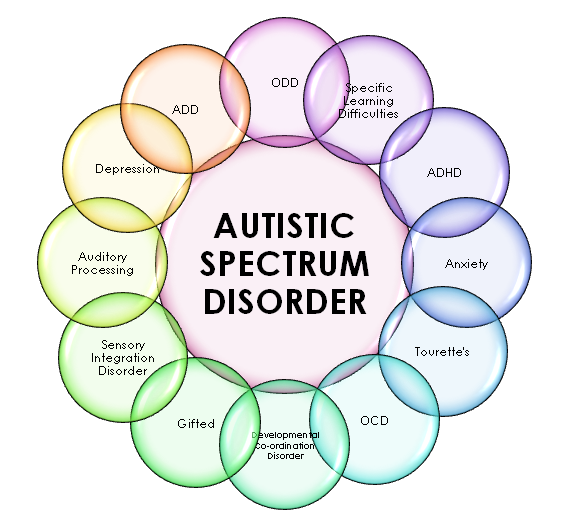
Autism Spectrum Disorder (ASD) is often characterized by challenges in social interaction and communication, alongside restricted and repetitive behaviors. However, these traits can also manifest as extraordinary focus, an affinity for routine, and an ability to perceive patterns with remarkable clarity—qualities that align seamlessly with the demands of track and field. The sport’s emphasis on measurable progress, clear rules, and individual performance provides a structured environment where autistic athletes can thrive. Unlike team sports, which may overwhelm with social nuances, track and field offers a solitary pursuit where success is dictated by personal effort and consistency.
The Allure of Precision: How Autistic Minds Excel in Track and Field
One of the most compelling aspects of track and field is its reliance on precision—an area where autistic individuals often exhibit a natural aptitude. The sport demands meticulous attention to technique, whether it’s the angle of a sprinter’s arm swing, the rhythm of a middle-distance runner’s stride, or the coordination required for a high jumper’s approach. For those with autism, who may hyperfocus on details, these technical nuances become not just important but absorbing. The ability to dissect movement into its constituent parts and refine each element is a skill that can elevate performance to extraordinary levels.
Consider the case of a long-distance runner who meticulously tracks their pace, heart rate, and breathing patterns. For an autistic athlete, this data-driven approach is not a chore but a source of comfort. The predictability of numbers and the absence of ambiguous social cues reduce anxiety, allowing the athlete to channel their energy into performance. This precision-oriented mindset is not limited to running; it extends to field events as well. A discus thrower, for example, may develop an almost obsessive relationship with the aerodynamics of their throw, analyzing angles and velocities with a level of detail that borders on the scientific. Such hyperfocus, often seen in autistic individuals, can lead to breakthroughs that defy conventional expectations.

The Rhythm of Routine: Structure as a Foundation for Success
Routine is the bedrock of both autism and track and field. For autistic individuals, predictability is not just preferred—it is essential. The sport’s inherent structure, from training schedules to competition formats, provides a framework that can mitigate the unpredictability of daily life. A runner who trains at the same time every day, follows a consistent warm-up routine, and adheres to a strict pre-race ritual experiences a sense of control that is often lacking in other areas. This consistency reduces stress and allows the athlete to perform at their best.
The importance of routine extends beyond the physical. Mental preparation is equally critical. Many autistic athletes benefit from visual schedules, checklists, and step-by-step breakdowns of their routines. A high jumper, for instance, might visualize each phase of their approach—acceleration, takeoff, bar clearance—before executing the jump. This mental rehearsal is not just a tool for improvement; it is a coping mechanism that fosters confidence. The track becomes a stage where repetition breeds mastery, and mastery breeds self-assurance.
Moreover, the individual nature of track and field eliminates the pressure of social performance that can accompany team sports. Autistic athletes are not burdened with deciphering unspoken cues or navigating the complexities of group dynamics. Instead, they can direct their energy toward refining their craft, free from the distractions of interpersonal interactions. This autonomy is empowering, allowing them to set their own pace and define their own benchmarks for success.
Overcoming Challenges: The Role of Coaching and Adaptation
While track and field offers a conducive environment for autistic athletes, success is not guaranteed without the right support. Coaches play a pivotal role in creating an inclusive and adaptive training environment. Traditional coaching methods, which often rely on verbal instruction and social reinforcement, may not resonate with autistic athletes. Instead, coaches who adopt a visual, structured, and patient approach can make a significant difference.
For example, a coach might use video analysis to demonstrate technique rather than relying solely on verbal cues. They might implement a token system to reward progress, providing tangible feedback that autistic athletes can easily understand. Additionally, coaches can collaborate with sports psychologists to develop coping strategies for managing performance anxiety, which can be particularly pronounced in high-pressure situations.
Adaptation extends beyond the coaching staff. Event organizers and fellow athletes also contribute to an inclusive environment. Small adjustments, such as providing quiet zones before competitions or allowing autistic athletes to warm up in a designated area, can alleviate sensory overload. When the broader track and field community embraces neurodiversity, it not only enhances the experience for autistic athletes but also enriches the sport as a whole.

Beyond the Track: The Broader Impact of Individual Sports
The benefits of track and field for autistic individuals extend far beyond the confines of the sport. The discipline, perseverance, and self-awareness cultivated on the track often translate into other areas of life. Athletes learn to set goals, track progress, and celebrate incremental achievements—a mindset that can be applied to academic pursuits, career aspirations, and personal growth.
Moreover, participation in track and field can foster a sense of belonging. While the sport is inherently individual, the track and field community is vast and diverse. Autistic athletes can find camaraderie among peers who share their passion, whether in training groups, clubs, or competitions. This sense of community is not built on forced socialization but on mutual respect and shared purpose. It is a space where differences are not just tolerated but celebrated.
The ripple effects of this empowerment are profound. Autistic athletes who excel in track and field often become advocates for neurodiversity, challenging stereotypes and inspiring others. Their stories serve as a reminder that success is not a one-size-fits-all concept. For some, it may lie in breaking world records; for others, it may be found in the quiet satisfaction of personal bests. What matters is that the journey is theirs to define.
The Future of Autism and Track and Field: A Path Forward
As awareness of neurodiversity grows, so too does the recognition of the unique strengths that autistic individuals bring to sports. Track and field, with its emphasis on individual achievement and structured environments, is poised to become a leader in inclusive athletic programming. Organizations are beginning to implement programs specifically designed for neurodiverse athletes, offering tailored coaching, adaptive equipment, and sensory-friendly training facilities.
The future also holds promise for technological advancements. Wearable devices that track biometric data can provide real-time feedback, helping autistic athletes refine their techniques with precision. Virtual reality training could offer immersive environments for mental rehearsal, reducing performance anxiety. These innovations, combined with a growing understanding of autism, can create a landscape where track and field becomes not just a sport but a transformative experience.
Yet, the most significant progress may come from a shift in perspective. Society often measures success in terms of social integration and conformity. Track and field, however, offers an alternative narrative—one where individuality is not just accepted but celebrated. Autistic athletes remind us that success is not about fitting into a mold but about carving out a path that aligns with one’s strengths. In this light, track and field is more than a sport; it is a metaphor for the power of individuality.
The track is a stage where every step, every jump, every throw is a testament to personal resilience. For autistic athletes, it is also a place of solace, structure, and self-discovery. In the solitude of the lane, they find not isolation but empowerment. And in the pursuit of their goals, they redefine what it means to succeed.