
Valentine’s Day, with its heart-shaped confections and saccharine declarations, often feels like a scripted performance where societal norms dictate the tempo of affection. For neurotypical individuals, the day may unfold as a seamless narrative—one where roses, chocolates, and grand gestures align with cultural expectations. But for autistic individuals, this script can feel like a foreign language, its nuances as elusive as the scent of a perfume they cannot name. The pressure to conform to these traditions can be overwhelming, transforming a day meant for celebration into one of exhaustion. Yet, what if Valentine’s Day could be reimagined—not as a day of performance, but as a day of authenticity? What if the focus shifted from societal expectations to personal resonance? This exploration seeks to dismantle the myths surrounding autism and Valentine’s Day, offering not just alternatives, but a radical redefinition of what love and connection can look like.
Imagine, for a moment, a world where Valentine’s Day is not a monolithic celebration of romantic love, but a mosaic of individual expressions—where the quietest acts of kindness are as valued as the loudest declarations. For autistic individuals, this world is not just a fantasy; it is a necessity. The traditional trappings of the holiday—from the pressure to exchange cards to the expectation of physical affection—can feel like a minefield of unspoken rules. Yet, within these challenges lie opportunities for creativity, for connection that is not performative but deeply personal. This article will delve into the complexities of autistic experiences during Valentine’s Day, the societal expectations that often clash with neurodivergent realities, and the pathways to a more inclusive celebration of love in all its forms.
The Myth of the Universal Valentine’s Day Experience
Valentine’s Day is often portrayed as a universal experience, a day where love is expressed in predictable, almost formulaic ways. Yet, this uniformity is a construct, one that overlooks the vast spectrum of human emotions and expressions. For autistic individuals, the day can feel like a puzzle with missing pieces—how does one navigate a holiday that prioritizes sensory overload, social scripts, and emotional labor? The answer lies not in forcing neurodivergent individuals to conform, but in challenging the very notion of what Valentine’s Day should entail.
Consider the sensory aspects of the holiday. The cloying scent of roses, the sticky texture of chocolate, the cacophony of crowded restaurants—these are not minor inconveniences for many autistic individuals; they are barriers to participation. The tactile discomfort of a hug, the overwhelming brightness of red and pink decorations, and the pressure to maintain eye contact during a conversation can turn a day meant for joy into one of distress. Yet, these sensory challenges are rarely acknowledged in the broader cultural narrative of Valentine’s Day. Instead, the holiday is framed as a day of indulgence, where sensory discomfort is dismissed as mere fussiness. This erasure of autistic experiences perpetuates a cycle of exclusion, where the holiday becomes yet another reminder of how the world is not designed with neurodivergent individuals in mind.
Moreover, the social expectations of Valentine’s Day are deeply entrenched. The pressure to express affection in specific ways—whether through grand romantic gestures or the exchange of cards—can feel like a performance. For autistic individuals who communicate differently, these expectations can be paralyzing. The act of writing a heartfelt card, for instance, may feel like an insurmountable task, not because of a lack of emotion, but because of the cognitive load required to translate feelings into socially acceptable language. Similarly, the expectation to reciprocate affection in a way that aligns with neurotypical norms can lead to feelings of inadequacy, as if one’s love is somehow less valid because it does not conform to the script.
Redefining Love: Beyond Romantic Scripts
What if Valentine’s Day were not about adhering to a romantic script, but about celebrating love in its myriad forms? For autistic individuals, this redefinition could be liberating. Love is not a monolith; it is a constellation of connections, each unique in its expression. A parent’s quiet pride in their child’s achievements, a friend’s steadfast loyalty, or even the deep bond between a person and their favorite hobby—these are all forms of love, yet they are rarely celebrated on Valentine’s Day.

The key to this redefinition lies in shifting the focus from societal expectations to personal resonance. For autistic individuals, love is often expressed through actions rather than words. A carefully curated playlist, a meticulously organized collection, or a shared interest in a niche topic can be profound acts of love. These expressions may not align with the traditional Valentine’s Day narrative, but they are no less valid. By embracing these alternative forms of connection, we can create a holiday that is inclusive, meaningful, and true to the diverse ways in which people experience love.
This shift in perspective also invites us to question the very notion of what constitutes a “romantic” relationship. For many autistic individuals, romantic relationships may not follow the neurotypical blueprint. They may prioritize deep, meaningful connections over superficial gestures, or they may find fulfillment in relationships that are not traditionally romantic. Valentine’s Day, then, becomes an opportunity to celebrate all forms of love—not just the ones that fit neatly into societal boxes. Whether it’s the bond between siblings, the camaraderie of friends, or the self-love that comes from honoring one’s own needs, love is not confined to a single day or a single expression.
Practical Alternatives: Crafting a Personalized Valentine’s Day
For those who find the traditional Valentine’s Day overwhelming, creating a personalized celebration can be a powerful act of self-advocacy. The first step is to identify what brings joy and comfort, and to design a day that aligns with those needs. This might mean opting for a quiet evening at home with a favorite movie, rather than braving the sensory overload of a crowded restaurant. It might mean exchanging gifts with close friends, rather than adhering to the pressure of romantic partnerships. Or it might mean using the day as an opportunity to engage in a special interest, whether that’s a deep dive into a beloved book series or a creative project that brings a sense of fulfillment.
Another alternative is to reframe the holiday as a day of service or giving back. For those who find joy in helping others, Valentine’s Day can be an opportunity to volunteer, donate to a cause, or simply perform small acts of kindness for those in need. This not only shifts the focus away from romantic expectations but also fosters a sense of connection and purpose. Acts of service can be a powerful way to express love, and they often resonate deeply with autistic individuals who may struggle with the performative aspects of traditional expressions of affection.
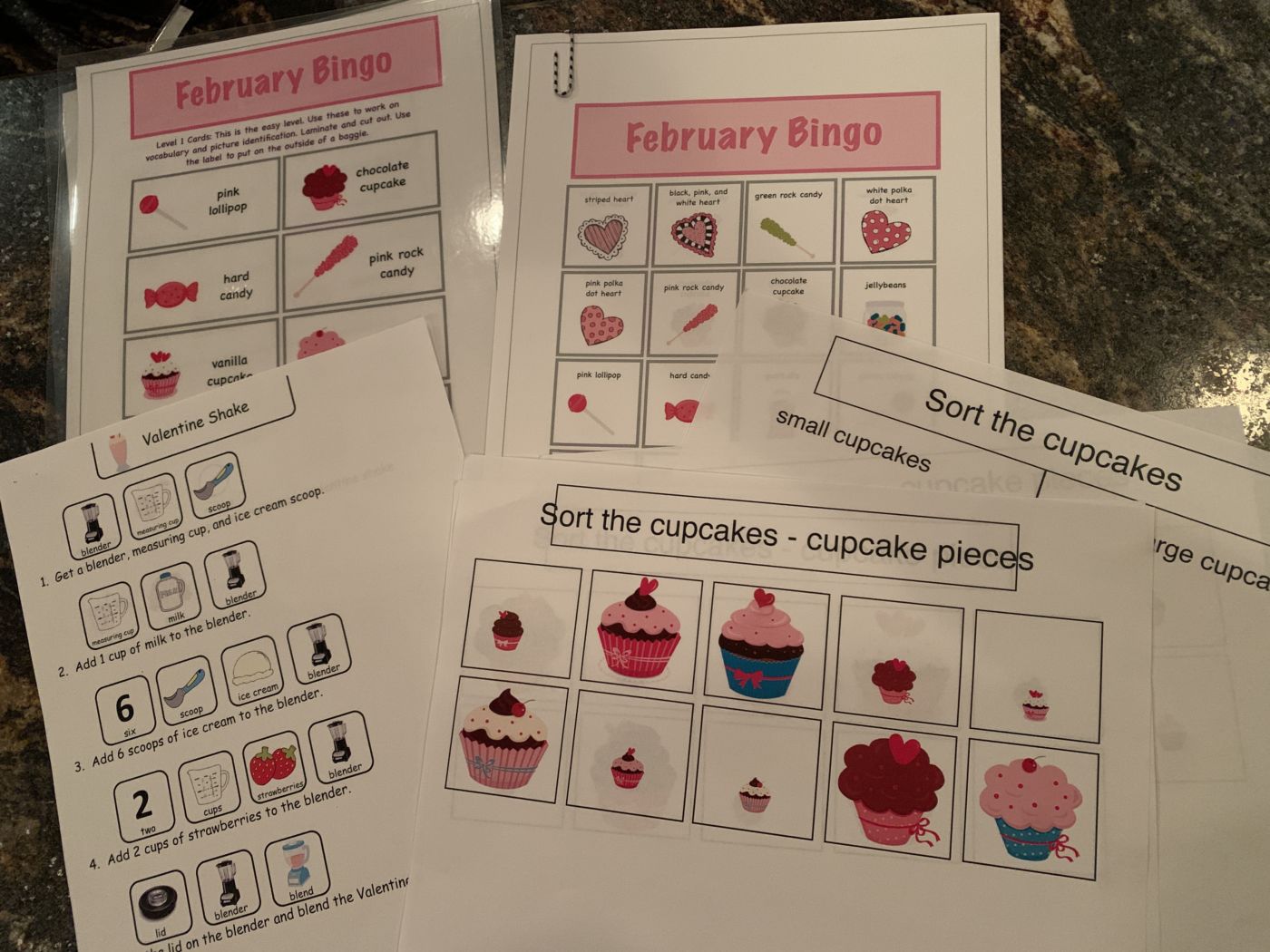
For those who do wish to participate in traditional Valentine’s Day activities, preparation and boundaries are key. This might mean planning ahead to avoid sensory triggers, such as choosing a quieter restaurant or bringing noise-canceling headphones to a social gathering. It might also mean setting clear boundaries with loved ones about what is and is not comfortable, whether that’s declining physical affection or opting out of certain social rituals. By taking control of the day, autistic individuals can reclaim Valentine’s Day as a day that is meaningful to them, rather than one that is dictated by external expectations.
Another practical alternative is to create new traditions that align with personal values and interests. This could be as simple as a themed movie night with favorite films, or as elaborate as a day dedicated to exploring a new hobby. The key is to make the day feel authentic and enjoyable, rather than obligatory. For some, this might mean celebrating love in all its forms by acknowledging the people and things that bring joy, whether that’s a pet, a favorite book, or a cherished memory. By centering the day around what truly matters, Valentine’s Day can become a celebration of individuality, rather than a test of conformity.
The Role of Society: Moving Toward Inclusivity
While personal alternatives are empowering, they are not enough to dismantle the systemic barriers that autistic individuals face during Valentine’s Day. True inclusivity requires a shift in societal attitudes, one that recognizes and respects the diverse ways in which people experience love and connection. This begins with education—challenging the myths and stereotypes that surround autism and Valentine’s Day, and fostering a culture that values authenticity over conformity.
Businesses and organizations can play a role in this shift by creating sensory-friendly environments for Valentine’s Day events. This might mean offering quiet hours at restaurants, providing noise-canceling headphones, or designing decorations that are less overwhelming. Schools and workplaces can also contribute by normalizing alternative celebrations, such as “Friendship Day” or “Kindness Day,” which allow for a broader range of expressions of love. By making these changes, we can create a world where Valentine’s Day is not a day of exclusion, but a day of celebration for all.
Moreover, society must move beyond the idea that love is a finite resource, reserved only for romantic partners. By celebrating all forms of love—familial, platonic, and self-love—we can create a more inclusive holiday that resonates with everyone. This means acknowledging that love is not a performance, but a deeply personal experience. It means recognizing that the quietest acts of kindness can be just as powerful as the loudest declarations. And it means creating a world where Valentine’s Day is not a day of pressure, but a day of joy, authenticity, and connection.
Embracing a New Narrative
The journey toward a more inclusive Valentine’s Day begins with a single step: the willingness to challenge the status quo. For autistic individuals, this means reclaiming the holiday as a day that is meaningful to them, rather than one that is dictated by external expectations. For society, it means creating a culture that values authenticity, diversity, and inclusion. By redefining love and connection, we can transform Valentine’s Day from a day of exclusion into a day of celebration for all.
Imagine a Valentine’s Day where the focus is not on grand gestures or performative affection, but on the quiet moments of connection that truly matter. Imagine a day where sensory needs are respected, where social scripts are optional, and where love is celebrated in all its forms. This is not a distant dream; it is a tangible reality, one that begins with each of us. By embracing a new narrative—one that prioritizes authenticity and inclusivity—we can create a Valentine’s Day that is not just tolerable for autistic individuals, but truly joyful.
The path forward is not without its challenges, but the rewards are immeasurable. A Valentine’s Day that is inclusive, meaningful, and true to the diverse ways in which people experience love is not just a possibility; it is a promise. And it begins with us.












