
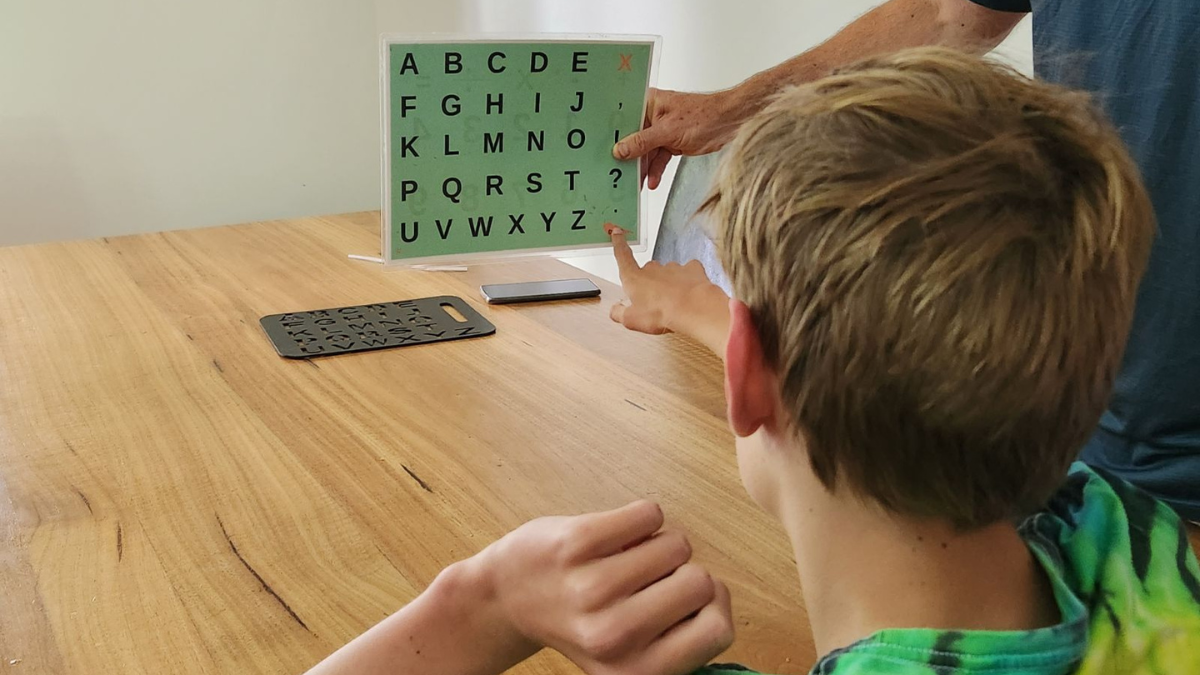
Autism and writing share a profound, almost symbiotic relationship—one where the written word becomes both a sanctuary and a megaphone. For many autistic individuals, storytelling isn’t merely a hobby; it’s a lifeline, a method of navigating a world that often feels overwhelmingly loud and chaotic. The act of writing offers a controlled environment where thoughts can be arranged with precision, emotions can be explored without interruption, and narratives can unfold in a rhythm that feels natural and safe. This unique intersection of autism and writing reveals why so many autistic people not only excel at storytelling but often redefine its very essence. From vivid world-building to unflinching emotional honesty, autistic writers bring a distinct perspective that captivates and challenges readers in equal measure.
What sets autistic writers apart is not just their talent but their approach. While neurotypical writers might rely on social intuition or conventional storytelling structures, autistic writers often embrace idiosyncratic styles that prioritize authenticity over adherence to norms. Their narratives frequently feature intricate details, unconventional perspectives, and a deep exploration of internal experiences that resonate with readers who feel similarly out of sync with the world. Whether through fiction, memoir, or hybrid forms, autistic writers craft stories that are as much about the act of creation as they are about the stories themselves. This article delves into the multifaceted ways autistic people excel at writing, exploring the genres they dominate, the stylistic quirks that define their work, and the profound impact their stories have on both literary landscapes and individual lives.
The Power of Hyper-Detailed World-Building in Fiction
One of the most striking hallmarks of autistic storytelling is the meticulous attention to detail, particularly in world-building. Autistic writers often construct fictional universes with an almost obsessive precision, populating them with layers of sensory data, cultural nuances, and logical consistency that ground the narrative in a tangible reality. This isn’t merely about creating a backdrop; it’s about fashioning an entire cosmos where every element serves a purpose, from the architecture of a city to the unspoken rules governing its inhabitants. For autistic writers, such detail isn’t a stylistic choice—it’s a necessity. The act of world-building provides a sense of order and control, allowing them to navigate the complexities of human interaction through the lens of their imagination.
Consider the works of autistic authors who specialize in speculative fiction or high fantasy. Their worlds are not just vivid; they are immersive in a way that feels almost tactile. Readers are transported not just to another place but to another way of perceiving reality. These writers often incorporate unconventional structures, such as non-linear timelines or fragmented narratives, to mirror the way their minds process information. The result is a reading experience that feels both alien and deeply familiar—a paradox that mirrors the autistic experience itself. For those who struggle with the unpredictability of social interactions, the predictability of a well-constructed world offers a rare sense of comfort and mastery.

Memoir as a Tool for Self-Discovery and Advocacy
Autistic writers frequently turn to memoir as a means of reclaiming their narratives, transforming personal struggles into powerful stories that challenge stereotypes and foster understanding. Unlike traditional autobiographies, which may follow a linear path, autistic memoirs often weave together fragmented memories, sensory experiences, and reflections on identity in a way that feels raw and unfiltered. This approach isn’t just stylistic; it’s a reflection of how autistic individuals process and recall their lives. Memories are not stored as neat, chronological events but as vivid impressions—sounds, textures, emotions—that resurface in unpredictable ways. Autistic memoirists harness this nonlinearity to create works that feel more like a mosaic than a timeline, inviting readers to experience their journey alongside them.
The themes explored in autistic memoirs are as varied as the writers themselves, but common threads include the search for belonging, the complexities of masking, and the reclaiming of agency in a world that often pathologizes difference. These works serve a dual purpose: they are both a form of catharsis for the author and a bridge to readers who may never have considered the autistic perspective. By sharing their stories, autistic memoirists dismantle misconceptions, replacing them with nuanced, humanized portrayals of life on the spectrum. The impact is profound, particularly for younger autistic readers who see themselves reflected in these pages for the first time.
Experimental and Hybrid Forms: Breaking the Mold of Traditional Storytelling
Autistic writers are often drawn to experimental and hybrid forms of storytelling, where the boundaries between fiction, poetry, and essay blur into something entirely new. This inclination stems from a desire to communicate in ways that feel authentic to their thought processes, which frequently resist rigid categorization. For some, this means crafting stories that incorporate visual elements, such as diagrams or illustrations, to convey meaning in ways that words alone cannot. For others, it involves blending genres—mixing memoir with speculative fiction, for example, to explore alternate realities of their own lives. These innovative approaches not only challenge conventional literary norms but also expand the possibilities of what storytelling can be.
One particularly compelling example is the rise of autistic writers who use interactive or multimedia formats to tell their stories. These works might include hypertext narratives, where readers click through different paths to uncover the story, or digital essays that combine text with audio and visual components. Such formats allow autistic writers to engage with their audience in ways that feel dynamic and participatory, rather than passive. The result is a reading experience that mirrors the way autistic minds often work—associative, interconnected, and constantly seeking new ways to make sense of the world. For readers, these experimental works offer a glimpse into a creative process that is as much about exploration as it is about expression.

Unflinching Emotional Honesty: The Raw Power of Autistic Narratives
Perhaps the most compelling aspect of autistic storytelling is its unflinching emotional honesty. Autistic writers often approach their subjects with a directness that feels both refreshing and disarming, unafraid to delve into the rawness of human experience without the filters that society often imposes. This honesty isn’t performative; it’s a natural extension of how autistic individuals process and communicate emotions. For autistic writers, writing becomes a way to articulate feelings that might otherwise remain unspoken, whether due to social anxiety, fear of judgment, or simply the difficulty of finding the right words in the moment. The result is a body of work that feels deeply personal, even when it tackles universal themes.
In fiction, this emotional honesty manifests as characters who are unapologetically themselves—flawed, complex, and often defying conventional expectations. These characters might struggle with sensory overload, communicate in ways that feel atypical, or navigate relationships with a level of vulnerability that feels both relatable and groundbreaking. In nonfiction, autistic writers tackle topics like mental health, neurodiversity, and identity with a clarity that cuts through the noise of societal stigma. Their words resonate because they are not softened by the need to conform; they are shaped by the need to be understood. For readers, this honesty fosters a sense of connection that transcends the page, creating a shared space where vulnerability is not just accepted but celebrated.
The Role of Writing in Autistic Self-Advocacy and Community Building
Writing has long been a vital tool for autistic self-advocacy, serving as both a platform for individual voices and a catalyst for collective action. Autistic writers have used their platforms to challenge stereotypes, demand representation, and push for systemic change in how society views neurodiversity. From essays that dismantle myths about autism to social media campaigns that amplify autistic voices, writing has become a powerful force in reshaping the narrative around neurodivergence. For many autistic writers, this work is not just about personal expression but about creating a legacy—a body of work that future generations can look to for guidance, inspiration, and validation.
The rise of online communities and digital publishing has further democratized this process, allowing autistic writers to bypass traditional gatekeepers and share their work directly with audiences. Platforms like blogs, Substack newsletters, and social media have become incubators for autistic storytelling, fostering a sense of belonging and mutual support among writers and readers alike. These spaces are not just about sharing stories; they are about building a movement. By centering autistic voices in the literary landscape, these writers are not only changing how the world sees autism but also how autistic individuals see themselves. Writing, in this context, becomes more than an art form—it becomes an act of resistance, resilience, and reclamation.
As the literary world continues to evolve, the contributions of autistic writers are becoming impossible to ignore. Their stories challenge us to rethink the boundaries of genre, the nature of empathy, and the very definition of what it means to communicate. In a society that often prioritizes speed and efficiency over depth and nuance, autistic writers remind us of the power of taking our time, of savoring the details, and of embracing the unconventional. Their work is a testament to the idea that the best stories are not those that conform to expectations but those that dare to defy them. For readers, engaging with these narratives is not just an act of consumption but an invitation to see the world through a new lens—one that is richer, more complex, and infinitely more human.












