Have you ever wondered why, despite decades of advocacy and awareness campaigns, certain misconceptions about autism continue to persist? In a world that increasingly values diversity and inclusion, why do outdated stereotypes about autism still cast long shadows? This conundrum invites a deeper exploration into the labyrinth of societal perceptions, the subtle biases that color our understanding, and the imperative to dismantle these fallacies with clarity and compassion.
The Entrenchment of Autism Stereotypes
Stereotypes surrounding autism often arise from a reductive interpretation of a complex neurodevelopmental condition. Autism spectrum disorder (ASD) encompasses a vast array of experiences, strengths, and challenges. However, public perception frequently distills this rich diversity into narrow caricatures. These simplifications can include the belief that all autistic individuals are intellectually disabled, socially disconnected, or emotionally detached. Such gross generalizations not only distort reality but also curtail opportunities for genuine engagement and acceptance.

Understanding how these stereotypes take root requires acknowledging the role media portrayals, anecdotal misunderstandings, and lack of comprehensive education play in perpetuating them. They establish a framework that marginalizes individuals, reducing their multifaceted identities to a monolithic label devoid of nuance.
The Pervasive Challenge of Social Misconceptions
One of the most insidious challenges lies in the social arena—misconceptions that erode interpersonal relationships and hinder authentic dialogue. People on the spectrum are often viewed through a lens tinted with preconceived notions about communication styles, emotional expression, and cognitive function. This skewed lens leads to alienation, with many autistic individuals facing undue assumptions about their intentions, abilities, and worth.
Consider the paradox: while society champions empathy, it often fails to extend it fully to those who communicate differently. Social models, when rigidly applied, create barriers rather than bridges. For example, the stereotype that autistic people lack empathy can dissuade others from investing the effort to understand them more deeply, perpetuating isolation and misunderstanding.
Unmasking the Diversity Within the Spectrum
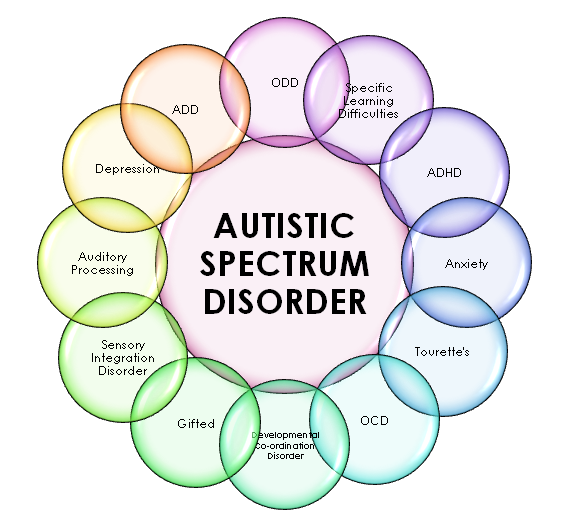
The phrase “spectrum” in autism spectrum disorder is not mere semantics—it is an emblem of neurodiversity, encompassing a kaleidoscope of traits and experiences. Some individuals may be nonverbal yet possess extraordinary talents in abstract reasoning or art. Others may excel academically but grapple with sensory sensitivities or social anxiety. The range of abilities and challenges is staggeringly broad, making it inappropriate to confine autism within rigid, stereotypical bounds.

By embracing this heterogeneity, society can foster environments that recognize and cultivate unique strengths rather than prescribing narrow definitions. It invites a movement away from a deficit-based perspective toward one that celebrates difference as an intrinsic aspect of human variation.
Impact of Stereotypes on Self-Perception and Identity
The external imposition of stereotypes can profoundly shape the self-perception and identity of autistic individuals. Internalizing these reductive views can lead to diminished self-esteem, reluctance to seek support, and a fractured sense of belonging. The psychological burden of contending with societal misconceptions cannot be overstated—it often manifests in increased anxiety, depression, and a reluctance to disclose one’s diagnosis.
Yet, many autistic people actively resist these imposed narratives through advocacy, storytelling, and community building. By sharing their authentic experiences, they challenge the monolithic and often negative portrayals, forging new paradigms of empowerment and acceptance.
Strategies to Dispel Stereotypes and Promote Awareness
Effective dispelling of autism stereotypes requires a multifaceted approach. Education must transcend superficial awareness campaigns to cultivate profound understanding. This encompasses integrating comprehensive autism education into curricula, professional training for educators and healthcare providers, and fostering inclusive workplaces.
Media narratives must evolve as well, shifting from tokenistic or sensationalist depictions to nuanced portrayals that reflect the lived realities of autistic individuals. Representation matters—not just in quantity but in depth and complexity.
Community engagement is equally critical. Encouraging dialogue that includes autistic voices at every level ensures that advocacy is authentic and respectful. Additionally, policy initiatives that protect rights and promote accessibility reinforce societal commitment to inclusion.

Ultimately, dispelling stereotypes is not merely about correcting misconceptions; it is about redefining the parameters of societal acceptance and equity.
The Road Ahead: Cultivating Neurodiversity and Inclusion
How can society transform from a culture of misconception to one of genuine inclusion? It hinges on embracing neurodiversity not as a challenge to overcome but as a vital component of human variation. This paradigm shift invites organizations, communities, and individuals to reconceptualize norms about communication, productivity, and relationships.
The promise of a truly inclusive society is one where autistic individuals are empowered to navigate life on their terms, contribute their talents fully, and thrive without the handicap of prejudice. Achieving this demands sustained effort, humility, and the willingness to confront discomfort in unlearning deep-seated biases.
In essence, advocating for autism awareness is an ongoing journey that requires vigilance against complacency and a commitment to continuous learning. Only by dismantling the walls of stereotype can authentic understanding and true inclusion flourish in their place.
In reconsidering our perceptions, challenging our assumptions, and broadening our empathy, we move closer to a world where every individual—regardless of neurotype—is valued for their unique humanity.