The journey toward an autism diagnosis in nonverbal children presents a distinct set of challenges and considerations. Unlike children who express themselves through speech, nonverbal children require specialized assessment approaches that capture the nuanced ways they communicate and interact with the world. Understanding what to expect during the diagnostic process empowers caregivers and professionals alike to navigate this journey with clarity and compassion.
The Complexity of Diagnosing Autism in Nonverbal Children
Nonverbal children—those who have limited or no spoken language—pose unique diagnostic complexities. Autism spectrum disorder (ASD) encompasses a broad range of characteristics, and in nonverbal children, traditional methods that rely heavily on verbal communication falter. To address this, the process integrates alternative communication assessments, behavioral observations, and developmental histories, offering a comprehensive lens through which clinicians discern the presence of autism.
It is essential to recognize that nonverbal status does not signify an absence of intelligence or understanding. Many nonverbal children manifest rich inner worlds and demonstrate sophisticated cognitive abilities. The diagnosis must therefore account for these subtleties rather than focus solely on speech limitations.
Initial Intake and Developmental History Review
The diagnostic voyage commences with an extensive intake session where caregivers are invited to detail the child’s developmental milestones, behavioral patterns, and social interactions. This history provides invaluable context, highlighting early signs such as lack of eye contact, repetitive behaviors, or unusual sensory responses.
Clinicians often probe for information regarding prenatal and perinatal factors, family history of developmental disorders, and the child’s progress in motor and social domains. Such data lays the groundwork for a nuanced understanding, guiding subsequent assessments.
Behavioral Observation and Standardized Testing
Observational assessment forms the cornerstone of identifying autism characteristics in nonverbal children. Qualified professionals employ tools such as the Autism Diagnostic Observation Schedule (ADOS), adapted to nonverbal individuals, to systematically evaluate social communication, play skills, and restricted interests.
These assessments are dynamic and interactive, designed to elicit specific responses without relying on verbal input. For example, a clinician might observe how a child engages with toys, reacts to social overtures, or manages changes in routine. The absence or presence of typical social reciprocity is a critical diagnostic marker.
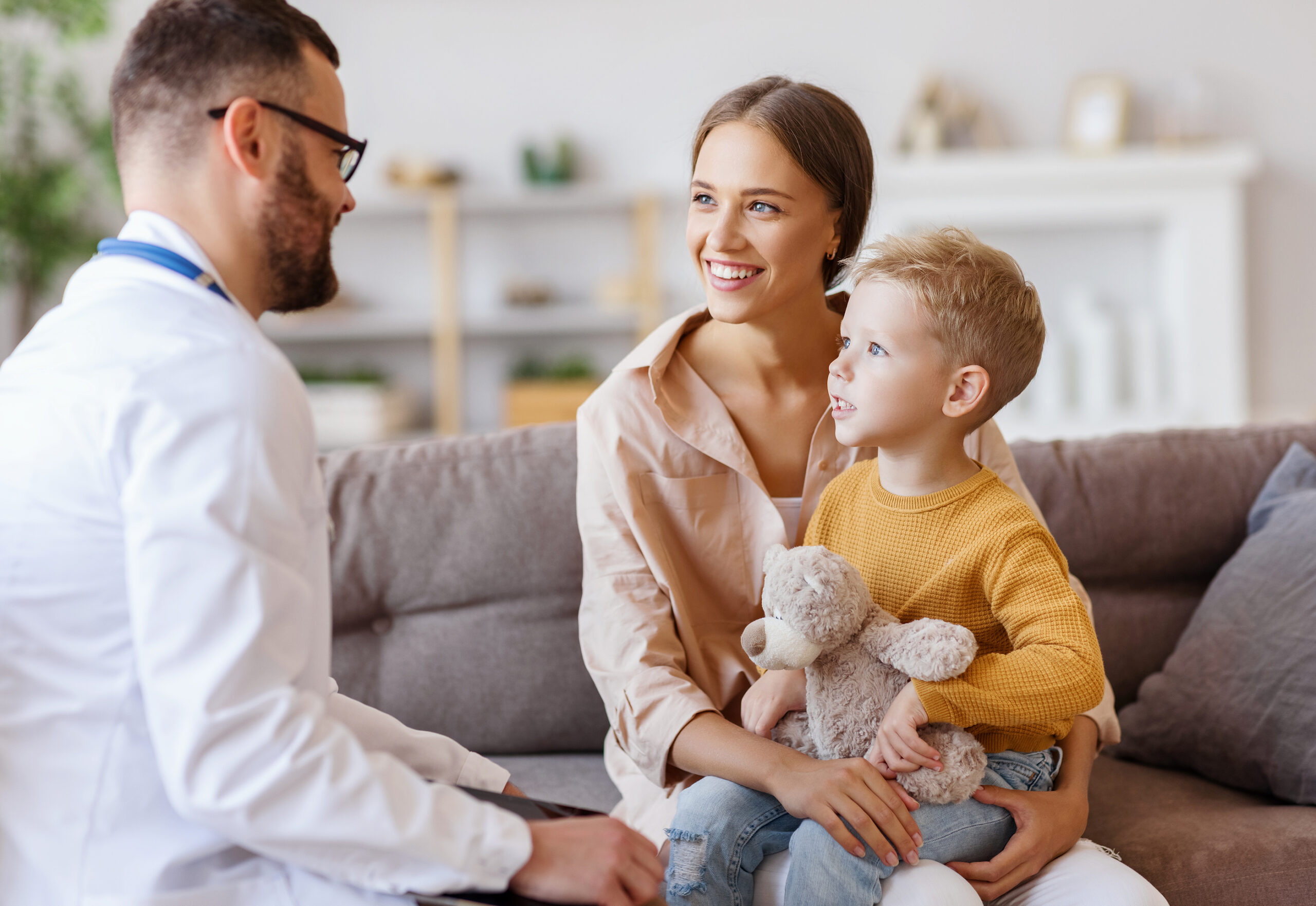
Additionally, cognitive and developmental evaluations measure learning capabilities and adaptive behaviors. Tests may be adapted to accommodate communication challenges, ensuring that assessments reflect true skill levels rather than speech deficiencies.
Communication Assessment Beyond Verbal Speech
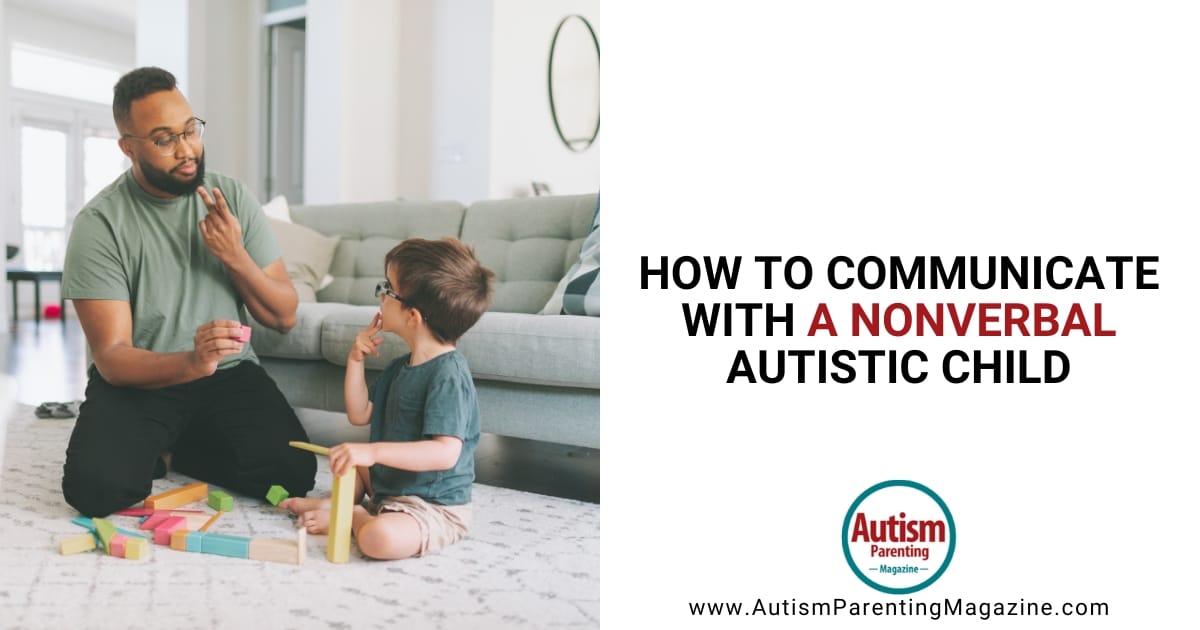
One of the most pivotal facets of diagnosing nonverbal autism is evaluating alternative modes of communication. Speech-language pathologists play an integral role here. They explore gestures, facial expressions, eye gaze, and use of augmentative and alternative communication (AAC) devices.
Experts may introduce picture exchange communication systems (PECS) or reliable eye-tracking devices to ascertain how the child communicates wants, needs, and emotions. These assessments reveal functional communication skills that are not verbal but are foundational for social interaction and learning.
Interdisciplinary Collaboration and Supplemental Evaluations
Due to the multifaceted nature of autism, particularly in nonverbal children, diagnosis often involves a team-based approach. Pediatricians, psychologists, speech therapists, occupational therapists, and special educators come together to provide a 360-degree perspective.
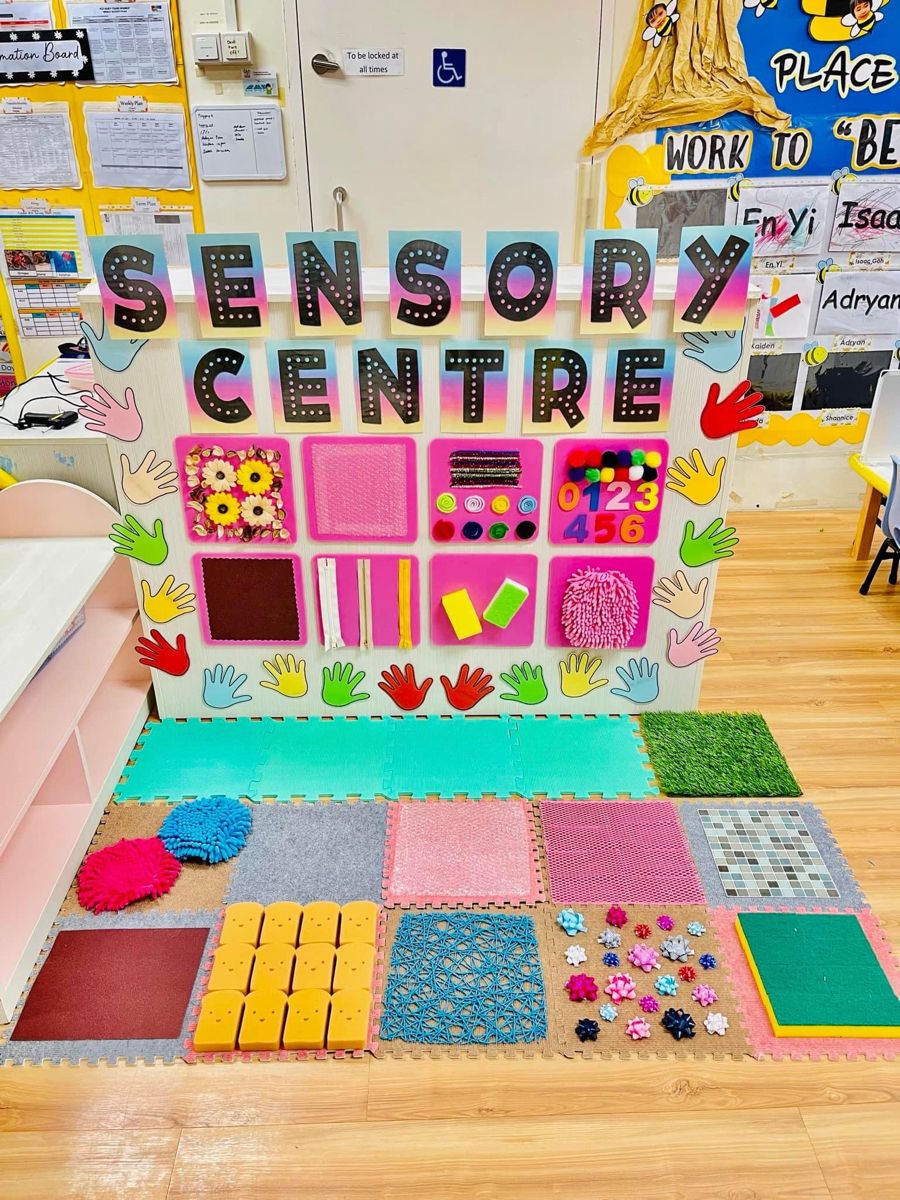
Sensory processing evaluations identify whether the child’s reactions to stimuli—such as sounds, textures, or light—contribute to behaviors seen during assessments. Likewise, medical evaluations rule out other causes for developmental delays, such as hearing impairments or neurological disorders.
Parent and Caregiver Involvement
Parents and caregivers are vital collaborators throughout the process. Their observations and insights often illuminate aspects of the child’s behavior not observable in clinical settings. Clinicians guide families to record behavioral patterns over several days, sometimes using video diaries to capture authentic interactions.
Moreover, families receive education on what the diagnosis entails and the spectrum of interventions available. This inclusion fosters a supportive environment, propelling early intervention and tailored treatment planning that is critical to optimizing developmental trajectories.
Post-Diagnosis: Understanding the Next Steps
Receiving an autism diagnosis, particularly in nonverbal children, initiates a continuum of care that extends beyond the clinical setting. Families can expect individualized intervention plans addressing communication, social skills, sensory integration, and behavioral challenges.
Interventions may include targeted speech therapy with AAC, applied behavior analysis (ABA), occupational therapy, and social skills groups. The diagnostic report serves as a detailed blueprint, aiding educators and therapists in adapting educational settings and curricula.
Embracing the Complexity with Patience and Hope
Autism diagnosis in nonverbal children is a meticulous, sometimes prolonged, process that demands patience and multifactorial analysis. The diversity within the spectrum underscores the necessity for personalized, compassion-driven approaches. While the path may seem daunting, each step brings invaluable insight that crystallizes pathways to support and empowerment.
Caregivers embarking on this journey are advised to remain engaged, seek multidisciplinary expertise, and embrace hope. An early and accurate diagnosis is a gateway to intervention services that can dramatically enhance communication abilities, social engagement, and overall quality of life.