Embarking on the journey to find the right autism therapist for a child is both a delicate and paramount responsibility for parents. With the intricacies of autism spectrum disorder (ASD) presenting unique challenges and opportunities for growth, selecting a therapist who aligns with a child’s specific needs can foster meaningful progress and a more harmonious family dynamic. The path to choosing an autism therapist involves understanding various therapeutic modalities, evaluating qualifications, and appraising compatibility with the child’s individual profile. This guide unfolds a comprehensive approach to empower parents navigating this critical decision.
Understanding the Spectrum of Therapeutic Approaches
The realm of autism therapy is diverse, encompassing clinical practices that target different facets of development such as communication, social interaction, behavioral regulation, and sensory integration. Among the most prevalent methodologies is Applied Behavior Analysis (ABA), a scientifically validated framework that leverages reinforcement strategies to promote adaptive behaviors and diminish maladaptive responses. While ABA has garnered much attention for its empirical support, it is essential to recognize alternative options that may resonate better with a child’s temperament.
Developmental and Relationship-based models, such as the Developmental, Individual difference, Relationship-based model (DIR/Floortime), emphasize emotional and relational growth, focusing on fostering empathy and engagement rather than strict behavior modification. Speech and language therapy, occupational therapy, and sensory integration therapy also play pivotal roles, often complementing core therapeutic interventions. Knowledge of these distinctions equips parents to discern which modalities best address their child’s unique constellation of needs.
Evaluating Professional Credentials and Experience
Therapist credentials are a cornerstone in assuring quality care. Board Certified Behavior Analysts (BCBAs), licensed speech-language pathologists, and occupational therapists with relevant ASD experience form the backbone of proficient autism support. Equally consequential is a therapist’s familiarity with evidence-based practices and continuing education in the rapidly evolving field of autism intervention.
Years of specialized experience can indicate a therapist’s adeptness at tailoring interventions to the spectrum’s multifaceted nature. Parents should inquire about a candidate’s caseload diversity, clinical supervision protocols, and outcomes with children exhibiting similar profiles. An adept therapist will readily provide references or case studies illustrating their efficacy and adaptability.
Prioritizing Child-Therapist Compatibility
The therapeutic alliance extends beyond clinical credentials to encompass the nuanced interplay of personalities, communication styles, and interpersonal rapport. A child’s comfort and trust towards the therapist significantly influence engagement and progress. Observing initial sessions or trial interactions can be invaluable in gauging this dynamic.
Parents should seek a practitioner who employs empathy, patience, and creativity, adapting techniques responsively rather than imposing rigid regimens. The mentor’s ability to connect on an emotional level, while balancing professional objectivity, often fosters the environment necessary for breakthroughs in social and communicative domains.

Assessing the Therapeutic Setting and Resources
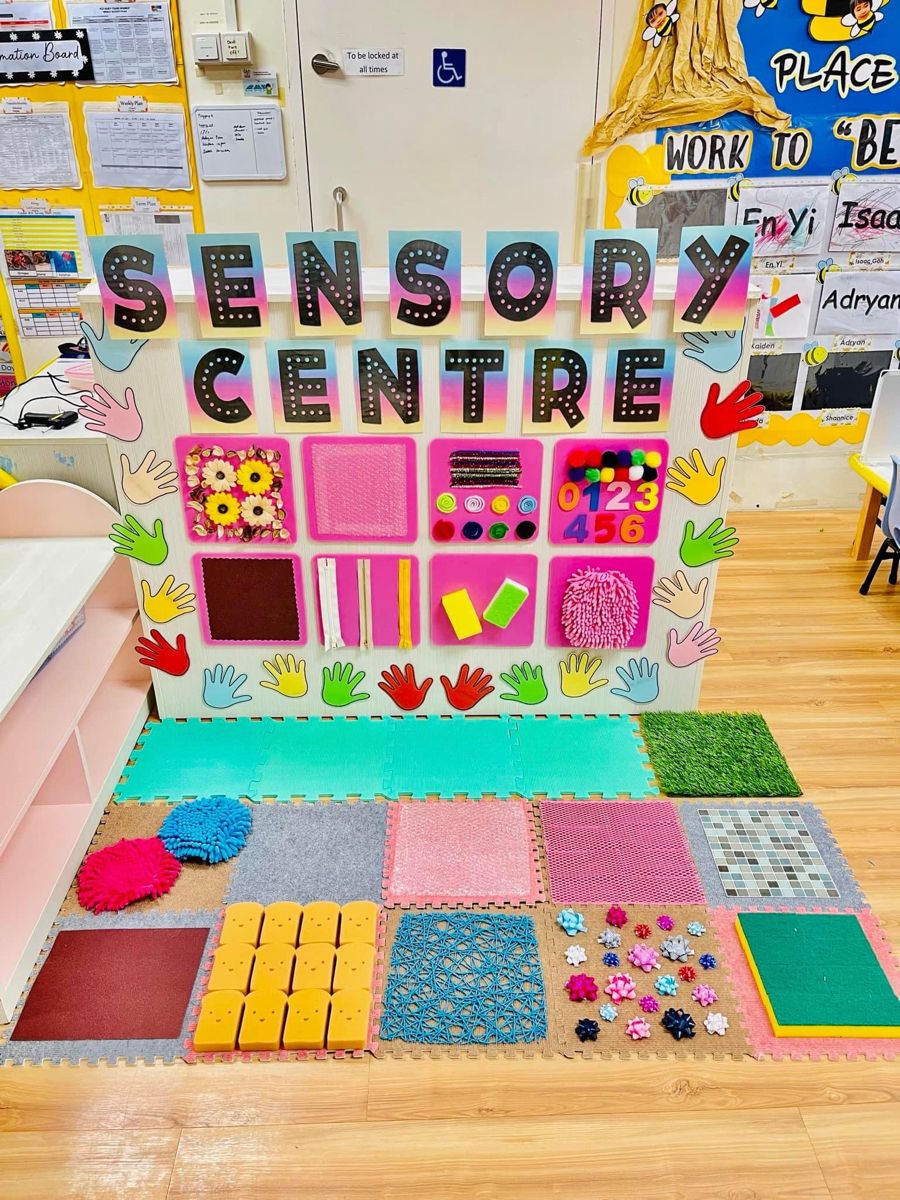
The environment in which therapy occurs can considerably impact a child’s receptivity and comfort level. Settings vary from clinical offices and specialized autism centers to in-home therapy sessions. Each context offers distinct advantages; clinical settings typically provide structured environments equipped with specialized materials, whereas in-home therapy facilitates generalization of skills within naturalistic surroundings.
Moreover, access to multidisciplinary teams that integrate psychology, speech therapy, and occupational therapy can exponentially enhance intervention outcomes. Parents should also evaluate the availability of technological tools or adaptive equipment that aid in sensory or communicative development.
Analyzing Communication and Collaboration with Parents
Intrinsic to successful therapeutic intervention is a collaborative partnership between parents and therapists. Transparent, ongoing communication ensures that treatment goals remain aligned with evolving developmental milestones and family dynamics. Therapists who encourage parental involvement through training sessions, progress reports, and shared decision-making foster empowerment and continuity beyond formal sessions.
Inquiring about the therapist’s approach to reporting progress and challenges establishes expectations. Equally important is the receptiveness of the therapist to parental insights, cultural considerations, and tailored accommodations that reflect the child’s broader ecosystem.
Financial Considerations and Accessibility
Therapy for autism often requires a long-term commitment, making financial sustainability an essential consideration. Parents should explore funding options including insurance coverage, governmental assistance programs, and nonprofit grants. Transparent conversations regarding fee structures, session frequency, and cancellation policies can prevent future burdensome surprises.
Accessibility also encompasses logistical elements such as location, session availability, and flexibility to accommodate family schedules. A therapy plan that integrates seamlessly into family life can alleviate stress and promote consistent engagement.

Anticipating the Therapeutic Journey Ahead
Parents must approach the selection process with realistic expectations and patience, recognizing that progress in autism therapy often unfolds incrementally rather than linearly. Regular reassessment of therapeutic goals and techniques is critical to accommodate the child’s developmental evolution.
Flexibility in therapeutic strategies, openness to integrating new modalities, and sustained advocacy for the child’s needs within educational and social systems further enhance the efficacy of intervention. Ultimately, selecting an autism therapist is not a one-time decision but an ongoing collaboration centered on the child’s holistic growth and well-being.
Choosing the right autism therapist is a multifaceted undertaking that balances scientific rigor, empathetic connection, and pragmatic considerations. By delving deeply into therapeutic approaches, credentials, environment, collaboration, and logistics, parents position themselves as informed advocates for their children’s futures. This thoughtful, measured process lays the foundation for meaningful developmental strides and enriched family harmony, charting a course toward a hopeful, empowered tomorrow.