

In the intricate tapestry of childhood development, Autism Spectrum Disorder (ASD) emerges as a multifaceted condition, intertwining behavioral and developmental nuances that often elude straightforward interpretation. Delving beneath the surface reveals a complex interplay of clues that challenge conventional perspectives, inviting both caregivers and professionals to rethink traditional paradigms. This exploration offers an invitation to uncover the subtleties that define autism in children—a journey marked by discovery, empathy, and evolving understanding.
The Evolutionary Spectrum: Beyond Conventional Boundaries
Autism is no longer viewed as a narrow diagnosis confined to rigid characteristics. Instead, it is recognized as a spectrum embracing an expanse of behavioral manifestations and developmental trajectories. This shift invites an expansive viewpoint, acknowledging the diversity within autistic presentations. Children on this spectrum may exhibit a myriad of behaviors that defy common expectations, from atypical social engagement to unique sensory perceptions.
Understanding autism demands more than identifying difficulties; it requires appreciating neurodiversity—the inherent variation in human brain wiring. This reframing encourages an acceptance that distinctive behavioral patterns and developmental timelines are not deficits but alternative ways of experiencing and interacting with the world.
Early Behavioral Indicators: Decoding Silent Messages
The earliest clues to autism often lie in subtle behavioral cues that might be overlooked or misinterpreted. Atypical eye contact, limited use of gestures, or an unusual fixation on objects can signal a divergence from typical developmental pathways. Rather than dismissing these as mere quirks, recognizing their significance can guide timely interventions.
Beyond these external signs, more nuanced behaviors emerge: repetitive movements or routines, resistance to change, and distinctive responses to sensory stimuli. These patterns are not merely symptomatic; they are communicative acts that reflect how the child perceives and organizes their sensory environment. Understanding these behaviors as a language in themselves reshapes the approach to diagnosis and care.

Developmental Milestones Through a New Lens
Traditional developmental milestones provide a framework for evaluating progress, yet children with autism often traverse these markers differently. Language acquisition might be delayed or idiosyncratic, with some children demonstrating an advanced vocabulary but difficulty in pragmatic communication. Others may exhibit delays in motor skills, social interaction, or cognitive flexibility.
It is crucial to perceive these variations not merely as lagging behind but as alternative developmental pathways. Such an understanding fosters patience and tailored support strategies. Additionally, recognizing the coexistence of developmental delays and autistic traits helps differentiate autism from other conditions while clarifying overlapping features.
Naturalistic Developmental Behavioral Interventions: Cultivating Potential
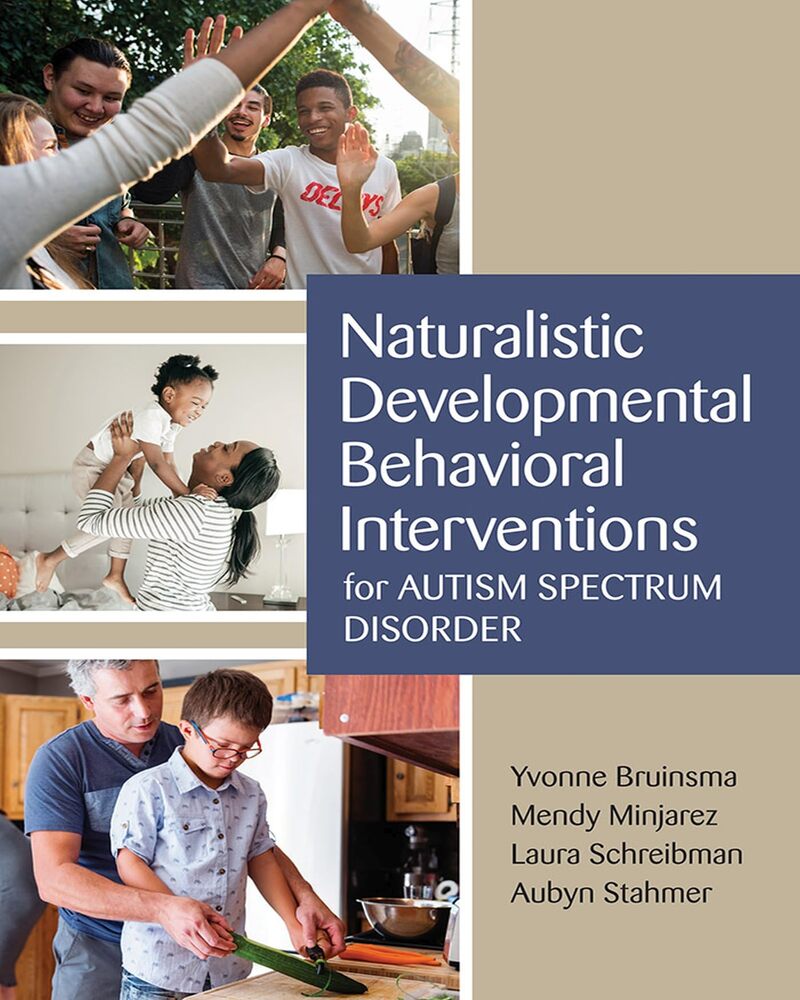
Modern intervention paradigms emphasize naturalistic developmental behavioral interventions (NDBI), which integrate behavioral techniques with developmental principles in everyday settings. These interventions eschew rigidity, instead nurturing skills within the context of the child’s environment, promoting generalization and adaptive functioning.
NDBI focuses on enhancing communication, social engagement, and flexibility through child-led interactions. By harnessing intrinsic motivation and reinforcing spontaneous behaviors, this approach addresses core challenges while respecting the child’s individuality.
The Delicate Intersection: Autism Versus Developmental Delay
One of the most perplexing challenges lies in disentangling autism from developmental delays, as the two often coexist or mimic each other’s presentations. Delayed speech, social withdrawal, and motor difficulties can all surface in either condition, complicating diagnostic clarity.
A nuanced understanding requires comprehensive assessment encompassing cognitive, behavioral, and adaptive functioning domains. Recognizing the distinct but overlapping contours of autism and developmental delay facilitates more accurate diagnosis and individualized planning. Avoiding premature conclusions prevents mislabeling and ensures that children receive appropriate support tailored to their unique profiles.

The Invisible Threads of Sensory Processing
Autism’s behavioral manifestations are often intertwined with sensory processing differences, which can profoundly influence a child’s interactions and comfort. Hypersensitivity or hyposensitivity to sound, touch, light, or movement may lead to behaviors that are misunderstood as defiant or inattentive.
Awareness of sensory profiles expands the interpretive framework, allowing caregivers to distinguish between willful behavior and sensory-driven responses. Tailoring environments and routines to accommodate sensory needs can significantly enhance participation and reduce distress.
Promising Horizons: Shifting Perspectives and Embracing Complexity
The journey to understanding autism challenges preconceived notions, urging a paradigm shift that champions inclusivity and complexity. Rather than framing autism solely by deficits or delays, this perspective celebrates the distinctive cognitive and behavioral landscapes each child inhabits.
Recognizing behavioral and developmental clues as integral pieces of a larger mosaic fosters empathy and refines intervention approaches. Importantly, it piques curiosity—inviting continuous learning and adaptation on the part of families, educators, and clinicians alike.
In embracing this evolving perspective, society moves closer to not only accommodating differences but appreciating them. The narrative of autism in children becomes less about overcoming challenges and more about amplifying potential, enriching the collective human experience through diversity of thought, behavior, and development.












