Is autism genetic, or does the mystery of its origins lie elsewhere? This question continuously captivates scientists, clinicians, and families alike, presenting a complex puzzle that challenges conventional understanding. Autism Spectrum Disorder (ASD) is characterized by a broad range of neurodevelopmental differences, affecting communication, social interaction, and behavior. But what lies beneath these observable traits? Is it a tale strictly written in our DNA, or do environmental epiphenomena blur the narrative? This article embarks on an explorative journey through the evidence that delves deep into the role genetics play in autism, illuminating the intricate molecular tapestry that suggests both predisposition and complexity.
The Genetic Architecture of Autism
Genetics is often seen as the blueprint of life, inscribed within the helical strands of DNA that guide human development. For autism, research suggests that this blueprint carries certain cryptic instructions that may increase susceptibility. Large-scale studies involving twins have consistently demonstrated a high heritability index for autism, implying genes carry substantial weight in determining risk. Identical twins, sharing nearly a 100% genetic overlap, show notably higher concordance rates for ASD compared to fraternal twins, emphasizing a fundamental genetic underpinning.
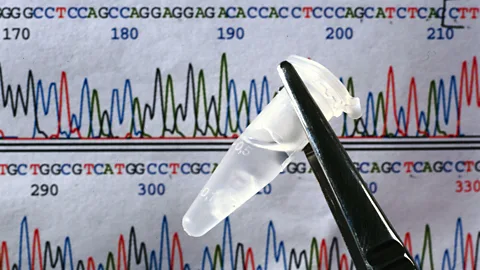
However, autism’s genetic architecture is not monolithic. Instead, it reflects a kaleidoscope of rare de novo mutations alongside more common inherited variants. These genetic anomalies may perturb crucial neurological pathways, including synaptic function and brain connectivity. The concept of “polygenic risk” illustrates how a myriad of small genetic variations cumulatively influence susceptibility, thereby painting a more nuanced genetic portrait rather than a deterministic script.
Beyond Single-Gene Explanations: Complexity and Overlap
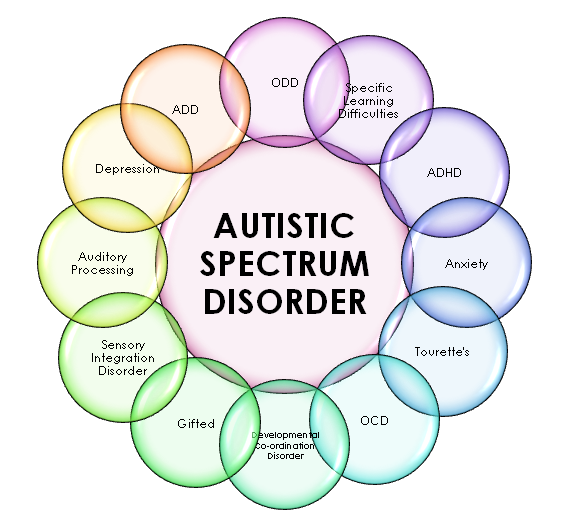
Unlike many Mendelian disorders, autism eludes explanation by single-gene mutations alone. Several dozen candidate genes have been identified that contribute to ASD, yet no single gene mutation accounts for more than a few percent of cases. This genetic multiplicity complicates diagnosis and therapeutic strategies, underscoring a multifactorial etiology. Moreover, some of these genes intersect with pathways implicated in other neurodevelopmental conditions, such as Tourette’s syndrome.

This overlap suggests that genes involved in neural circuitry may produce different phenotypic outcomes dependent on additional genetic or environmental factors. Such pleiotropy challenges the simplistic causality model, pushing the scientific community towards systems biology approaches that integrate genomics, epigenomics, and environmental modifiers.
Epigenetics and Environmental Interactions
While genetic predisposition lays the groundwork, it does not operate in isolation. Epigenetics, the study of heritable changes in gene expression without alteration in the DNA sequence itself, has burgeoned as a critical field in autism research. Epigenetic modifications can be influenced by prenatal exposures, maternal health, and environmental toxins, signaling that nature interweaves with nurture in unexpected ways.
This interplay adds a compelling dimension: identical genetic code can express differently depending on environmental contexts. Studies of prenatal factors, such as maternal infection, stress, or exposure to chemicals, show correlations with increased ASD risk. These external influences may modify gene expression through mechanisms like DNA methylation or histone modification, thereby fine-tuning neurodevelopmental trajectories.
The Promise and Challenge of Genetic Testing
The rapid evolution in genetic technologies promises to unravel the genomic mysteries at the core of autism. Chromosomal microarray analysis and whole-exome sequencing have begun to uncover clinically significant mutations in a subset of individuals with ASD. Genetic testing can provide critical insight for families, offering explanations, guiding management, and revealing associated medical concerns.
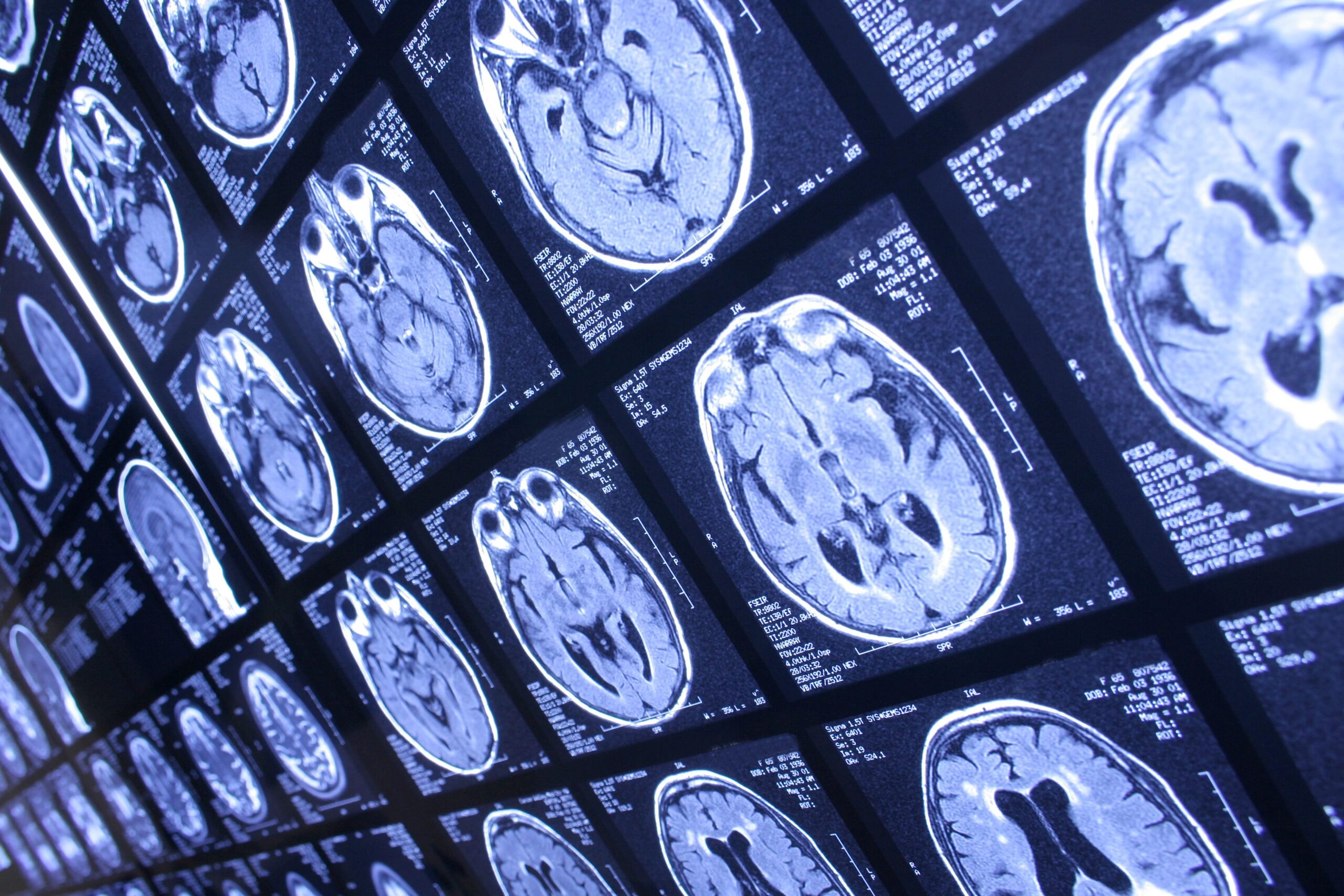
Nevertheless, the genetic heterogeneity demands cautious interpretation. Many discovered variants are classified as variants of uncertain significance, leaving ambiguity unresolved. Moreover, a negative genetic test does not exclude autism, reflecting the inherent complexity in translating genetic data to clinical practice. As research advances, robust genotype-phenotype databases and enhanced bioinformatics will improve the predictive utility of genetic information.
Future Directions: Toward a Precision Medicine Approach
Looking ahead, autism research is pivoting towards a precision medicine paradigm that integrates genetic, epigenetic, and environmental data. This multidimensional approach aspires to classify ASD into biologically meaningful subtypes, each with tailored therapeutic strategies and prognostic implications. Such stratification could revolutionize intervention design, moving beyond a one-size-fits-all model.
The integration of cutting-edge technologies like CRISPR gene editing and induced pluripotent stem cells offers promising avenues to model genetic variants and potentially rectify pathogenic mutations. Meanwhile, continued epidemiological research aims to dissect the intricate gene-environment nexus, seeking preventive insights as well as novel treatment targets.
In conclusion, the question of whether autism is genetic invites a profound exploration into the complexities of human neurodevelopment. While genetics indeed plays a pivotal role, it is only one thread in an elaborate tapestry woven with environmental factors, epigenetic mechanisms, and stochastic influences. The quest to decipher autism’s origins underscores the beauty and intricacy of biology itself—a dance between nature and nurture that continues to challenge and inspire the scientific endeavor.