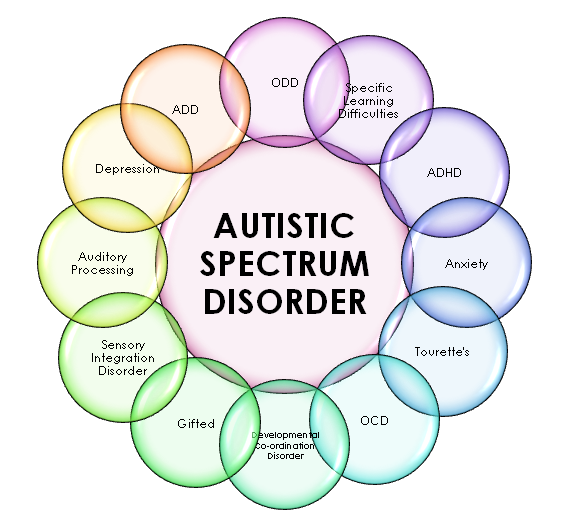
Have you ever wondered what it’s like to walk a mile in the shoes of someone whose mind perceives the world in a rhythm all its own? Autism, a neurodevelopmental tapestry woven with threads of difference, challenges our collective understanding of human cognition. Yet, through the lens of documentary filmmaking, these very differences become portals to empathy, education, and inspiration. What if the most profound insights into autism weren’t found in textbooks, but in the unscripted moments of real lives unfolding on screen? Films and documentaries about autism do more than entertain—they dismantle stereotypes, celebrate neurodiversity, and invite us into stories that reshape how we see the world and ourselves.
Imagine sitting in a dimly lit theater, the hum of anticipation filling the air as the screen flickers to life. The film begins not with a grand declaration, but with a quiet observation: a child spinning in circles, lost in a world of sensory delight. Or perhaps it’s an adult, speaking in measured tones about the invisible barriers that separate them from a society wired for neurotypical norms. These are not mere visuals; they are invitations to witness the extraordinary within the ordinary. Documentaries about autism transcend the boundaries of traditional storytelling, offering a kaleidoscope of perspectives that challenge, enlighten, and sometimes even unsettle. They are the bridge between the known and the unknown, the familiar and the alien, the accepted and the questioned.
The Power of Visual Storytelling: Why Documentaries Matter
In an era dominated by bite-sized content and algorithm-driven feeds, documentaries stand as bastions of depth and nuance. They are not constrained by the need for viral moments or clickbait headlines. Instead, they embrace the slow burn of human connection, allowing stories to unfold with the patience of a seasoned gardener tending to delicate blooms. Autism documentaries, in particular, wield this power with precision, using visual and auditory storytelling to convey experiences that words alone often fail to capture.
Consider the way a documentary might linger on the flicker of a fluorescent light, a sound that for many neurotypical viewers is unremarkable, but for someone with autism, is a source of overwhelming distress. Or how it might capture the subtle, fleeting expressions of an individual struggling to articulate their emotions, their face a canvas of unspoken complexity. These are not just cinematic techniques; they are tools of empathy, designed to immerse the viewer in a sensory and emotional landscape that is both foreign and familiar. Through close-ups, ambient sounds, and unobtrusive narration, documentaries dismantle the barriers of abstraction, replacing them with visceral, lived experience.
Moreover, these films often serve as a counterpoint to the sensationalism that surrounds autism in mainstream media. They move beyond the tropes of either tragic victimhood or inspirational heroism, instead presenting a mosaic of real lives—each with its own struggles, triumphs, and idiosyncrasies. In doing so, they challenge audiences to confront their own biases and preconceptions, fostering a more inclusive and compassionate worldview.

Breaking Stereotypes: Films That Redefine Autism
For decades, autism was shrouded in misconceptions—portrayed as a monolithic condition defined by social withdrawal, intellectual disability, or savant-like genius. Documentaries have played a pivotal role in shattering these stereotypes, revealing the vast spectrum of experiences that fall under the autism umbrella. Films like Life, Animated and Temple Grandin are prime examples of how storytelling can dismantle myths and illuminate truths.
Life, Animated follows Owen Suskind, a young man with autism whose life is transformed by his love for Disney animated films. Through these stories, Owen finds a language to express his emotions and navigate the complexities of adolescence. The documentary masterfully juxtaposes Owen’s journey with the animated sequences he relates to, creating a visual and emotional tapestry that underscores the power of art as a bridge to understanding. It’s a testament to how creativity can become a lifeline for those who struggle to articulate their inner worlds.
Temple Grandin, on the other hand, is a biographical deep dive into the life of one of autism’s most prominent advocates. The film explores Grandin’s childhood struggles, her groundbreaking work in animal science, and her unwavering commitment to improving the lives of individuals with autism. Through her eyes, we see the world not as a place of limitation, but as a landscape of opportunity—one where different ways of thinking are not deficits, but assets. These films don’t just educate; they redefine what it means to live with autism, urging viewers to see beyond the label and into the heart of the individual.
The Challenge of Representation: Whose Story Is Being Told?
Yet, for all their strengths, autism documentaries are not without their challenges. One of the most pressing questions they face is the issue of representation: who gets to tell these stories, and whose voices are amplified? The autism community is not a monolith, and the experiences of a nonverbal child, a high-functioning adult, or a parent advocating for their child are vastly different. When documentaries prioritize certain narratives over others, they risk perpetuating a narrow, often skewed, portrayal of autism.
Consider the ethical dilemma of a filmmaker choosing to focus on a child’s meltdowns without delving into the underlying causes—sensory overload, communication barriers, or unmet needs. Such portrayals, while well-intentioned, can inadvertently reinforce the idea that autism is synonymous with chaos or tragedy. Conversely, films that center the voices of autistic individuals themselves—such as Autism in Love or Defiant—offer a more authentic and empowering perspective. These documentaries prioritize agency, allowing autistic individuals to share their stories on their own terms, free from the filter of external interpretation.
The challenge, then, is to create films that are not just about autism, but are made in collaboration with the autism community. This means involving autistic individuals in the creative process, from scripting to editing, ensuring that their experiences are portrayed with dignity, accuracy, and respect. It also means embracing the full spectrum of autism, from those who are nonverbal to those who are high-support needs, without reducing their stories to mere tropes or inspirational anecdotes.

Sensory Immersion: How Filmmaking Techniques Mirror Autistic Experiences
Documentaries about autism often employ innovative filmmaking techniques to convey the sensory and cognitive experiences of their subjects. These techniques are not merely stylistic choices; they are bridges that connect the viewer to a world that is often inaccessible to neurotypical minds. For instance, some documentaries use rapid cuts, distorted soundscapes, or disorienting camera angles to simulate the sensory overload that many autistic individuals experience in overwhelming environments.
Others take a more subtle approach, using slow motion to capture the nuances of facial expressions or body language that might otherwise go unnoticed. This technique allows viewers to appreciate the complexity of autistic communication, where meaning is often conveyed through subtle cues rather than overt gestures. By immersing the audience in these sensory and emotional landscapes, documentaries foster a deeper understanding of autism, transforming abstract concepts into tangible, relatable experiences.
One particularly striking example is the documentary In My Mind, which explores the inner world of a young autistic man named James. The film employs a mix of live-action footage, animation, and first-person narration to convey James’s thoughts and feelings in a way that is both poetic and profound. The result is a cinematic experience that feels like stepping into another person’s mind—a rare and invaluable opportunity for empathy and connection.
The Ripple Effect: How Documentaries Spark Change
The impact of autism documentaries extends far beyond the screen. These films have the power to influence policy, shape public opinion, and inspire grassroots movements. For instance, Loving Lampposts, a documentary that explores the experiences of autistic individuals and their families, has been used as a tool for advocacy in schools and workplaces, prompting conversations about inclusion and accessibility. Similarly, The Reason I Jump, based on the bestselling book by Naoki Higashida, has been screened in classrooms and community centers worldwide, sparking discussions about neurodiversity and the importance of listening to autistic voices.
Documentaries also play a crucial role in challenging systemic barriers. By shining a spotlight on the struggles of autistic individuals—whether in healthcare, education, or employment—they compel viewers to confront the realities of a world that is not always designed with their needs in mind. This awareness can translate into tangible change, from the creation of sensory-friendly spaces to the implementation of policies that support autistic individuals in the workplace.
Moreover, these films foster a sense of community among autistic individuals and their families. By seeing their experiences reflected on screen, viewers often feel a sense of validation and belonging. This is particularly important for those who may feel isolated or misunderstood in their daily lives. Documentaries become not just a source of education, but a lifeline—a reminder that they are not alone in their journey.
Beyond the Screen: The Future of Autism Storytelling
As we look to the future, the landscape of autism documentaries is evolving. Filmmakers are increasingly embracing interactive and immersive technologies, such as virtual reality and augmented reality, to create even more engaging and empathetic experiences. Imagine donning a VR headset and stepping into the shoes of an autistic child navigating a bustling shopping mall, or an adult attending a job interview. These technologies have the potential to break down the final barriers of empathy, allowing viewers to experience autism in a way that is both visceral and transformative.
There is also a growing emphasis on centering the voices of autistic filmmakers and storytellers. By amplifying these perspectives, documentaries can move beyond the traditional “outsider looking in” approach, instead offering an authentic and nuanced portrayal of autism from within the community. This shift not only enriches the storytelling but also ensures that the narratives are shaped by those who truly understand the experiences being depicted.
Yet, with these advancements come new challenges. The ethical implications of using technology to simulate autistic experiences must be carefully considered, ensuring that such portrayals are respectful and accurate. There is also the risk of commodifying autism, turning complex human experiences into mere entertainment. The key, as always, lies in approaching these stories with humility, respect, and a commitment to authenticity.

In a world that often prioritizes speed over depth, documentaries about autism remind us of the power of patience, empathy, and storytelling. They challenge us to see beyond the surface, to embrace the complexity of human experience, and to celebrate the beauty of neurodiversity. These films are not just windows into the lives of others; they are mirrors that reflect our own capacity for understanding, connection, and change. So the next time you find yourself wondering what it’s like to walk in someone else’s shoes, consider turning to a documentary. You might just find that the most profound answers lie not in the questions we ask, but in the stories we choose to listen to.