In the vast mosaic of human connection, autism support groups serve as vibrant tesserae—each one distinct yet contributing to a larger, luminous picture of understanding and empowerment. For families and individuals navigating the intricate pathways of autism spectrum disorder (ASD), these groups are not merely gatherings; they are sanctuaries of shared experience, learning, and hope. In [Your State], a diverse constellation of support groups awaits, each offering unique resources tailored to the multifaceted needs of the autism community. This comprehensive guide endeavors to illuminate these networks, portraying them as indispensable lighthouses amidst often uncharted waters.
Mapping the Terrain: Understanding Autism Support Groups in [Your State]
Autism support groups function as social ecosystems—dynamic environments shaped by the collective stories and needs of their members. The landscape in [Your State] is as geographically and culturally varied as the individuals it serves. Urban hubs may offer robust professional-led workshops and therapeutic activities, while smaller communities might foster intimate peer-to-peer groups that prioritize familial bonds and local engagement. Together, they weave a tapestry of support that transcends simple advocacy, embedding assistance within the fabric of everyday life.

This pluralistic approach recognizes that autism manifests uniquely in every life it touches. Consequently, support groups in [Your State] endeavor to accommodate a spectrum of needs—ranging from social skills development and educational guidance to emotional resilience and community inclusion.
Categories of Support: Diverse Modalities for Every Journey
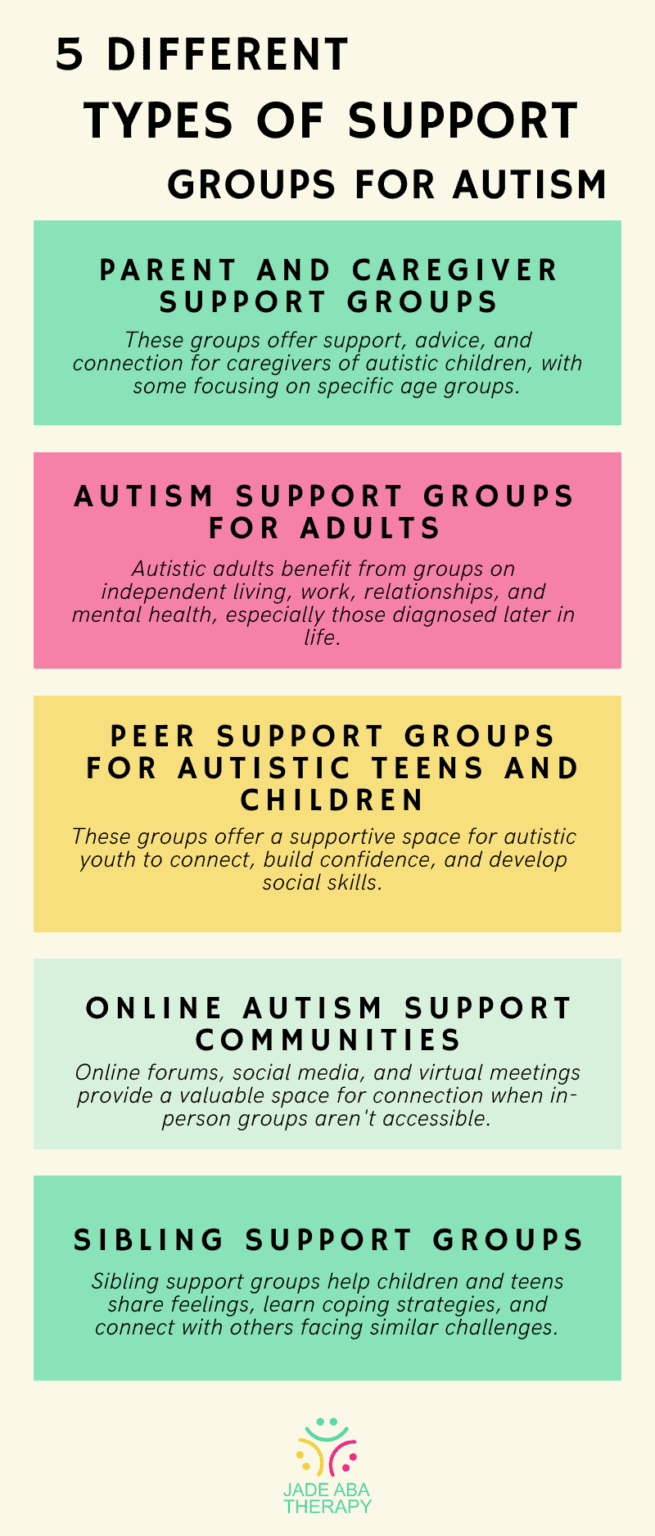
Delving deeper into the composition of these groups reveals a fascinating array of modalities, each designed to address distinct facets of the autism experience.
Peer Support and Family Networks
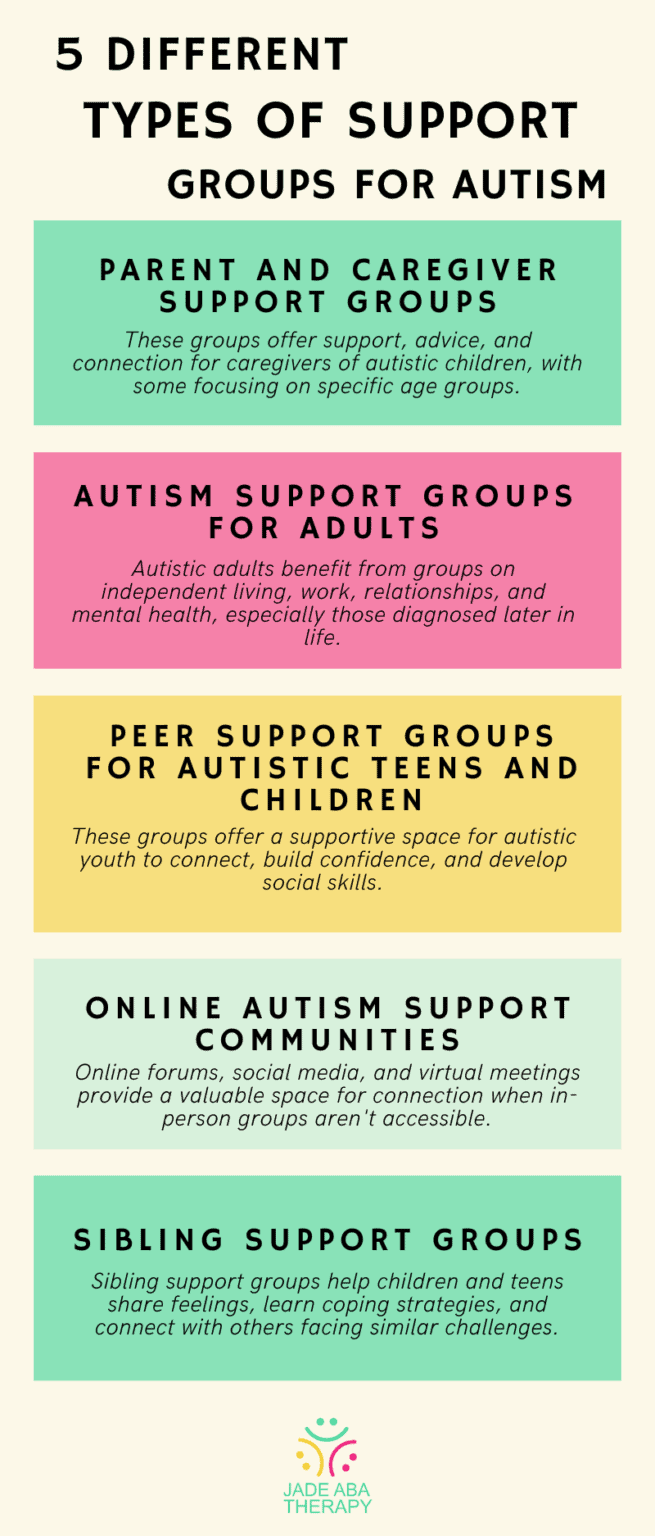
Peer-based groups create a crucible for empathy and mutual aid. Here, parents, caregivers, and individuals on the spectrum exchange insights distilled from their lived experiences. In [Your State], numerous family-run coalitions emphasize the importance of relational support, forming sanctuaries where frustrations are audible, victories celebrated, and practical solutions shared. Such networks foster a profound sense of belonging—an antidote to the isolating tendencies of misunderstood conditions.
Professional-Led Workshops and Therapeutic Sessions
Beyond peer interaction, many organizations in [Your State] boast affiliations with clinical professionals, behavioral therapists, and educational specialists. These groups provide structured programming encompassing Applied Behavior Analysis (ABA), speech therapy workshops, and social cognition training. The fusion of professional expertise and communal spirit elevates these gatherings from mere social settings to vibrant centers of growth and skill acquisition.

Specialized Interest Groups
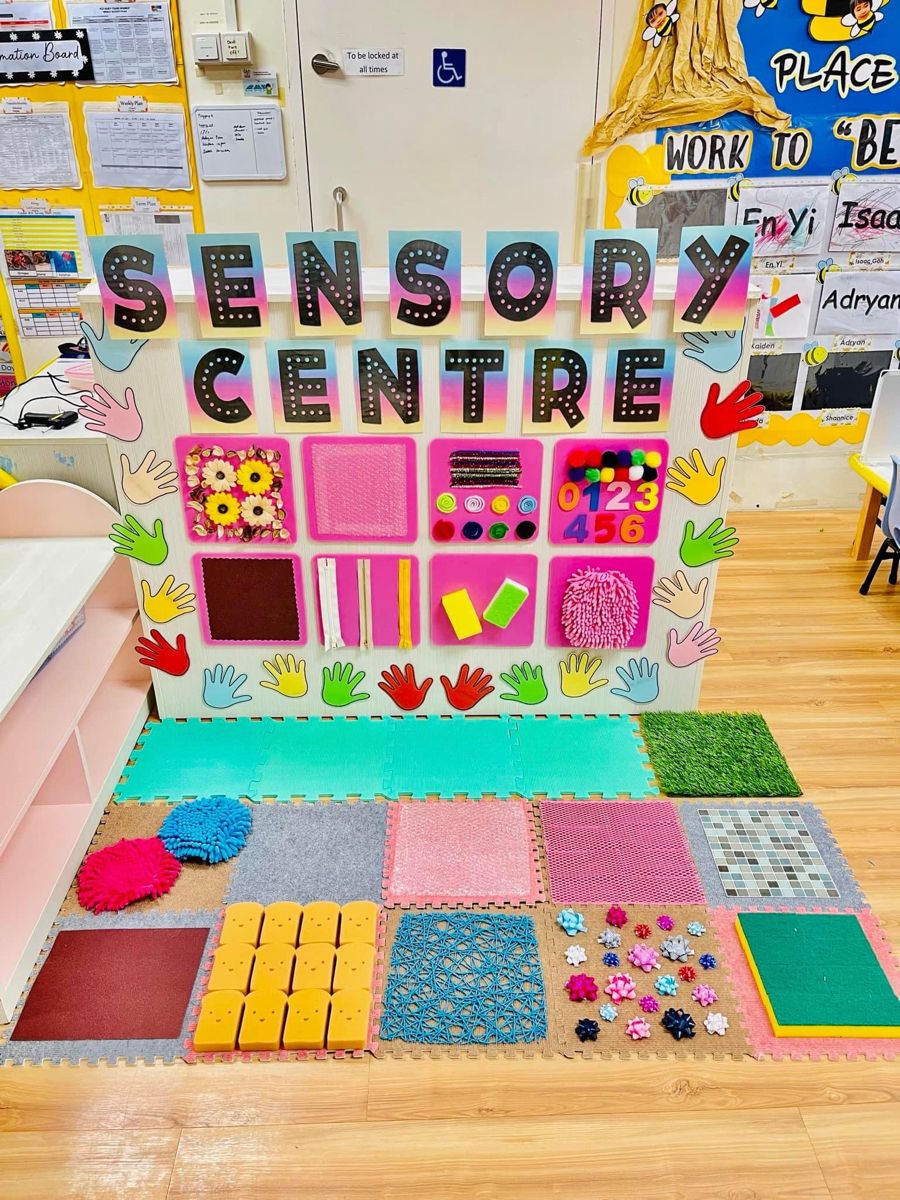
Many support networks in [Your State] recognize that autism intersects with other dimensions of identity and interest. Hence, specialized groups convene around topics such as employment assistance, adolescent transition programs, or sensory-friendly recreational activities. These targeted forums allow participants to grapple with niche challenges and aspirations, fostering an environment of relevance and precision.
The Unique Appeal of Support Groups in [Your State]
What distinguishes [Your State]’s autism support community is its ability to blend grassroots passion with progressive inclusivity. In certain regions, cultural sensitivities are interwoven into program design, accommodating diverse linguistic and ethnic backgrounds. This intentionality ensures that no voice is lost within the clamor for support.
Moreover, many groups employ technology innovatively, creating virtual meeting spaces that democratize access for those in remote or underserved areas. This digital expansion has not only increased participation but also enriched the dialogue, linking [Your State]’s communities with broader national and international autism advocacy movements.
How to Engage: Navigating Entry into Support Groups
Embarking on the search for the right support group can feel like approaching an intricate labyrinth. However, numerous resources exist to guide newcomers. Local autism resource centers, healthcare providers, and educational institutions often maintain updated directories and can offer personalized recommendations.
When selecting a group, it is imperative to consider the group’s structure, leadership, and primary focus areas to ensure alignment with individual or family needs. Some groups may emphasize social outings and camaraderie, while others prioritize educational workshops or advocacy training.
Fostering Lifelong Connections and Impact
Participation in these communities effectuates more than immediate support; it cultivates enduring relationships and a collective voice powerful enough to influence policy and societal perceptions. The ripple effect extends beyond individuals, catalyzing systemic change toward greater acceptance and accommodation.
In this way, the seemingly simple act of joining a support group becomes a transformative journey—not solely for personal growth but for the elevation of the entire autism community within [Your State].
Conclusion: The Ever-Expanding Horizon of Support
The constellation of autism support groups in [Your State] shines brightly against the often daunting backdrop of navigating ASD. Each group, like a beacon, illuminates pathways through challenges, celebrates individuality, and nurtures resilience. Together, they form an interconnected network—resilient, compassionate, and relentlessly forward-looking.
To discover the right support group is to open a door to community, resources, and understanding. Within these spaces, individuals and families are not merely coping; they are thriving, scripting stories of empowerment that reverberate far beyond their immediate circles. As this community continues to evolve, so too does the potential for a future where every person with autism experiences inclusion, dignity, and opportunity in [Your State] and beyond.