Mental health is a pivotal component of overall wellbeing, yet for autistic adults, the journey toward psychological balance can often be fraught with distinctive challenges. Navigating the labyrinth of emotions, sensory experiences, social interactions, and co-occurring conditions requires a nuanced understanding and tailored strategies. Improving mental health in autistic adults is not merely about alleviating symptoms but fostering resilience, self-awareness, and empowering autonomy.
Understanding the Unique Landscape of Mental Health in Autistic Adults
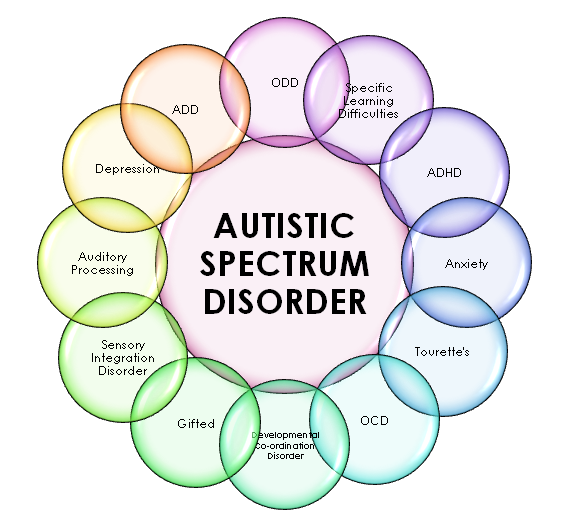
The mental health challenges faced by autistic adults often manifest differently compared to neurotypical individuals. Co-occurring conditions such as anxiety disorders, depression, and sensory processing differences frequently compound the experience. Recognizing these intricacies is the first vital step. Mental health is multifaceted; it extends beyond clinical diagnoses to encompass emotional regulation, coping mechanisms, and social connectedness. Cultivating awareness about how autism intersects with mental health creates a foundation for compassionate and effective support systems.
Creating a Personalized Mental Health Toolkit
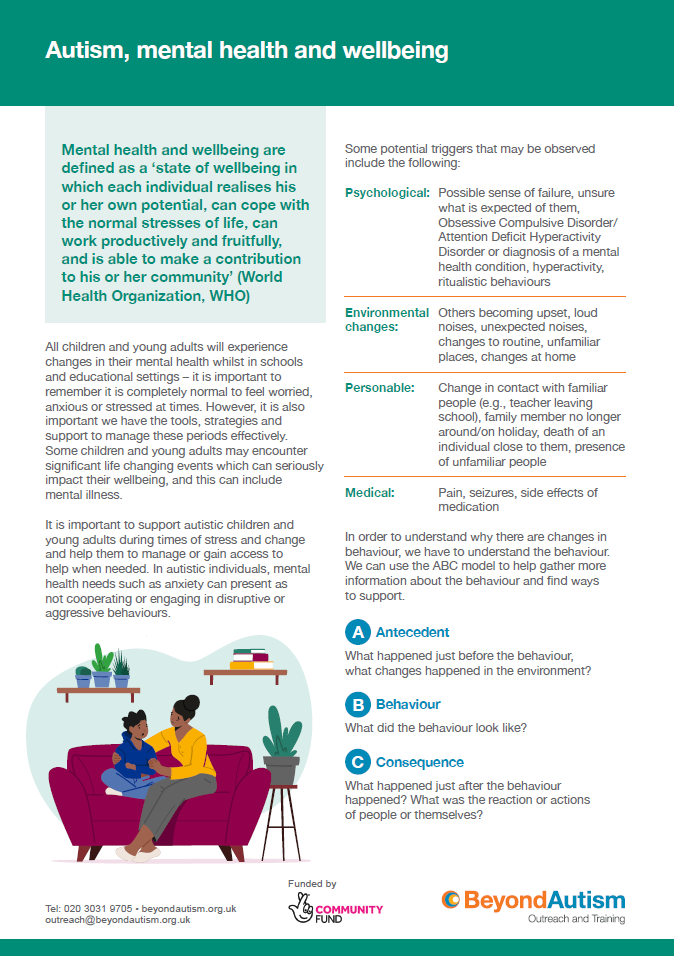
There is no one-size-fits-all approach to mental health for autistic adults. A personalized toolkit is essential, incorporating various modalities and resources that resonate on an individual level. This may include mindfulness practices adapted for sensory sensitivities, tailored cognitive-behavioral strategies, and pacing techniques to manage energy and prevent burnout. Emphasis on self-advocacy equips autistic adults to articulate their needs and boundaries effectively. Involving caregivers or trusted allies in this process can bolster support networks.
Navigating the Healthcare System for Mental Health Support
Access to competent and empathetic healthcare professionals can significantly impact mental health outcomes. Autistic adults often encounter barriers such as misdiagnosis, lack of autism-informed mental health providers, and systemic misunderstandings. It is crucial to seek practitioners who are versed in neurodiversity-affirming approaches and who adopt a trauma-informed lens. Advocating for accessible communication, sensory-friendly environments, and continuity of care enhances the therapeutic experience and fosters trust.
Community Engagement and Social Connectivity
Social isolation is a common challenge that exacerbates mental health struggles in autistic adults. However, meaningful connections need not conform to conventional social paradigms. Building communities that honor neurodiverse communication styles, shared interests, and paced interactions provide invaluable emotional sustenance. Peer support groups, either virtual or in-person, create spaces where individuals can share experiences and strategies without fear of judgment or misunderstanding. Such communal bonds nurture a sense of belonging and validation.
Leveraging Creative and Expressive Therapies
For many autistic adults, traditional talk therapy may not fully address the spectrum of internal experiences. Creative therapies such as art, music, drama, or writing offer alternative avenues for expression and emotional processing. These modalities often tap into implicit communication channels, releasing complex feelings that might elude verbal articulation. Integrating creative outlets into mental health care can be a transformative adjunct, enriching self-exploration and fostering joy.
Technology as a Catalyst for Mental Wellness
In an era where digital innovation shapes healthcare, technology presents promising tools to enhance mental health for autistic adults. Apps geared towards emotion tracking, relaxation techniques, and guided meditation can be customized to individual sensory needs. Teletherapy expands access to specialized professionals beyond geographic limitations. Online communities and forums also serve as platforms for connection and resource sharing. While technology is not a panacea, its strategic use can augment traditional approaches and foster self-management skills.
Promoting Physical Health as an Anchor for Mental Stability
Physical well-being and mental health are inextricably linked. Autistic adults benefit from routines that include balanced nutrition, regular physical activity, and sufficient rest. Exercise, particularly activities that harmonize with sensory preferences, supports neurochemical balance and mood regulation. Sleep hygiene is another critical domain, as sleep disturbances are prevalent and often exacerbate mental health symptoms. Attention to the body’s needs reinforces resilience and creates a solid base upon which mental wellness can flourish.
Recognizing and Addressing Burnout and Overwhelm
Autistic burnout represents a profound state of physical, mental, and emotional exhaustion resulting from prolonged stress and masking of autistic traits. Awareness of this phenomenon is essential to prevent its recurrence. Autistic adults should be encouraged to monitor their thresholds and implement restorative practices proactively. This may involve intentional downtime, sensory accommodations, and adjusting expectations both personally and professionally. Educating surrounding communities about burnout fosters an environment of understanding and support.
Building Self-Compassion and Acceptance
One of the most empowering strides in improving mental health is cultivating a compassionate relationship with oneself. The journey towards acceptance encompasses embracing neurodiversity and acknowledging personal strengths and challenges without self-judgment. Practices such as journaling, affirmations, and reflective exercises nurture this mindset. When autistic adults foster self-kindness, it mitigates internalized stigma and paves the way for authentic self-expression and emotional healing.

Improving mental health in autistic adults is a dynamic and individualized endeavor. It demands a mosaic of strategies—clinical, social, creative, and personal—that together construct a supportive and enriching framework. By embracing neurodiversity and expanding the repertoire of mental health resources, autistic adults can experience not only relief from distress but the realization of their full potential for wellbeing and fulfillment. The path, though complex, holds the promise of empowerment and authentic connection.