Social skills are an essential component of human interaction, serving as the bridge between understanding oneself and connecting with others. For autistic children, these skills often present unique challenges, yet with thoughtful interventions and nurturing environments, meaningful progress is entirely achievable. Exploring the multifaceted approaches to enhancing social competence reveals an enriching journey that encompasses communication, emotional awareness, and adaptive behaviors. This article delves into various avenues and methodologies that caregivers, educators, and therapists can employ to improve social skills in autistic children, providing a comprehensive resource that embraces both practical strategies and foundational insights.
Understanding Social Skills in Autistic Children
To effectively support social growth, it is imperative to first comprehend the intricacies of social skills in autistic children. These skills go beyond simple conversation and include the ability to interpret social cues, respond appropriately in diverse contexts, and regulate emotions during interactions. Many autistic children face difficulties deciphering nonverbal signals such as facial expressions, body language, and tone of voice, which can lead to misunderstandings and social withdrawal.
By recognizing that social challenges are not merely behavioral but deeply rooted in neurodiverse perceptions of communication, caregivers can approach interventions with empathy and patience. This perspective fosters an environment wherein children feel safe to experiment with social interactions without fear of judgment or failure.
Structured Social Skills Training
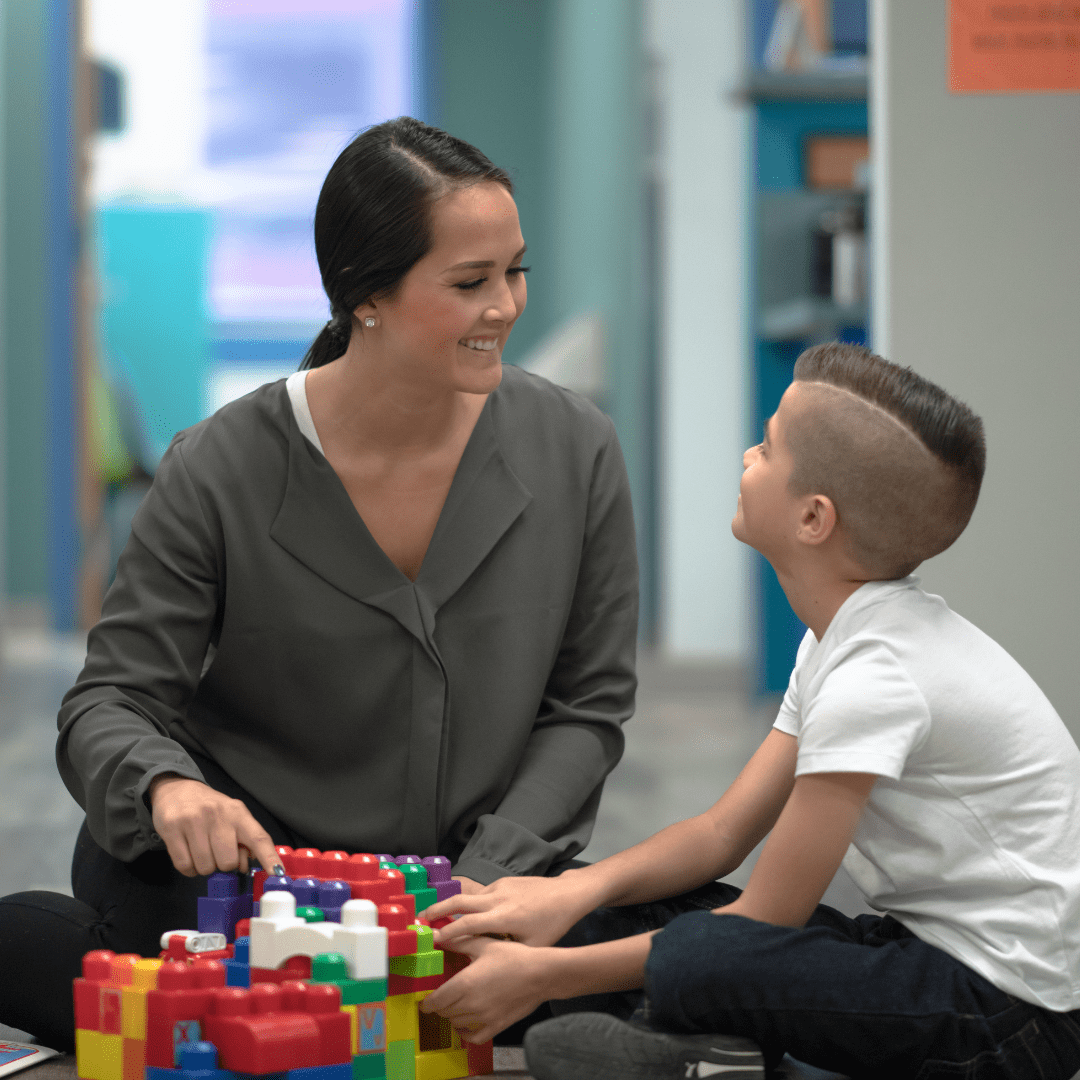
One of the most effective methods for enhancing social abilities involves structured social skills training programs. These sessions often utilize role-playing scenarios, video modeling, and explicit instruction to teach specific competencies, such as initiating conversations, taking turns, and recognizing emotions in others.
Role-playing allows children to practice real-life situations in a controlled setting, honing their responses and building confidence. Video modeling serves as a visual aid by presenting clear examples of appropriate social behavior, capitalizing on the often strong visual processing skills of autistic children. Furthermore, explicit instruction breaks down complex social behaviors into manageable steps, making abstract concepts more tangible.

Consistency and repetition in these structured environments reinforce learning and facilitate generalization of skills into daily life. Parents and educators can collaborate to ensure the practices are reinforced across contexts, thereby embedding social skills into routine experiences.
Enhancing Communication Through Language Development
Language is the vehicle through which much social interaction takes place, making its development a cornerstone of social skills enhancement. Autistic children often exhibit a spectrum of language abilities, ranging from nonverbal to highly articulate. Tailored approaches to language improvement then become a vital aspect of fostering social connection.
Techniques such as augmentative and alternative communication (AAC) devices offer invaluable support for nonverbal or minimally verbal children by providing alternative outlets for expression. Speech therapy focused on pragmatic language—how language is used in social contexts—can help children understand nuances like sarcasm, idioms, and conversational turn-taking.
In parallel, caregivers are encouraged to engage in responsive communication, mirroring the child’s gestures and sounds to validate their attempts at interaction and gradually enhance verbal expression.

Fostering Emotional Recognition and Regulation
Emotional literacy is deeply interwoven with social competence. Autistic children may find it challenging to identify their own feelings, much less those of others. This can inhibit empathy and suitable reactions in social scenarios.
To cultivate emotional insight, many programs incorporate visual aids such as emotion charts or storytelling techniques that personify feelings. These tools help children label emotions and understand their physiological and situational triggers.
Mindfulness and cognitive-behavioral strategies can also be employed to assist children in managing overwhelming emotions, preventing meltdowns or withdrawal during social exchanges. Teaching methods that promote self-awareness contribute to the child’s ability to navigate complex emotional landscapes while maintaining social engagement.
Creating Inclusive and Supportive Social Environments
Beyond direct training, the environment in which autistic children interact profoundly influences their social development. Inclusive settings where differences are embraced and acceptance is the norm provide fertile ground for social learning.
Structured playgroups, peer mentoring, and supervised social clubs tailored to diverse needs offer opportunities for naturalistic interaction. These experiences enable children to apply their skills spontaneously and build relationships grounded in mutual understanding and respect.
Educators and caregivers should foster an atmosphere that values patience, positive reinforcement, and encouragement. Celebrating small social victories nurtures self-esteem and motivates continued progress.
The Role of Technology in Social Skills Development
In recent years, technology has emerged as a versatile adjunct to traditional interventions. Interactive apps, virtual reality simulations, and social robots are increasingly being used to engage autistic children in social learning.
These tools offer personalized and repeatable scenarios that adapt to the child’s pace and interests, enhancing motivation and retention. Moreover, gamified elements transform learning into an enjoyable experience, reducing anxiety around social interaction.
However, it remains essential that technological aids complement, rather than replace, real-world practice, ensuring that social skills translate beyond digital environments.
Conclusion: A Holistic Path Toward Social Flourishing
Improving social skills in autistic children is a multifarious endeavor that requires patience, creativity, and collaborative effort. By intertwining structured training, language enhancement, emotional literacy, inclusive settings, and technological innovation, caregivers and professionals can craft a robust framework for growth.
Each child’s social journey is distinct, and the strategies implemented must be attuned to individual strengths and challenges. With sustained support and an empathetic approach, autistic children can cultivate meaningful connections that enrich their lives and those around them. Through this commitment, the profound potential inherent within every child is realized—sparking social flourishing that resonates far beyond initial milestones.