In the quiet hum of a community center’s back room, a circle of chairs waits expectantly. Some are occupied by parents whose eyes carry the weight of unspoken questions. Others belong to individuals who have spent years navigating a world that often feels calibrated to someone else’s rhythm. This is where transformation begins—not with grand declarations, but with the simple act of gathering. Starting an autism support group in your area isn’t just about creating a space; it’s about igniting a ripple that could redefine how your community understands, supports, and uplifts neurodivergent individuals. The journey from isolation to connection begins with a single step, and the path is far more accessible than you might imagine.
Imagine a place where the unfiltered laughter of a child with autism isn’t met with sideways glances, but with understanding nods. Where a parent’s exhaustion isn’t dismissed as overprotectiveness, but met with shared stories and practical advice. Where an autistic adult can voice their needs without fear of being labeled “difficult.” This isn’t a utopian fantasy—it’s the promise of a well-crafted support group. The right structure can turn fragmented experiences into a collective force, fostering resilience where there was once only fatigue. But how do you move from the spark of an idea to a thriving, sustainable community? The answer lies in intentional design, unwavering empathy, and a willingness to challenge the status quo.
The Alchemy of Shared Experience: Why Support Groups Matter
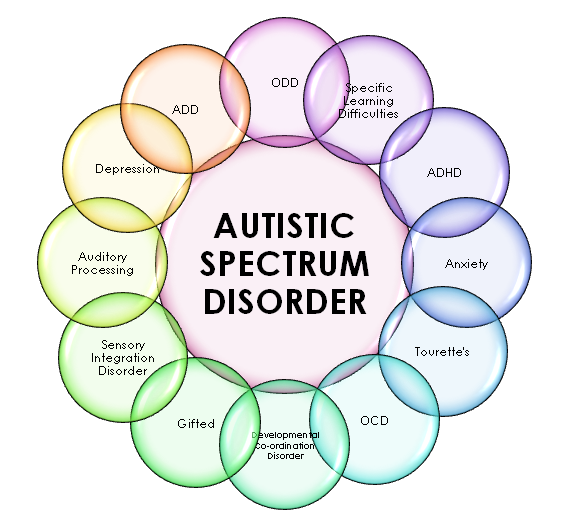
Autism is not a monolith. It is a spectrum as vast and varied as the individuals who navigate it—each with their own strengths, challenges, and ways of engaging with the world. Yet, despite this diversity, one truth unites them: the profound impact of isolation. For parents, the journey often begins with a diagnosis that feels like a door slamming shut on the life they imagined. For autistic adults, it might mean years of masking their true selves to avoid judgment. For siblings, it can be a silent struggle to reconcile love with frustration. A support group doesn’t erase these challenges, but it transforms them from solitary burdens into shared narratives.
Consider the parent who, after months of sleepless nights, finally meets another mother whose child has the same sensory sensitivities. Or the autistic adult who, for the first time, feels seen when someone else articulates their experience with the same words they’ve always struggled to express. These moments of recognition are not just comforting—they are revolutionary. They shift the narrative from one of deficit to one of possibility. Support groups provide a crucible where raw, unfiltered experiences are not only heard but validated. They become the foundation upon which trust is built, and from trust, action emerges.
Laying the Groundwork: Defining Your Group’s Purpose and Audience
Before you send out a single invitation, clarity is your most powerful tool. What void does your group aim to fill? Will it serve parents of newly diagnosed children, autistic adults seeking community, siblings navigating their role, or a mosaic of these voices? Each audience comes with distinct needs, expectations, and communication styles. A group for parents of toddlers will require different resources than one for autistic teens transitioning to adulthood. Define your scope with precision, but leave room for evolution. The most successful groups begin with a focused mission that expands organically as the community’s needs become clear.
Next, consider the format. Will your gatherings be in-person, virtual, or a hybrid of both? In-person meetings offer the irreplaceable magic of face-to-face connection, but virtual options can dismantle barriers for those with mobility challenges or geographic constraints. Hybrid models provide flexibility, allowing the group to adapt to the ever-shifting tides of public health and personal circumstances. Think, too, about the rhythm of your meetings. Will they be structured around guest speakers, open discussions, skill-sharing workshops, or a blend of these? The cadence should reflect the pulse of your community—whether that’s a monthly deep dive or weekly check-ins that foster consistency.

Crafting a Sanctuary: Designing a Space for Authentic Connection
The environment in which your group meets sets the tone for every interaction. A sterile, fluorescent-lit room can feel clinical and unwelcoming, while a cozy, neutral space invites vulnerability. If meeting in person, scout locations that prioritize accessibility—ramps, quiet rooms, and sensory-friendly lighting are not luxuries but necessities. For virtual gatherings, platform choice matters deeply. Tools like Zoom or Discord can be customized with breakout rooms for intimate discussions or chat features for quieter participants to contribute without interruption.
Structure is your ally, but rigidity is its enemy. Begin each session with a clear agenda, but leave ample time for organic conversation. Icebreakers should be thoughtfully curated—avoid forced games that might alienate participants, and instead opt for prompts that encourage storytelling, such as “What’s one thing you wish others understood about your experience?” Silence should be respected, not rushed. Remember, for many autistic individuals, processing time is sacred. Rushing the pause between words can disrupt the very connection you’re trying to cultivate.
Boundaries are the invisible scaffolding that holds the group together. Establish ground rules early: respect for differing communication styles, confidentiality, and a zero-tolerance policy for judgment. Encourage participants to share their preferred pronouns and communication needs upfront. This isn’t just about inclusivity—it’s about dismantling the assumption that everyone processes the world in the same way. When these norms are set with kindness but firmness, they create a container where people can show up as their full selves.
Nurturing the Ecosystem: Resources, Partnerships, and Sustainability
A support group cannot thrive in isolation. It needs nourishment from external sources—experts, organizations, and local networks that can provide expertise, funding, or logistical support. Identify autism-focused nonprofits, therapists, or educators in your area who might be willing to guest-speak or offer pro bono workshops. Libraries, community centers, and places of worship often have spaces available at little to no cost. Local businesses may sponsor refreshments or donate materials in exchange for visibility.
Funding, though often overlooked, is the lifeblood of sustainability. Start small—consider a modest membership fee, sliding scale donations, or crowdfunding campaigns. Apply for grants from disability advocacy organizations or local government initiatives focused on mental health and neurodiversity. Transparency about finances builds trust, so share how funds are allocated, whether it’s for venue rentals, educational materials, or emergency support for members in crisis.
Documentation is another often-neglected aspect. Keep records of attendance, feedback, and outcomes. This data isn’t just for grant applications—it’s a compass. Are certain topics resonating more than others? Is attendance dwindling because the timing no longer works, or because the format feels stale? Regularly revisit your mission in light of these insights. A group that refuses to evolve is a group that risks becoming obsolete.
The Ripple Effect: How Your Group Can Transform the Community
The impact of a support group extends far beyond its weekly meetings. When parents leave feeling less alone, they advocate more fiercely for inclusive education. When autistic adults find their voices amplified, they challenge stereotypes in workplaces and social circles. When siblings gain a space to process their emotions, they become more patient and understanding caregivers. These shifts, though incremental, are seismic in their potential to reshape societal attitudes.
Consider the story of a local business owner who, after attending a support group, decided to train their staff in neurodiversity awareness. Or the school that revamped its sensory-friendly policies after hearing parents’ frustrations. Your group can become a catalyst for systemic change, but only if you position it as more than a weekly gathering. Host public awareness events. Collaborate with local media to share stories that humanize the autism experience. Advocate for policies that improve accessibility in your town. The most powerful support groups don’t just hold space—they agitate for a better world.
Closing the Circle: The Ongoing Commitment to Growth
Starting a support group is not a one-time act of creation, but a lifelong practice of listening, adapting, and showing up. The first meeting may feel awkward. The second might have more empty chairs than you’d hoped. But persistence is its own form of magic. Each person who walks through the door, whether for the first time or the hundredth, carries a piece of the puzzle. Your role isn’t to have all the answers, but to create a space where the questions can be asked without shame.
In the end, the most profound promise of a support group isn’t that it will solve every problem. It’s that it will remind each member that they are not alone in their journey. That their struggles are not flaws, but shared human experiences. That the world, though often unkind, can be reimagined—one conversation, one laugh, one act of solidarity at a time.
So take that first step. Send the email. Reserve the room. Post the flyer. The chairs are waiting. The circle is incomplete without you.