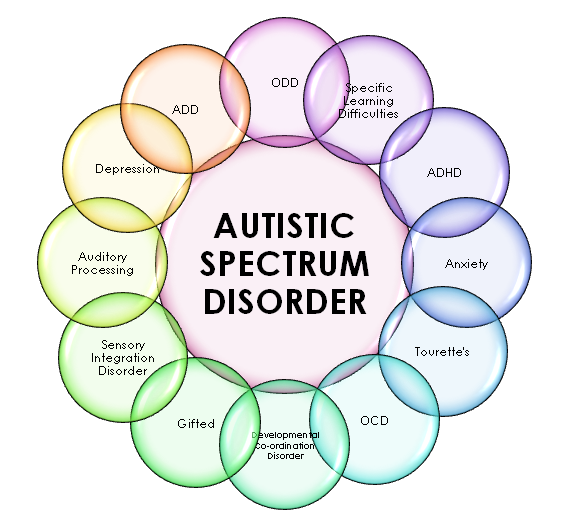
Ever wondered how an individual blueprint for learning could transform your child’s education journey? For parents of children with autism, navigating the labyrinth of Individualized Education Plans (IEPs) might feel like deciphering an elusive code. Yet, the challenge is not only to understand the complexities inherent in IEPs but also to become an empowered advocate ensuring your child’s unique needs are met with precision and compassion.
Understanding the Essence of IEPs
At its core, an Individualized Education Plan is more than just a legal document—it’s a meticulously crafted roadmap designed to tailor educational experiences to a child’s distinctive requirements. For children on the autism spectrum, whose needs often extend beyond conventional classroom support, the IEP becomes a crucial instrument to level the academic playing field. This plan integrates specialized instructional strategies, accommodations, and measurable goals that embody both the child’s strengths and areas requiring support.
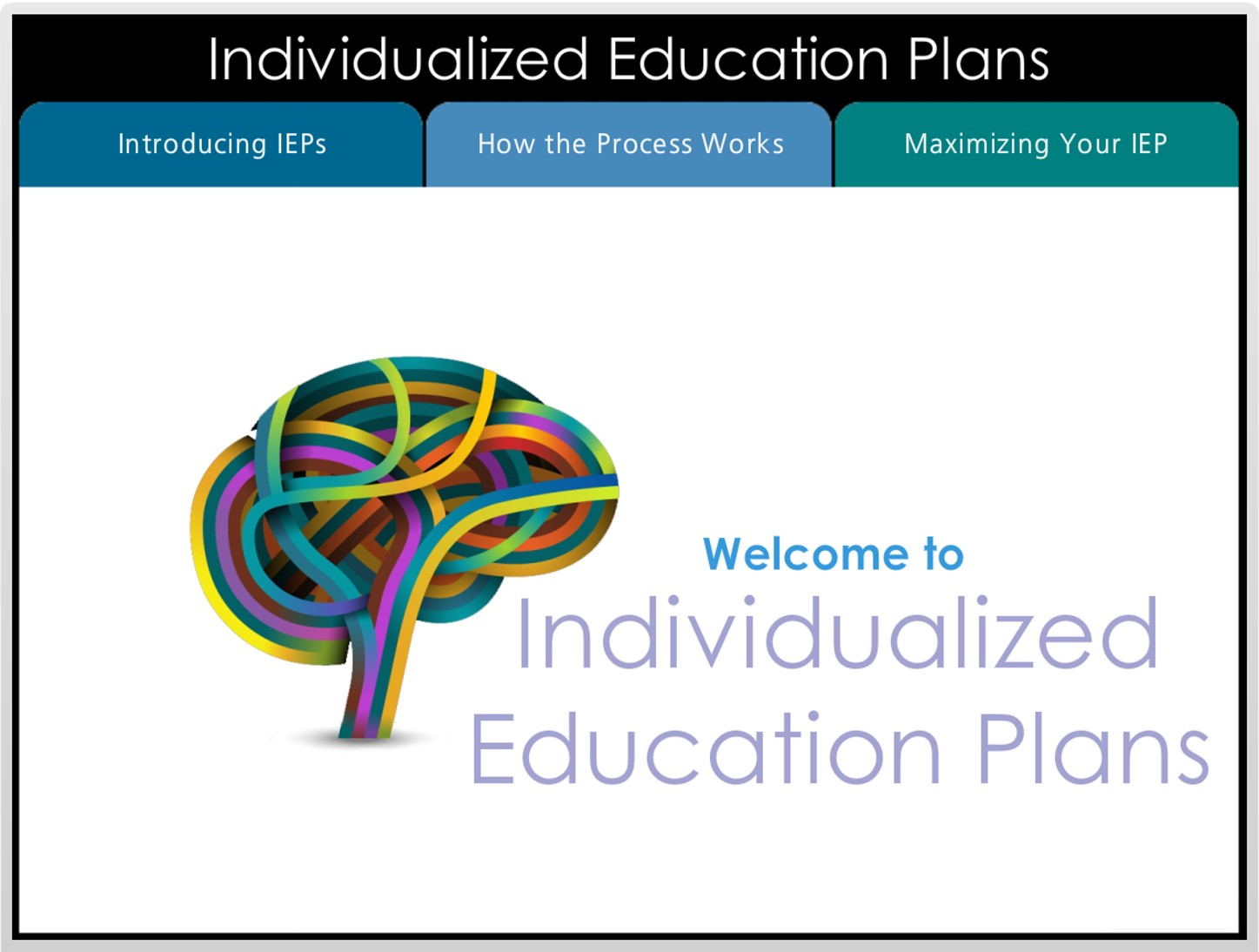
Developed collaboratively by a multidisciplinary team that includes educators, therapists, and most importantly, the parents or guardians, IEPs encapsulate a philosophy of inclusivity and precision. It is a living document, periodically reviewed and revised, adapting as the child grows and their educational needs evolve.
The Crucial Role of Parents in Crafting IEPs
Parents occupy a pivotal role in the IEP process, often serving as both advocates and experts on their child’s behavioral patterns, preferences, and triggers. Their firsthand insights can illuminate nuances that purely academic data might overlook. Engaging actively in IEP meetings—armed with documentation, questions, and well-considered goals—is indispensable for securing a plan that genuinely supports the child’s development.
This involvement also ensures transparency and mutual understanding between the family and the educational institution. Yet, the terrain can be daunting. Parents frequently wrestle with navigating jargon, procedural formalities, and the delicate balance of collaboration versus confrontation. Cultivating a proactive, informed stance can alleviate much of this uncertainty and foster a more cooperative atmosphere.
Decoding the Components of an IEP for Autism
Each IEP is uniquely tailored, but several essential elements consistently underpin these plans. Initially, a comprehensive evaluation must delineate the child’s cognitive, social, communication, and adaptive skills. These assessments provide the foundation for defining:
- Present Levels of Performance – A candid snapshot detailing current abilities and challenges.
- Annual Goals – Specific, measurable objectives that are ambitious yet attainable within a year.
- Specialized Instruction and Related Services – From speech therapy to occupational therapy, these interventions address multifaceted needs.
- Accommodations and Modifications – Adjustments like extended test time or sensory breaks that enable equitable access.
- Progress Monitoring – Methods and intervals for evaluating the child’s advancement towards the set goals.
These layers of specification are not mere formalities but the backbone of a functional plan tailored to nurture growth in both academic and practical spheres. For autism, nuanced considerations such as communication aids, social skills training, and behavioral supports are often integral components.
Overcoming Challenges in IEP Development
Despite its structured framework, the IEP process can present various obstacles. Parents may encounter discrepancies between perceived needs and educational resources available or grapple with the emotional toll of advocating intensely for their child. Additionally, the dynamic and heterogeneous nature of autism means that flexibility and responsiveness in the plan are paramount.
Misunderstandings or unrealistic expectations can precipitate frustration. Recognizing the potential for these challenges and adopting strategies like thorough preparation, seeking external expert advice, or connecting with support groups enhances resilience and efficacy. Moreover, fostering open lines of communication with educators can preempt conflicts and promote a shared commitment to the child’s success.
Maximizing the Efficacy of Your Child’s IEP
Once established, an IEP’s success hinges on diligent implementation and continuous advocacy. Parents are encouraged to maintain detailed records of communications, assessments, and observed progress, ensuring the educational team remains accountable. Active participation in periodic reviews reinforces the relevance and responsiveness of the plan.

Beyond the school setting, integrating therapeutic strategies into home routines and encouraging self-advocacy as the child matures contributes to holistic development. The IEP becomes not just a school mandate but a foundational pillar in a lifelong educational and emotional journey.
Navigating Transitions: Preparing for the Future
An often overlooked but critical aspect of IEPs for children with autism is preparing for transitional phases—be it moving from early childhood programs to elementary school or beyond, such as into secondary education or vocational pathways. These periods require foresight and strategic planning to ensure minimal disruption and sustained support.
Transition plans within the IEP should incorporate skill-building for independence, social integration, and career readiness tailored to the individual’s aspirations and capabilities. Collaborating with counselors, transition specialists, and community resources can create a seamless continuum of care and education, empowering both the child and family to anticipate and embrace forthcoming changes with confidence.
Charting the course for a child with autism through the intricate landscape of education is undeniably complex. Yet, the Individualized Education Plan offers a beacon—illuminating possibilities tailored to the singular contours of each child’s needs. With patience, knowledge, and proactive collaboration, parents can transform the challenge of navigating IEPs into a triumphant voyage of empowerment and growth, securing not just educational access, but the promise of a thriving future.