Autism is not a monolith—it is a spectrum as vast and varied as the stars in the night sky, each one burning with its own unique light. To some, it is a gift, a constellation of extraordinary abilities that illuminate the world in ways others cannot perceive. To others, it is a labyrinth, a series of winding corridors that demand patience, resilience, and an unyielding spirit to navigate. The question of whether autism is a gift or a challenge is not one of binary absolutes but of perspective, of the lens through which we choose to view the world. This exploration delves into the multifaceted nature of autism, weaving together the threads of its paradoxical existence—where brilliance and struggle coexist in a delicate, often misunderstood dance.
The journey begins with the notion of autism as a symphony of the mind, a metaphor that captures the intricate interplay of strengths and sensitivities that define the autistic experience. Imagine the brain as an orchestra, where each instrument plays a distinct role, contributing to a harmonious whole. For many autistic individuals, this orchestra is not just a metaphor but a lived reality. The ability to hyperfocus on a passion, to perceive patterns invisible to others, or to experience emotions with an intensity that borders on the sublime are not flaws but features of a mind wired differently. These are the notes that compose the melody of genius—think of the mathematical prodigies who see numbers as living entities or the artists who translate sensory overload into breathtaking masterpieces. Autism, in this light, is not a deficit but a recalibration of human potential, a reminder that diversity in cognition is not a deviation from the norm but a celebration of it.
Yet, this symphony is not without its dissonance. The same mind that perceives the world with unparalleled clarity can also be besieged by sensory storms—sounds that pierce like needles, textures that feel like sandpaper, or lights that flicker like strobes in a nightmare. The challenge of autism lies not in the absence of ability but in the tyranny of the environment, a world designed for neurotypical comforts. Social interactions, often taken for granted by others, can feel like navigating a minefield of unwritten rules and unspoken expectations. The exhaustion of masking—of suppressing one’s natural inclinations to fit into a world that does not accommodate them—is a silent burden carried by many. Autism, in this context, is a double-edged sword, a paradox where the very traits that enable extraordinary achievements can also render the mundane overwhelming.
To understand autism fully, we must also confront the myth of the “autistic savant”, the trope that reduces the autistic experience to a caricature of either prodigious talent or profound disability. Reality is far more nuanced. While some autistic individuals possess extraordinary skills in specific domains, others struggle with tasks that neurotypical people find effortless. The truth is that autism is a spectrum, a tapestry woven with threads of both brilliance and hardship. It is the child who memorizes train schedules with ease but finds eye contact agonizing, or the adult who excels in analytical thinking but grapples with executive dysfunction. This duality is not a flaw but a testament to the elasticity of human cognition, a reminder that the human mind is not a monochrome canvas but a kaleidoscope of colors and patterns.

The societal narrative around autism is slowly shifting, but the shadows of stigma and misunderstanding linger. Autism is often framed through the lens of deficit-based language—terms like “disorder” or “impairment” that frame it as something to be fixed rather than understood. Yet, this perspective overlooks the cultural richness that autistic communities bring to the world. Consider the neurodiversity movement, which posits that autism is not a disease to be cured but a natural variation of human neurology. This movement champions the idea that society, not the individual, must adapt to accommodate diverse ways of thinking. It is a call to reimagine inclusion, to build environments where autistic individuals are not forced to contort themselves to fit in but are celebrated for who they are.
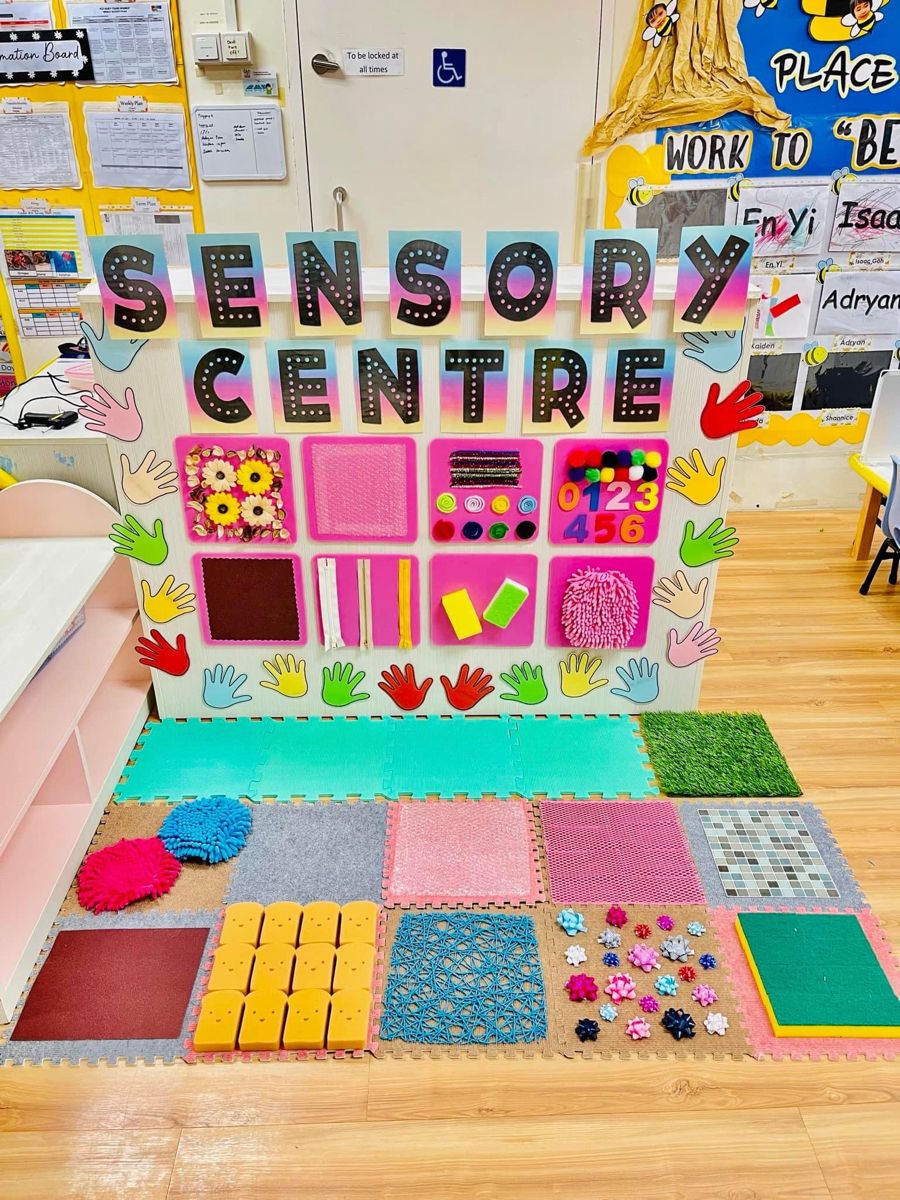
For parents, educators, and allies, the path forward lies in empathic accommodation—a commitment to understanding rather than correcting. This means creating sensory-friendly spaces, embracing alternative communication methods, and fostering environments where autistic individuals can thrive on their own terms. It means recognizing that a “challenge” is not inherent to autism itself but arises from the friction between autistic needs and a world that often ignores them. The goal is not to erase the difficulties but to mitigate them, to build bridges rather than demand passage.
The question of whether autism is a gift or a challenge is ultimately a philosophical inquiry as much as it is a practical one. It invites us to reflect on what we value in human existence—efficiency or creativity, conformity or individuality. Autism challenges us to expand our definitions of success, to recognize that productivity is not the sole measure of worth, and that the world is richer for the diversity of minds that inhabit it. It is a reminder that the most profound innovations often emerge from the fringes, from those who see the world through a different lens.
In the end, autism is neither solely a gift nor solely a challenge. It is both—a paradox, a duality, a testament to the complexity of the human condition. To embrace this duality is to embrace the full spectrum of human experience, to recognize that every mind, regardless of its wiring, has something invaluable to contribute. The world does not need to be fixed for autistic individuals; it needs to be reimagined. And in that reimagining, we may all find a little more understanding, a little more compassion, and a little more of the extraordinary in the ordinary.