Play therapy has emerged as an indispensable modality in the therapeutic landscape for autistic children. This nuanced approach extends beyond mere recreation, serving as a potent conduit for communication, emotional expression, and developmental enhancement. Through play, children on the autism spectrum find a unique language—a language that bridges cognitive, social, and emotional divides that traditional therapies might struggle to navigate. This article explores the multifaceted benefits of play therapy and delineates the diverse techniques employed, illuminating the transformative impact this intervention holds.
Understanding Play Therapy in the Context of Autism
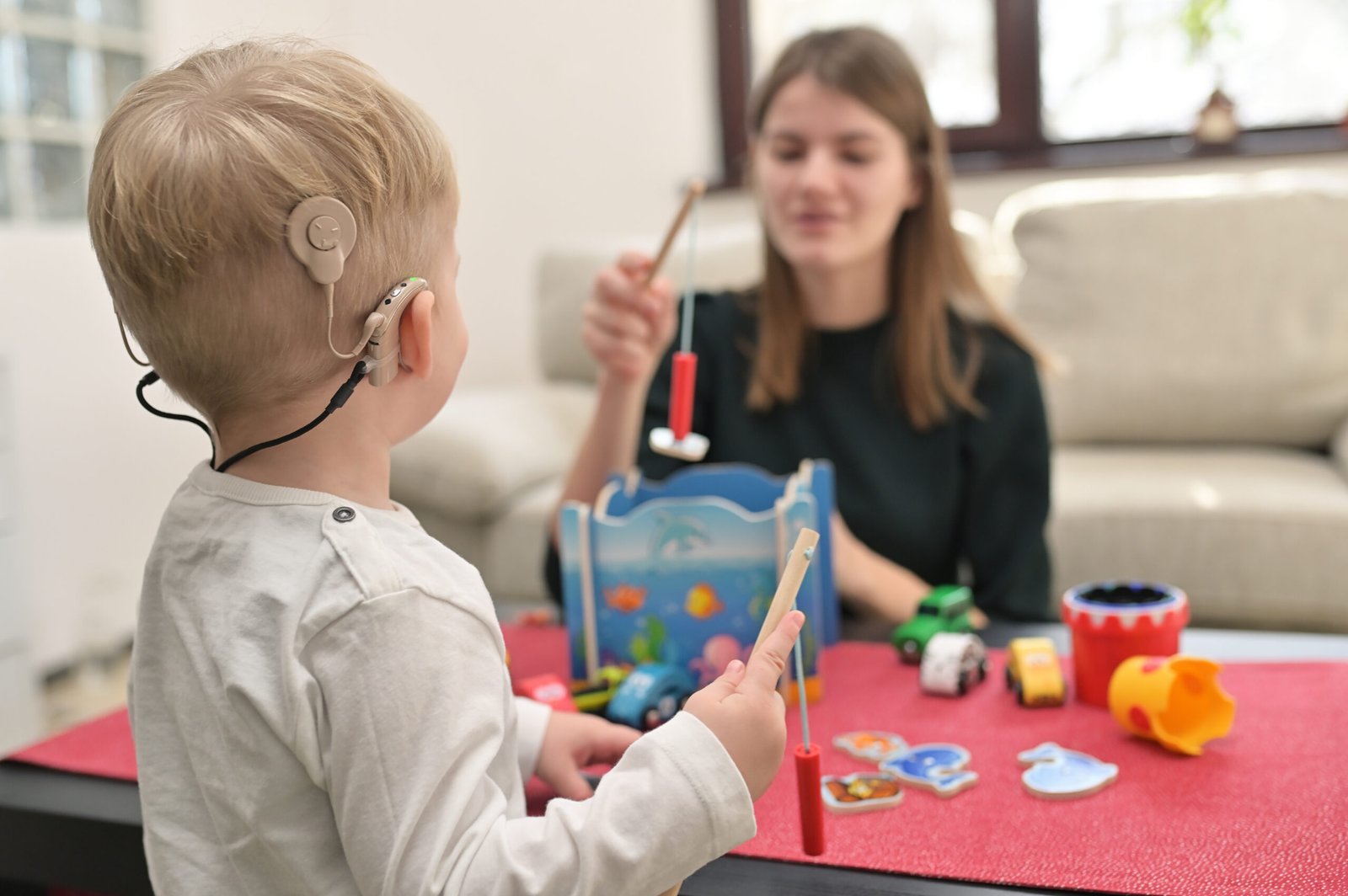
Play therapy is an evidence-based treatment strategy that engages children in play to facilitate psychological healing, behavioral adjustments, and social skills acquisition. For autistic children, who often experience challenges in verbal communication and sensory processing, play therapy becomes an invaluable tool. It operates on the premise that play is the child’s natural medium of self-expression, allowing therapists to interpret and respond to unspoken needs and emotions. Within this therapeutic framework, structured and unstructured play activities are carefully curated to align with the individual child’s developmental level and sensory preferences.

Core Benefits of Play Therapy for Autistic Children
The advantages of play therapy extend far beyond surface-level enjoyment. Central benefits include enhanced emotional regulation, improved communication skills, and the cultivation of social interactions. Autistic children often face hurdles in recognizing and managing emotions; play therapy provides a safe space to explore feelings through symbolic play and creative expression. Additionally, this approach facilitates the development of functional language and non-verbal cues, promoting clearer communication with peers and caregivers.
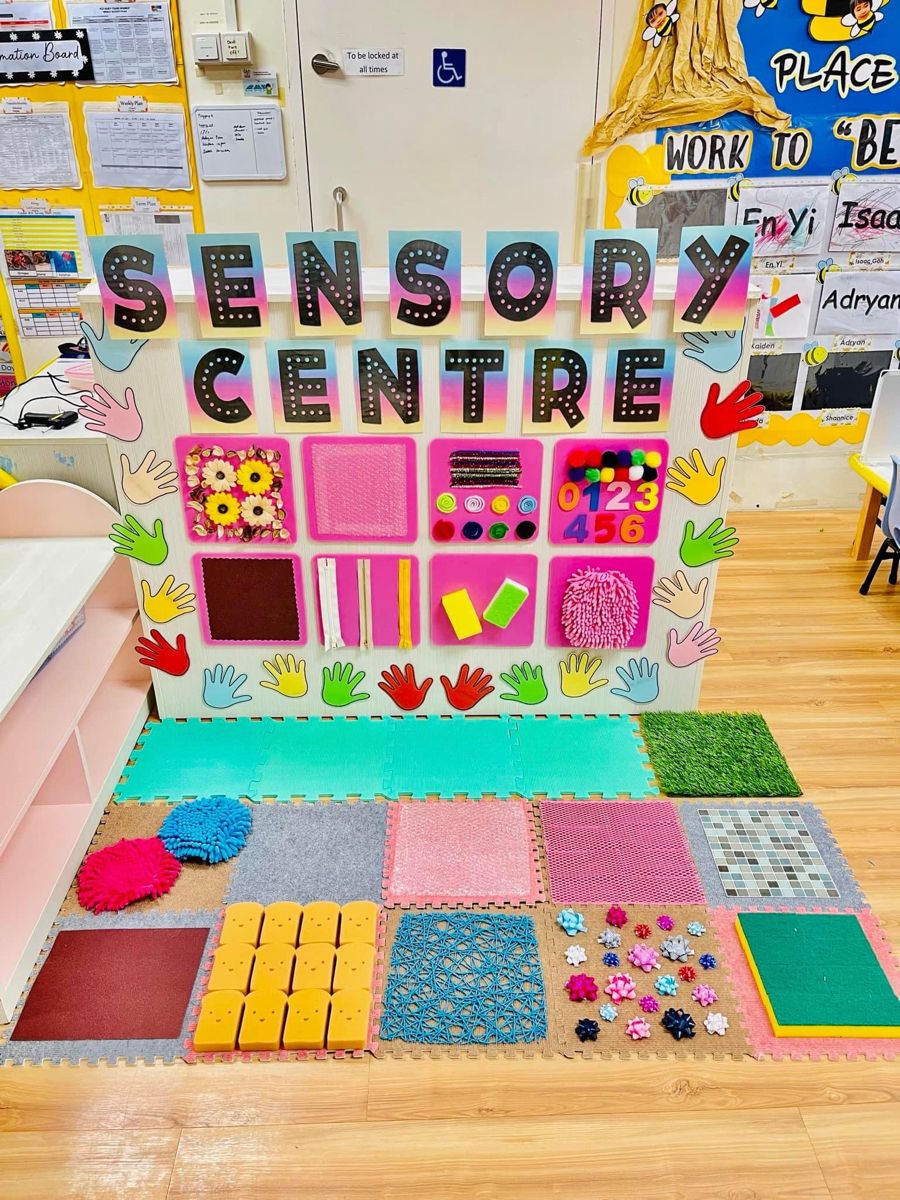
Another pivotal benefit is the encouragement of sensory integration. Many children on the spectrum have heightened or diminished sensory sensitivities, which can lead to distress or withdrawal. Play therapy sessions deftly integrate sensory-rich materials—such as textured toys, musical instruments, or movement activities—that help children gradually acclimate to sensory stimuli, reducing anxiety and increasing engagement.
Moreover, play therapy fosters self-confidence and autonomy. As children succeed in navigating play scenarios—whether it be cooperative games, problem-solving tasks, or imaginative storytelling—they accrue a sense of competence that positively influences their overall development.
Techniques Employed in Play Therapy for Autistic Children
Play therapy encompasses a spectrum of methodologies, each tailored to address specific therapeutic goals. Understanding these diverse techniques enables practitioners and caregivers to appreciate the versatility of this intervention.
1. Directive Play Therapy
This technique involves the therapist actively guiding the play process with a clear therapeutic objective. For autistic children, directive play might include role-playing social situations to practice interaction skills or structured games designed to improve turn-taking and patience. The therapist’s intentional scaffolding helps children learn new behaviors within a familiar, playful context.
2. Non-Directive (Child-Centered) Play Therapy
In this modality, the child assumes control over the play session, choosing the toys, themes, and pace. The therapist facilitates a safe environment, allowing the child’s interests and fantasies to naturally surface. This approach respects the child’s autonomy and can be particularly beneficial for those who are reticent or overwhelmed by structured demands. The therapist interprets play narratives to uncover hidden anxieties or desires, guiding interventions subtly.
3. Sensory Integration Play Therapy
Targeting sensory processing challenges, this technique incorporates activities that address tactile, vestibular, proprioceptive, and auditory inputs. Therapists employ tools such as swings, textured mats, and auditory stimuli to meet the child’s sensory needs. This fosters neurological regulation and can mitigate behaviors linked to sensory overload or under-responsiveness.
4. Use of Art and Music in Play Therapy
Integrating creative arts enhances self-expression and can bypass linguistic barriers. Drawing, painting, or using musical instruments gives autistic children alternative avenues to communicate emotions and experiences. These art forms also encourage fine motor skills and can introduce rhythmic and pattern recognition, which supports cognitive development.
Setting and Environment Considerations
The play therapy environment must be meticulously designed to support the child’s comfort and maximize therapeutic effectiveness. This involves a calm, predictable space free from extraneous stimuli that may provoke sensory overwhelm. The selection of toys and materials is strategic—favoring ones that promote engagement but do not overstimulate. Furthermore, creating opportunities for both solitary and group play helps address individual needs while encouraging socialization.
Collaborative Role of Caregivers and Therapists
Effective play therapy for autistic children necessitates a collaborative approach. Therapists work closely with parents, educators, and caregivers to transfer therapeutic gains into everyday contexts. Training caregivers in play techniques fosters consistency and reinforces skill acquisition beyond therapy sessions. Moreover, understanding the child’s unique responses during play guides personalized adjustments to treatment plans, enhancing long-term outcomes.
Measuring Progress and Outcomes
Progress in play therapy is multifaceted, often assessed through qualitative and quantitative measures. Observations of enhanced engagement, improved social interactions, and emotional self-regulation serve as primary indicators. Standardized scales may also be employed to track developmental milestones and behavioral changes over time. Importantly, progress is viewed holistically, taking into account the child’s individual journey rather than rigid metrics.
Conclusion
Play therapy represents a cornerstone of effective intervention for autistic children, embodying a synthesis of compassionate understanding and structured therapeutic intention. Its benefits ripple across emotional, social, cognitive, and sensory domains, offering a lifeline through which children can thrive. By harnessing diverse techniques and meticulously crafted environments, play therapy invites autistic children into a world where their voices are heard not just in words, but in actions, imagination, and creativity. As this field continues to evolve, play therapy stands poised to unlock further potentials, forging pathways for enriched lives and meaningful connections.