Sensory overload is a recurrent theme in the lives of many individuals on the autism spectrum. This phenomenon, often perceived by outsiders simply as a reaction to a noisy or chaotic environment, holds layers of complexity beneath the surface. It is not merely a discomfort but an intricate interplay of neurological processing and environmental stimuli that can deeply affect behavior, communication, and emotional regulation. To truly appreciate the pervasive nature of sensory overload in autism, one must explore its signs, underlying causes, and effective solutions.
Understanding Sensory Overload: Beyond the Surface
At its core, sensory overload occurs when an individual’s nervous system is overwhelmed by external stimuli—such as sights, sounds, textures, smells, or tastes. For those on the autism spectrum, this sensory input can be fragmented, intensified, or processed differently than in neurotypical individuals. A common observation is the profound fascination with seemingly mundane stimuli: a flickering light, a specific texture, or a repetitive sound. This fixation hints at deeper neurological underpinnings, where certain sensory inputs might provide regulatory or calming effects amidst a sea of chaos.
Interactions with the environment become a battleground for the brain’s resources, sometimes manifesting as anxiety, withdrawal, or explosive reactions. Hormonal and neurological pathways may amplify the response to sensory stimuli, making ordinary environments unpredictable and challenging. The fascination with specific sensory experiences may serve as a compensatory strategy, a way to exert control or to soothe the nervous system, revealing a complex sensory landscape deserving nuanced understanding.
Common Signs of Sensory Overload in Autism
Recognizing sensory overload early is crucial for mitigating its impact. The overt signs often share commonalities but can vary widely depending on the individual’s sensory profile and intensity of exposure.
- Physical signs: Covering ears, squinting eyes, or withdrawing from touch are frequent responses indicating hyper-sensitivity to sounds or tactile input.
- Behavioral changes: Repetitive movements such as rocking, hand-flapping, or pacing may escalate. Conversely, some might become unusually quiet, retreating inward as a protective mechanism.
- Emotional signs: Heightened irritability, anxiety, or sudden outbursts can surface as internal pressure mounts. Some individuals may appear disoriented or overwhelmed, struggling to communicate discomfort.
- Cognitive effects: Difficulty concentrating, increased distractibility, or confusion can arise, especially in environments rich with competing sensory inputs like busy classrooms or public spaces.

Neurological Underpinnings and Fascination With Sensory Stimuli
The brain’s processing of sensory input in autism is often characterized by atypical neural connectivity and sensory integration challenges. The cortex, which interprets sensory data, may have heightened activity or diminished filtering capacity, causing sensory signals to be amplified or distorted. This neurological landscape explains the hypersensitivity that fuels sensory overload but also the paradoxical attraction to certain sensory phenomena.
For many autistic individuals, repetitive sensory input provides predictability and control. It can act as an anchor within an overwhelming sensory storm, offering a form of sensory self-regulation. This fixation and fascination are often misunderstood; it is less about obsession and more a strategic response to maintain equilibrium amid incessant sensory bombardment.
Environmental and Situational Triggers
Not all sensory overload episodes are the same; their triggers vary across individuals and situations. Noise pollution, fluorescent lighting, crowds, unfamiliar textures or scents, and chaotic visual stimuli commonly precipitate sensory overwhelm. Public places with unpredictable sensory inputs—such as shopping malls, public transportation hubs, or social gatherings—are particularly challenging. The unpredictability intensifies anxiety, compounding the physiological burden on the autistic individual.
Moreover, simultaneous exposure to multiple sensory triggers creates a cumulative effect. A child might tolerate a crowded room if it is quiet, but the addition of unpredictable sounds or harsh lighting can tip the balance. Recognizing these nuanced contributors is vital for intervention and accommodation design.
Strategies and Solutions for Managing Sensory Overload
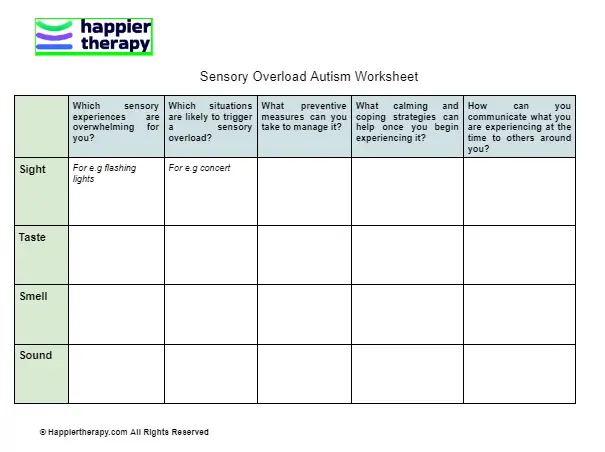
Effective approaches focus on mitigating triggers, offering sensory modulation options, and empowering self-regulation. These strategies are most successful when tailored to the individual’s unique sensory profile and preferences.
- Environmental modifications: Creating sensory-friendly spaces can drastically reduce overload. This might involve using noise-canceling headphones, installing soft lighting, or providing quiet zones away from high-traffic areas.
- Structured routines: Predictability reduces anxiety caused by unforeseen sensory events. Visual schedules and advance warnings about sensory experiences help prepare individuals, allowing them to brace for or avoid triggers.
- Sensory diets: These are personalized plans incorporating specific sensory activities designed to regulate the nervous system. Deep pressure, proprioceptive input, or rhythmic movement may calm hypersensitivity or build tolerance over time.
- Assistive tools: Items like fidget toys, weighted blankets, or chewable jewelry provide an outlet for sensory seeking behaviors, offering controlled stimuli that help maintain focus and reduce anxiety.
- Mindfulness and self-awareness: Teaching skills such as deep breathing, grounding techniques, and recognizing early signs of overload empowers self-advocacy and timely intervention.
Supporting Families and Caregivers
The ripple effects of sensory overload touch not only the individual but also their families and caregivers. Understanding the nuanced signs and learning practical interventions grant caregivers the ability to respond effectively rather than react impulsively. This support fosters a nurturing environment where sensory challenges are met with empathy and strategic accommodation rather than frustration.
Education plays a critical role—guiding caregivers to observe patterns, recognize stress indicators, and implement consistent coping mechanisms. Collaboration with therapists and educators specialized in sensory integration can significantly enhance outcomes, ensuring a cohesive support system.
Conclusion: Towards a Compassionate and Informed Approach
Sensory overload in autism unfolds as a complex tapestry woven from distinctive neurological processing and rich sensory experiences. It challenges conventional perceptions by revealing why certain sensory fascinations persist amid overwhelming inputs. Recognizing the signs and understanding the deeper reasons behind sensory responses paves the way for compassionate interventions.
Through environment adjustments, personalized strategies, and empathetic support, sensory overload can be mitigated, enabling autistic individuals to navigate their worlds with greater ease and confidence. The journey demands patience and insight but ultimately cultivates empowerment—restoring harmony where once there was chaos.