

In the vast mosaic of the modern workforce, individuals with autism often find themselves positioned as enigmatic tesserae—pieces that, despite their unique hues and intrinsic value, remain unplaced in the grand design. The autism employment gap is not merely a statistic; it is a persistent echo of systemic barriers, unrecognized talents, and missed opportunities. Understanding why so many on the autism spectrum face unemployment requires a probing exploration beneath the surface, beyond stereotypes and conventional wisdom.
The Unseen Labyrinth: Navigating Employment Challenges
The path to employment for individuals with autism unfurls much like a labyrinth—complex, convoluted, and, for many, overwhelming. Traditional hiring practices often resemble a minotaur’s den, rife with implicit biases and rigid criteria that inadvertently exclude those who do not conform to neurotypical expectations. Standard interviews, for instance, favor polished social skills and rehearsed responses, whereas many on the spectrum communicate and express their competencies through different modalities.
Moreover, the workplace environment can be a sensory minefield. Bright fluorescent lights, incessant background noises, and unpredictable social dynamics can transform a professional setting into a source of anxiety and fatigue. This sensory dissonance frequently contributes to burnout and disengagement, compounding the difficulty of sustained employment.
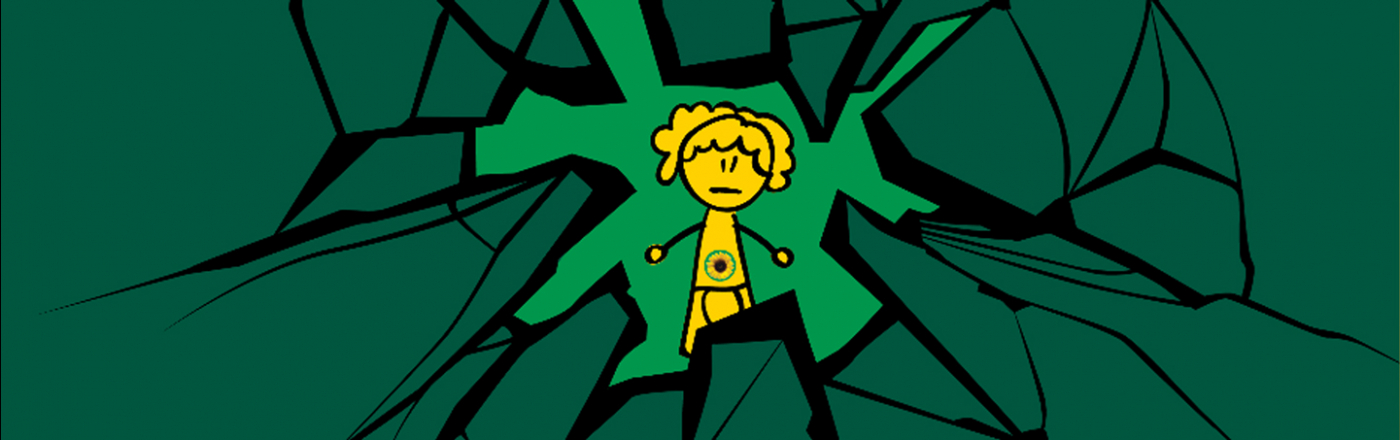
Invisible Strengths: Unique Abilities Overshadowed by Misunderstanding
Beneath the surface of misunderstood social cues and atypical behaviors lies a reservoir of extraordinary talents. Individuals with autism often exhibit meticulous attention to detail, prodigious memory capacities, and unwavering dedication to tasks. These attributes are invaluable assets in domains such as technology, data analysis, quality control, and creative industries.
Unfortunately, these unique strengths are frequently overshadowed by a deficit-focused narrative that centers on challenges rather than capabilities. The prevailing perception frames autism primarily through the lens of limitations, engendering an employment climate that undervalues neurodiverse contributions. This myopic view stymies not only individuals seeking work but also organizations that forfeit the innovation spurred by diverse cognitive styles.
Systemic Barriers: The Gatekeepers of Opportunity
Employment disparities emerge not solely from personal challenges but from entrenched systemic barriers. Educational systems often fail to equip individuals on the spectrum with tailored vocational training and transition services. Consequently, the gap widens when these individuals move from school settings to the workforce, encountering an environment ill-prepared for their integration.
Workplace accommodations, though legally mandated in many regions, remain inconsistently applied and poorly understood. The lack of awareness or reluctance to adapt impedes the creation of inclusive practices that could level the playing field. Objectives like flexible work arrangements, sensory-friendly spaces, and individualized communication methods are not merely perks; they are essential enablers of employment longevity.
Cultural Perceptions and the Stigma Shadow
Beyond logistics and accommodations, cultural perceptions loom large. Stigma surrounding autism perpetuates misconceptions and cultivates apprehension among employers. There exists an enigmatic fear that employing individuals with autism might disrupt workflows or require undue managerial investment. This misconception belies the evidence that neurodiverse workers often exhibit remarkable reliability and problem-solving aptitude when supported appropriately.
Human resources frameworks tend to prioritize homogenization over heterogeneity, valuing conformity in social decorum and communication over authentic human variability. This cultural inertia sustains an employment ecosystem where difference is met with resistance rather than receptivity.

Bridging the Divide: Towards an Inclusive Employment Paradigm
Solutions demand a paradigm shift—one that reconceives employment not as a trial by fire but as a collaborative, adaptive journey. Organizations can champion neurodiversity hiring programs that include mentorship, job carving, and alternative interview techniques sensitive to communicative differences. Such innovations dismantle the labyrinth walls that impede access.
Community partnerships between employers, advocacy groups, and educational institutions form crucial conduits for knowledge sharing and support. By embedding neurodiversity into corporate cultures, businesses do not simply diversify their workforce; they enrich their innovation matrices and broaden their perspectives.
A Future Reimagined: The Promise of Closing the Employment Gap
Imagining a future where the autism employment gap narrows is to envision a workforce as variegated and vibrant as a masterful kaleidoscope. In such a landscape, success is reframed—not as uniformity of talent or approach but as the symphony of unique cognitive melodies harmonizing to produce unparalleled creativity and resilience.
Closing this gap is not an act of charity; it is a strategic imperative that acknowledges the profound contributions that neurodiverse individuals bring to the world of work. As barriers dissolve, the employment narrative for autism can transform from exclusion into empowerment, from isolation into integration.
In the end, the autism employment gap reveals a poignant truth: the magnitude of human potential is not measured by standard molds but by the courage to reshape those molds to embrace all forms of brilliance. By illuminating this path, society moves closer to a genuinely inclusive future where every individual is not a misplaced tessera but an essential stroke in the mosaic of collective accomplishment.












