The quest to find the best schools for autistic children often begins with a simple observation: not all educational environments serve the unique needs of these children equally. This realization sparks a deeper fascination with the intricate mosaic of specialized institutions, tailored curricula, and pedagogical philosophies designed to nurture the potential within every autistic learner. Understanding what distinguishes an exceptional school for autistic children reveals much about the evolution of education, inclusivity, and how society honors neurodiversity.
Understanding the Diverse Needs of Autistic Children
Autism spectrum disorder encompasses a wide range of neurodevelopmental variations that affect communication, behavior, and social interaction. Consequently, schools that aim to serve autistic children must embrace this heterogeneity instead of pursuing a one-size-fits-all approach. The best schools are those that recognize the nuanced profiles of their students, enabling personalized learning strategies that foster growth rather than conformity. This requires an environment where flexibility, patience, and tailored interventions are not just buzzwords but pillars of everyday practice.
For many families, navigating the labyrinthine options for special education can be daunting. The differentiation between public and private facilities, residential versus day programs, and integrated classrooms demands careful deliberation. This underscores the importance of schools investing in multidisciplinary teams—comprising speech therapists, occupational therapists, behavioral analysts, and educators—who craft and adapt individual education plans (IEPs) that resonate with each child’s abilities and learning style.
Characteristics of Top-Tier Schools for Autistic Students
There are several hallmarks that set the best schools apart. Foremost is the commitment to inclusivity paired with rigorous academic standards. Schools excelling in this sphere cultivate an atmosphere where autistic children are respected for their individuality while being challenged intellectually. Many of these institutions leverage evidence-based pedagogies such as Applied Behavior Analysis (ABA), TEACCH (Treatment and Education of Autistic and Communication-Handicapped Children), and sensory integration therapy to create experiential learning opportunities.
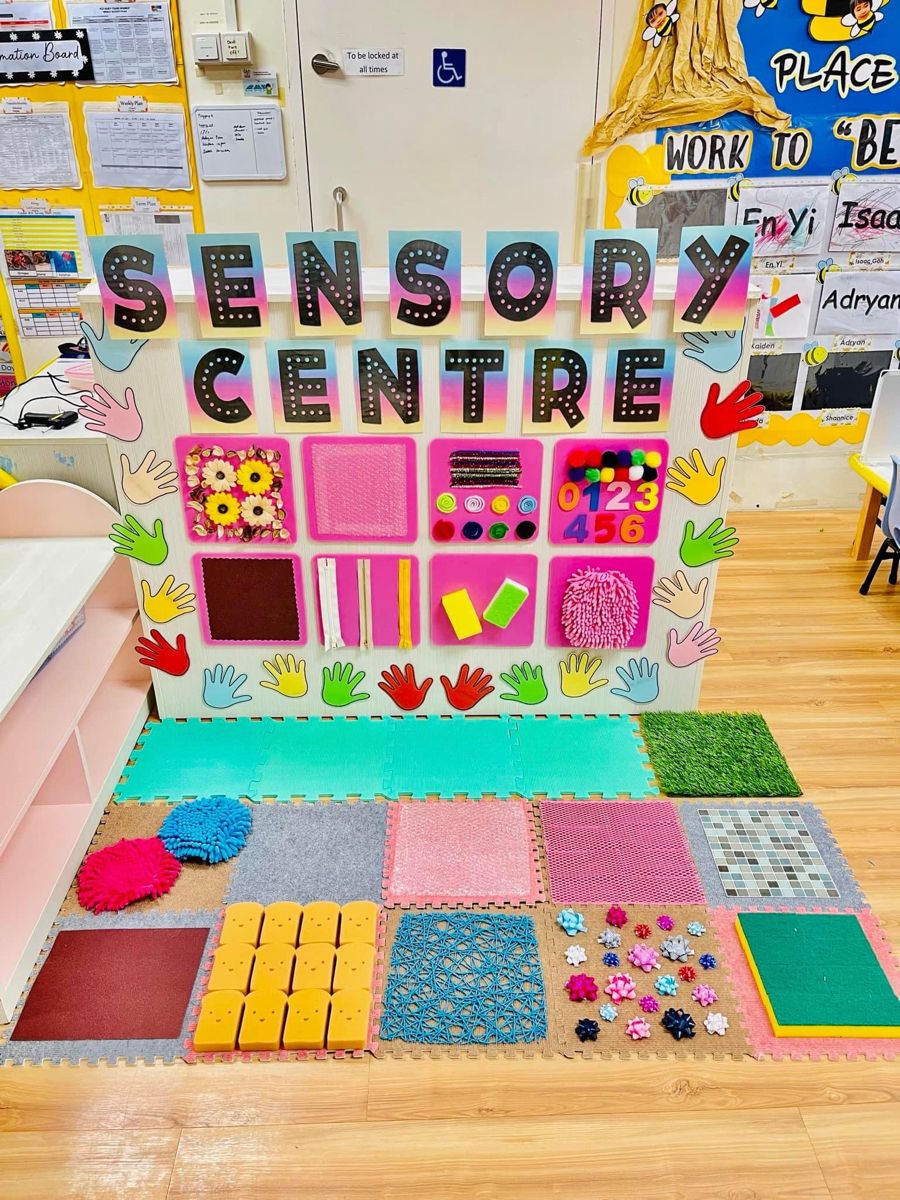
Another defining trait is the physical environment. Classrooms designed for these students often prioritize sensory-friendly layouts: muted colors, minimized noise disruption, and quiet zones where children can decompress. Adaptive technology is seamlessly integrated to aid communication and learning, ensuring that barriers are reduced and engagement is amplified.
Equally vital is the emotional scaffolding offered by compassionate staff trained to understand the social intricacies associated with autism. This includes employing alternative communication methods (such as picture exchange systems or augmentative communication devices), which empower students who may struggle with verbal expression.
Public Versus Private Education: Navigating the Spectrum

One of the perennial debates among parents and guardians is the efficacy of public schools compared to private institutions in delivering specialized education. Public schools, often constrained by funding and standardized mandates, vary widely in their capacity to cater to autistic students. However, many public schools have increasingly incorporated autism-specific programs and employ Special Education Teachers certified in autism spectrum disorders.
Private schools, on the other hand, frequently offer more customized learning environments with lower student-to-teacher ratios and access to a broader array of ancillary services. These schools often operate with greater curricular flexibility and can implement cutting-edge methodologies with fewer bureaucratic hurdles. Yet, private education can come at a substantial financial cost, posing significant barriers to many families.
Ultimately, the choice between public and private sectors depends on the specific needs of the child, family resources, and the availability of quality programs in the local area. The best schools—regardless of funding source—are those that prioritize holistic development, fostering both academic competencies and vital life skills.
Geographical Considerations and Notable Schools

Geography inevitably plays a pivotal role in determining the quality and accessibility of autism education. Certain regions have become havens for excellence in autism-specific schooling, buoyed by government initiatives, philanthropic contributions, and a community-driven approach to inclusion. For example, Australia has witnessed a surge in specialized schools explicitly designed around autistic learners’ needs, featuring innovation in therapeutic integration and family involvement.
Notable schools often serve as incubators for research-backed strategies, pioneering technologies, and training programs for professionals in the field. These institutions not only provide education but also contribute to a broader discourse on best practices and policy recommendations.
Access to transportation, school proximity, and community engagement opportunities further enhance the educational experience. Schools that embed vocational training and social skills development enable smoother transitions into adulthood, underscoring the importance of education beyond academics.
The Role of Families and the Wider Community
The best schools for autistic children recognize that education does not occur in a vacuum. Family involvement is paramount, fostering continuity and reinforcement of learning at home. Schools that embrace parental input and maintain transparent communication channels cultivate trust and partnership, benefiting the child’s overall progress.
Moreover, community inclusion initiatives and extracurricular activities can significantly impact social development, offering autistic children avenues to build relationships, explore interests, and boost self-confidence. The schools that excel often act as hubs, connecting families with support groups, advocacy organizations, and resources that extend well beyond traditional classroom walls.
Conclusion: Toward a Future of Empowerment and Opportunity
The fascination surrounding the best schools for autistic children is remarkable because it reflects a collective yearning for environments where diversity in learning is celebrated and harnessed. These schools represent more than mere institutions; they symbolize progressive philosophies, unwavering compassion, and a commitment to unlocking potential irrespective of diagnostic labels.
Choosing the right school demands thorough research, introspection, and collaboration between families and educators. When done thoughtfully, it lays the foundation for a transformative educational journey—one where autistic children not only learn but thrive, carving out paths toward fulfilling, autonomous lives.
In an era where understanding of neurodiversity continues to deepen, the ongoing refinement of schools dedicated to autistic learners promises brighter horizons, richer societal inclusion, and an embrace of the extraordinary spectrum of human experience.