What truly defines the “best” toy for a nonverbal autistic child? Is it the spark of curiosity, the calmness it instills, or perhaps the bridge it builds toward communication? Selecting toys for children who navigate the world without spoken words can present an intricate challenge—one that demands thoughtful consideration, empathy, and an understanding of their unique modes of interaction.
Understanding the Unique Needs of Nonverbal Autistic Children
At its core, nonverbal autism is characterized by the absence or minimal use of spoken language. Yet, communication transcends speech alone; children express themselves through gestures, expressions, and play. Toys designed with this perspective in mind emphasize multi-sensory engagement and nonverbal interaction, encouraging the child to explore their environment and express individuality.
It’s essential to consider that nonverbal children often experience sensory sensitivities. Toys with harsh textures, loud noises, or overwhelming lights might be more hindrance than help. The best toys will offer a balance—stimulating the senses without causing distress and fostering development without frustration.
Why Sensory-Rich Toys Are Often the Best Choice
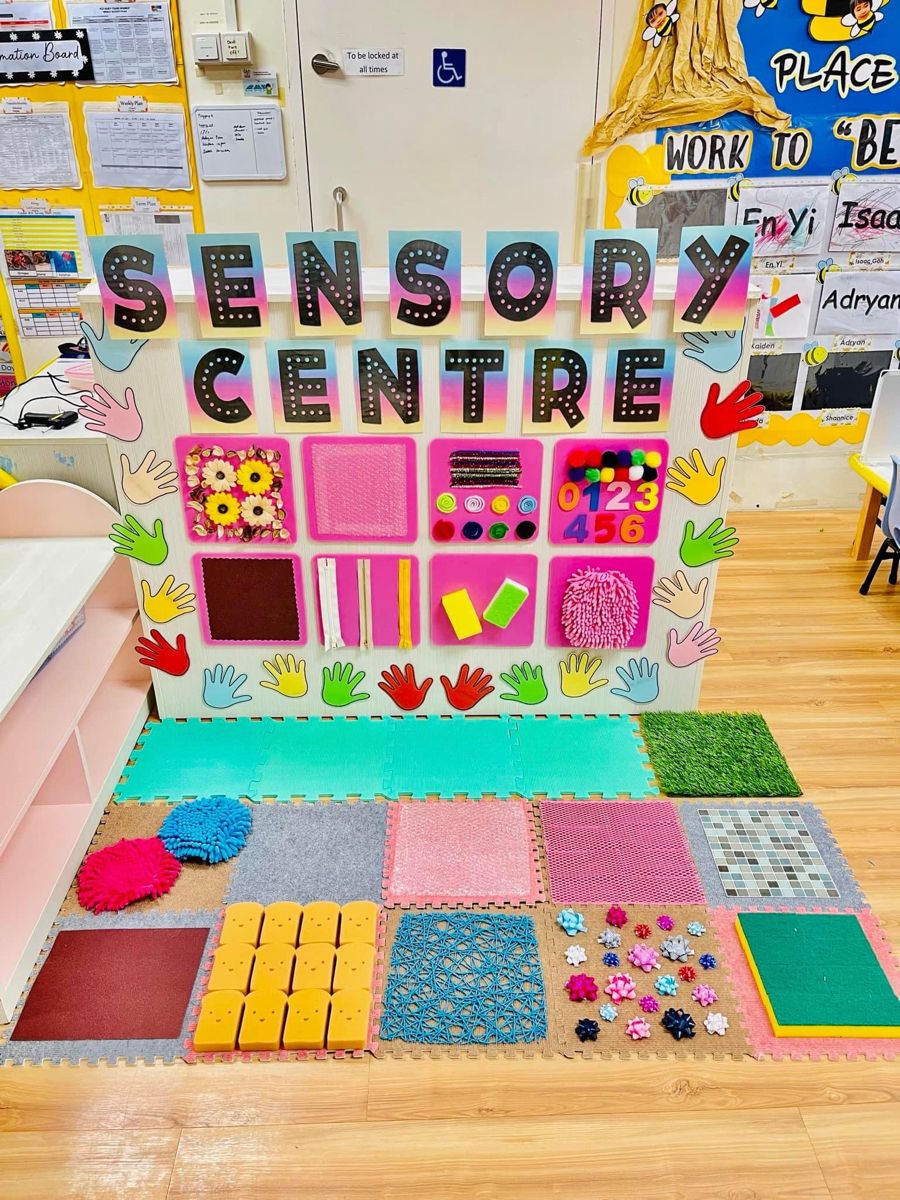
For children who communicate through actions rather than words, sensory toys serve as vital conduits for learning and emotional expression. Items featuring varied textures, soothing vibrations, or gentle colors invite tactile exploration. Through these experiences, children can develop motor skills, enhance sensory processing, and soothe anxiety.
Consider toys such as sensory balls, textured puzzles, or kinetic sand. These not only provide tactile stimulation but also encourage sustained attention. The repetitive motion involved in manipulating these toys can be incredibly calming, serving as a non-verbal language of comfort and focus.
Fostering Social Interaction with Collaborative Playthings
One might wonder: how do toys support social development when verbal communication is limited? The answer lies in the design of toys that encourage shared experiences. Building sets, cooperative board games, or interactive play kits foster engagement between the child and their peers or caregivers, nurturing social reciprocity and turn-taking skills.
LEGO® Creator sets, for example, open a world of creative possibilities. They enable children to construct and reconstruct scenes, sparking imagination in conjunction with others. Through this collaborative engagement, children nonverbally communicate ideas, negotiate roles, and celebrate collective accomplishments.

Visual and Cause-and-Effect Toys: Building Cognitive Connections
Nonverbal children often thrive when they can predict outcomes or directly understand cause and effect. Toys that provide immediate feedback through lights, sounds, or motion are excellent tools for this cognitive connection. Simple electronic toys or puzzles that react to touch empower children to experiment and learn through cause-effect relationships.
These toys also bolster problem-solving skills and foster a sense of achievement, boosting confidence in environments where verbal encouragement may be less frequent. Aim for toys with adjustable settings that allow caregivers to tailor intensity or complexity according to the child’s preference and developmental level.
The Role of Comfort and Familiarity in Toy Selection
It’s no secret that comfort is paramount for children, especially in unpredictable or overstimulating environments. Soft plush toys, weighted blankets, or soothing music players often provide a haven that calms anxiety and fosters a sense of security. These objects, while seemingly simple, can serve as anchors for emotional regulation.
Selecting toys that align with the child’s personal preferences—perhaps a favorite color or texture—can deepen their connection to the item. Familiarity leads to increased engagement and can become a tactile language through which the child expresses mood and needs.
Encouraging Motor Skills Development Through Play
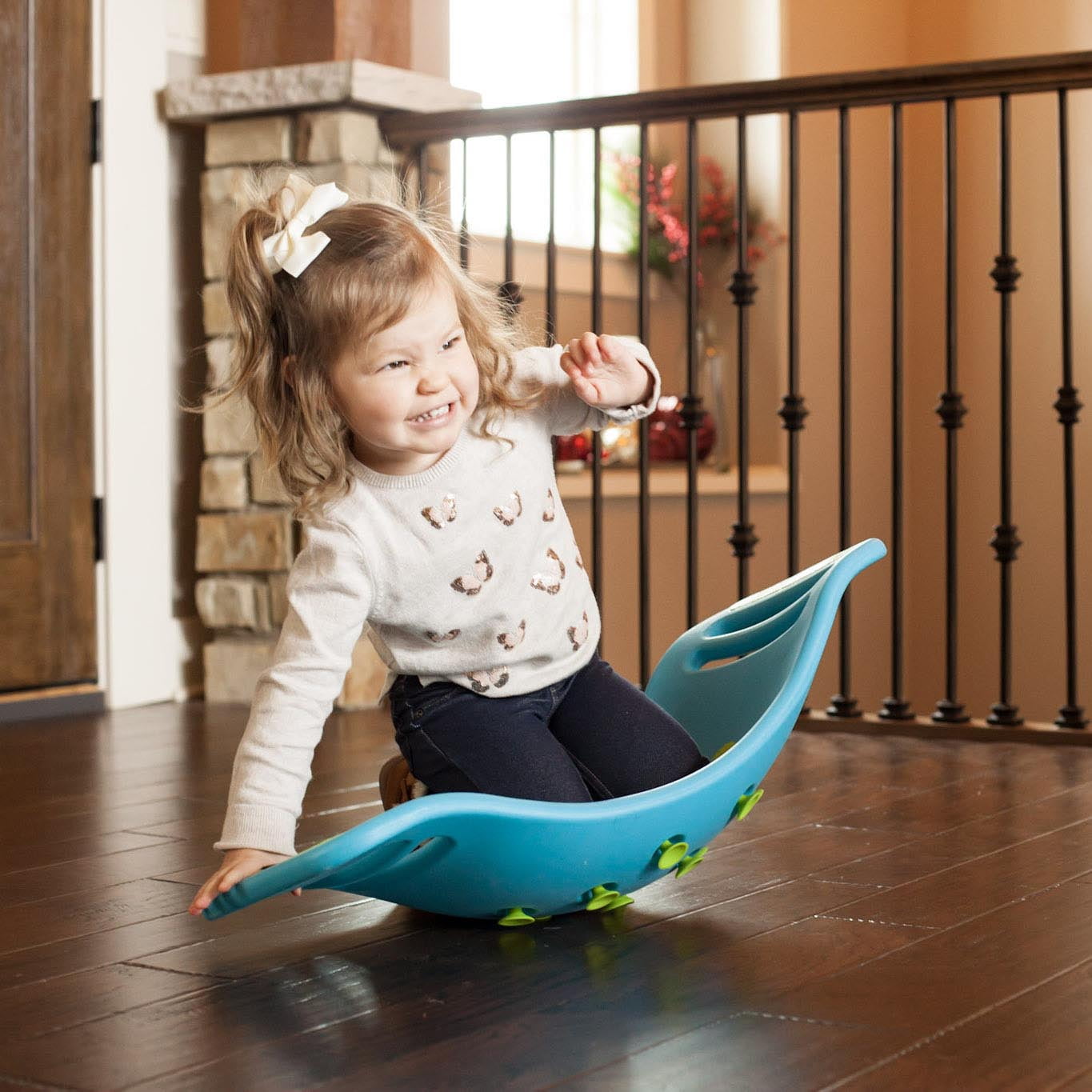
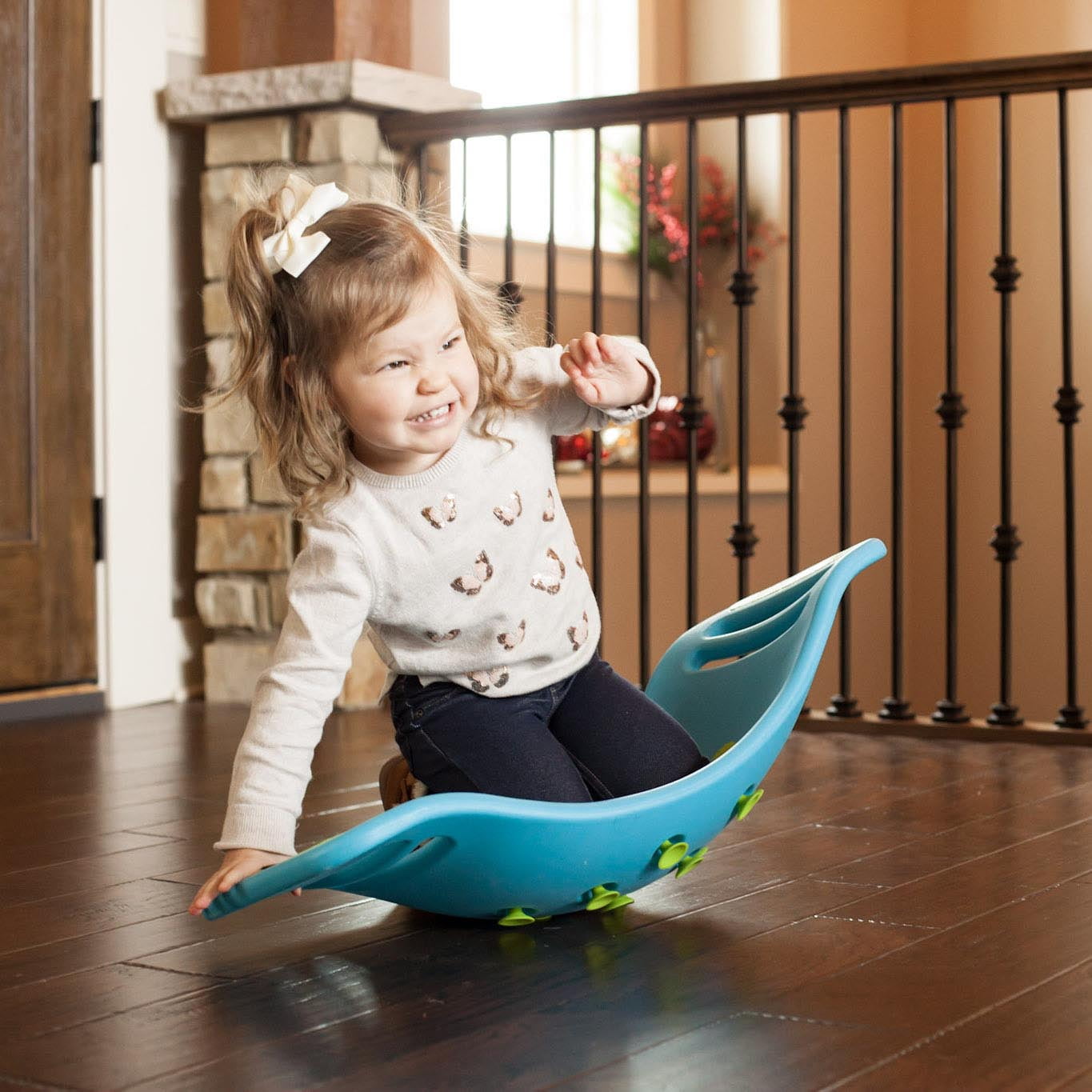
Beyond cognitive and sensory benefits, toys that stimulate both fine and gross motor skills are integral. Activities that involve grasping, stacking, sorting, or balancing enhance dexterity and coordination. For nonverbal autistic children, mastering these physical skills translates to greater independence and increased ability to interact with the environment.
Interactive balls, blocks of varying sizes, and stacking rings are classic examples. Their design simplicity is deceptive; they challenge children to practice control and precision, reinforcing neural pathways while offering the delight of play.

Integrating Technology Thoughtfully in Playtime
Technology has carved out a prominent place in modern child development tools, but for nonverbal autistic children, its use should be intentional and discerning. Tablets with specialized communication apps or interactive storybooks can facilitate learning and alternative communication. These tools turn silent thoughts into expressive narratives.
However, screen time should be balanced with hands-on play to prevent overstimulation. The interaction between digital and physical toys can provide a comprehensive developmental experience, blending tactile engagement with adaptive learning.
Conclusion: Crafting a Playful and Supportive Environment
Ultimately, choosing the best toys for a nonverbal autistic child involves more than a checklist of features. It requires attunement to the child’s unique ways of engaging with their surroundings and an awareness of how toys can serve as bridges—connecting them to their world and to others within it.
From sensory-rich materials to collaborative sets and technology-enhanced tools, the right toys create opportunities for exploration, comfort, communication, and joy. Each choice is a deliberate step toward nurturing growth and fostering connection in a language beyond words.