Have you ever wondered why a seemingly simple activity like sleep can become an arduous quest for children with autism? Sleep, that universal cornerstone of health and well-being, often morphs into a perplexing enigma for families navigating the intricacies of autism spectrum disorder (ASD). The interplay between autism and sleep is intricate, laden with unique challenges that require nuanced understanding and compassionate strategies.
Understanding the Sleep Conundrum in Autism
Sleep disturbances in children with autism are not merely occasional misfortunes but often persistent obstacles that interfere with daily functioning and quality of life. Research suggests that nearly 50-80% of children on the spectrum experience some form of sleep disruption, far exceeding rates observed in neurotypical peers. These issues manifest in various ways, from prolonged sleep onset latency—where falling asleep becomes a Sisyphean task—to frequent night awakenings and fragmented rest.
Such disturbances often exacerbate behavioral challenges, magnify sensory sensitivities, and heighten caregiver stress. The underlying causes are multifaceted, encompassing neurobiological differences, sensory processing anomalies, and challenges with emotional regulation. For instance, atypical melatonin production, a hormone integral to circadian rhythms, has been implicated in irregular sleep patterns among children with ASD.

Sensory Sensitivities and Their Impact on Sleep
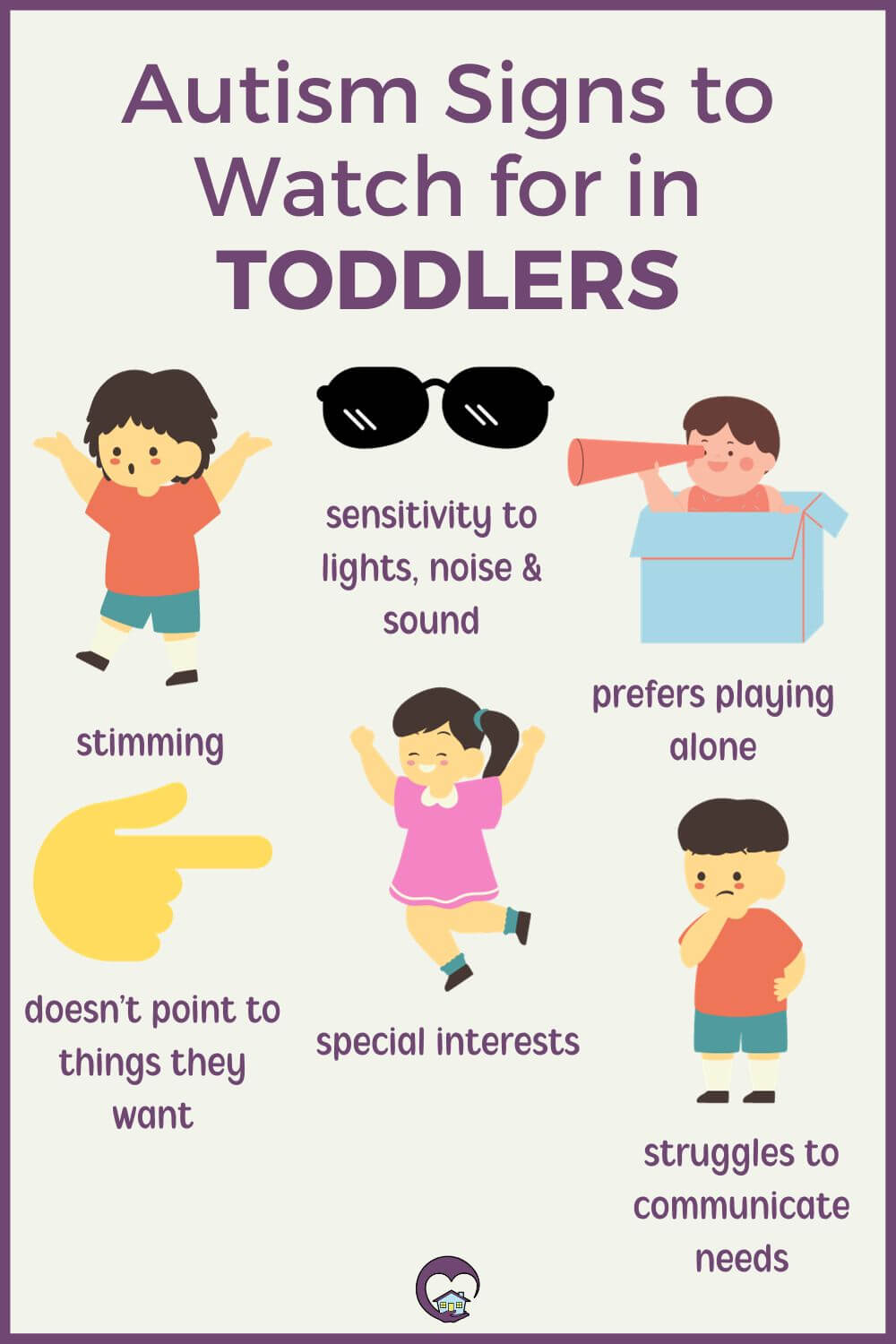
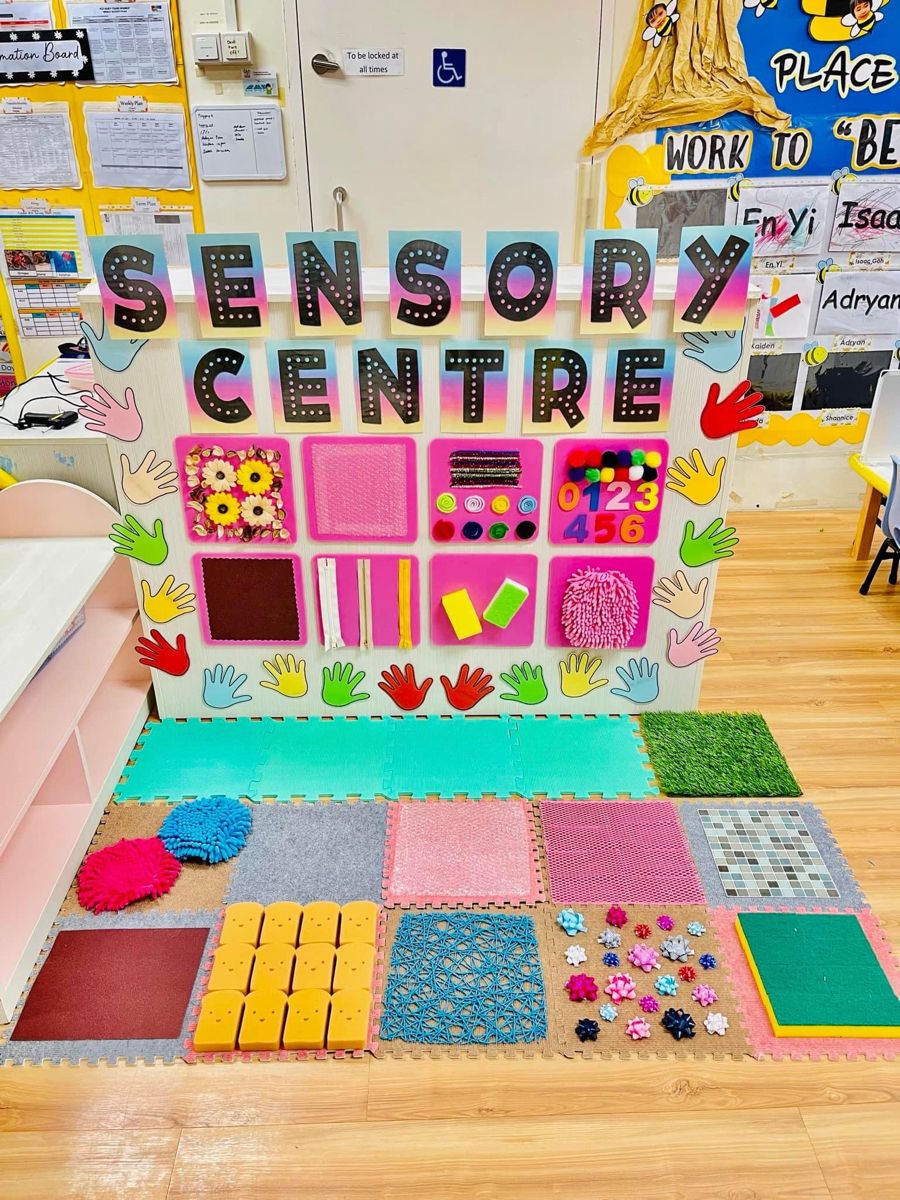
The sensory environment plays a pivotal role in facilitating or hindering the ability to fall asleep and maintain restful slumber. Children with autism often possess heightened sensitivities to tactile stimuli, sounds, and lighting. The subtle texture of pajamas, the faint hum of a fan, or the ambient illumination in a bedroom can be sources of discomfort or agitation.
Consequently, these sensory distortions contribute to prolonged pre-sleep arousal, making bedtime a battleground rather than a sanctuary. Creating a sensory-friendly environment is paramount—think of carefully curated bedding fabrics, noise-canceling devices, and adjustable lighting that align with the child’s preferences and needs.
Behavioral Patterns and Sleep Rituals
In the realm of autism, routines are more than mere habits; they are anchors of predictability in a world often perceived as chaotic. Sleep is no exception. The absence or disruption of consistent bedtime rituals can provoke anxiety, resistance, and insomnia.
Parents and caregivers can harness this need for structure by developing highly individualized sleep routines that signal the approaching transition from wakefulness to rest. These may include calming activities such as reading, gentle massages, or soft music. Consistency is critical—both in timing and sequence—to reduce anticipatory anxiety and fortify the body’s natural circadian cues.

Addressing Sleep Disruptions: Practical Interventions
Given the complex etiology of sleep disturbances in autism, interventions must be multifaceted and tailored. Strategies often begin with behavioral modifications, focusing on reinforcing positive sleep associations and the gradual fading of maladaptive behaviors such as co-sleeping or excessive nighttime parental presence.
Cognitive-behavioral techniques, adapted to the cognitive and communication profiles of children with ASD, can help mitigate insomnia and sleep anxiety. Visual schedules and social stories about bedtime processes are invaluable tools that leverage the strengths of visual processing, fostering understanding and compliance.
Moreover, environmental adjustments—ranging from room temperature control to blackout curtains—can substantially optimize the sleep milieu.
Exploring Pharmacological and Nutritional Supports
When nonpharmacological approaches are insufficient, certain medical interventions may be considered under professional supervision. Melatonin supplementation has garnered attention due to its role in regulating the sleep-wake cycle. Studies suggest that appropriately dosed melatonin can reduce sleep onset latency and increase overall sleep duration in children with autism.
However, such interventions necessitate careful assessment and monitoring, as responses can vary widely. Additional supports, such as magnesium or specialized diets, may complement treatment plans, though robust evidence remains sparse and individualized.
Empowering Families: Advocacy and Support
The burden of persistent sleep difficulties transcends the child, reverberating through family dynamics. Caregiver fatigue, stress, and diminished well-being are frequent consequences. Thus, equipping families with knowledge, resources, and support networks is crucial.
Collaborative care models involving pediatricians, sleep specialists, occupational therapists, and behavioral therapists foster an integrative approach. Support groups and community resources provide emotional sustenance and practical advice, transforming the journey from isolated struggle to empowered advocacy.

Sleep may seem a mundane facet of life, yet for children with autism and their families, it can pose profound challenges and opportunities for growth. Through understanding the unique barriers, implementing tailored interventions, and nurturing resilient support systems, restful nights can gradually replace restless ones. The quest for sleep therefore becomes not only a clinical endeavor but a testament to patience, empathy, and unwavering hope.