
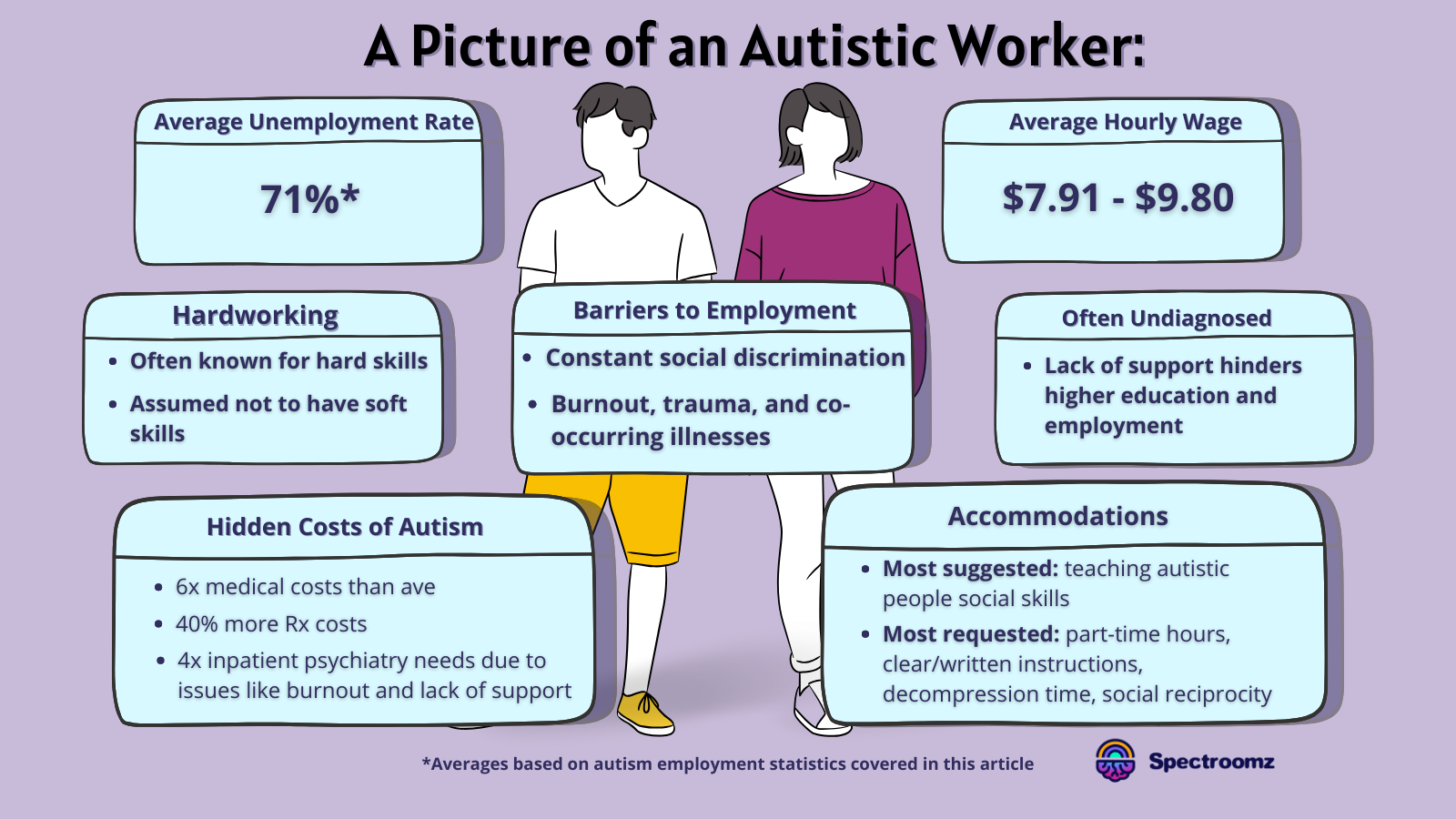
In the evolving discourse surrounding employment, the conversation about inclusivity often brings autism into focus, challenging longstanding norms about what constitutes a “suitable” work environment. This dialogue not only expands our understanding but also invites a transformative reexamination of how workplaces can be designed to harness the unique talents of individuals on the autism spectrum. Rather than viewing employment through a conventional lens, it promises a shift—a compelling recalibration of opportunity and adaptation that piques curiosity and demands thoughtful exploration.
Understanding the Spectrum: Beyond One-Size-Fits-All Employment
The autism spectrum encapsulates a vast array of neurodiverse experiences and abilities, defying monolithic interpretations. Autistic individuals may exhibit extraordinary detail orientation, pattern recognition, or unwavering dedication, yet they often confront systemic barriers that stifle these strengths. The traditional workplace—with its implicit social expectations, sensory demands, and structured hierarchies—can inadvertently marginalize rather than empower.
Recognizing the heterogeneity within autism is paramount. No single work environment fits all; nuances in sensory processing, communication preferences, and executive functioning must guide the crafting of employment settings. This perspective dismantles any residual stereotypes that categorize people with autism into limiting roles, instead positioning them as multifaceted contributors with diverse needs and unparalleled potential.
The Importance of Reasonable Adjustments
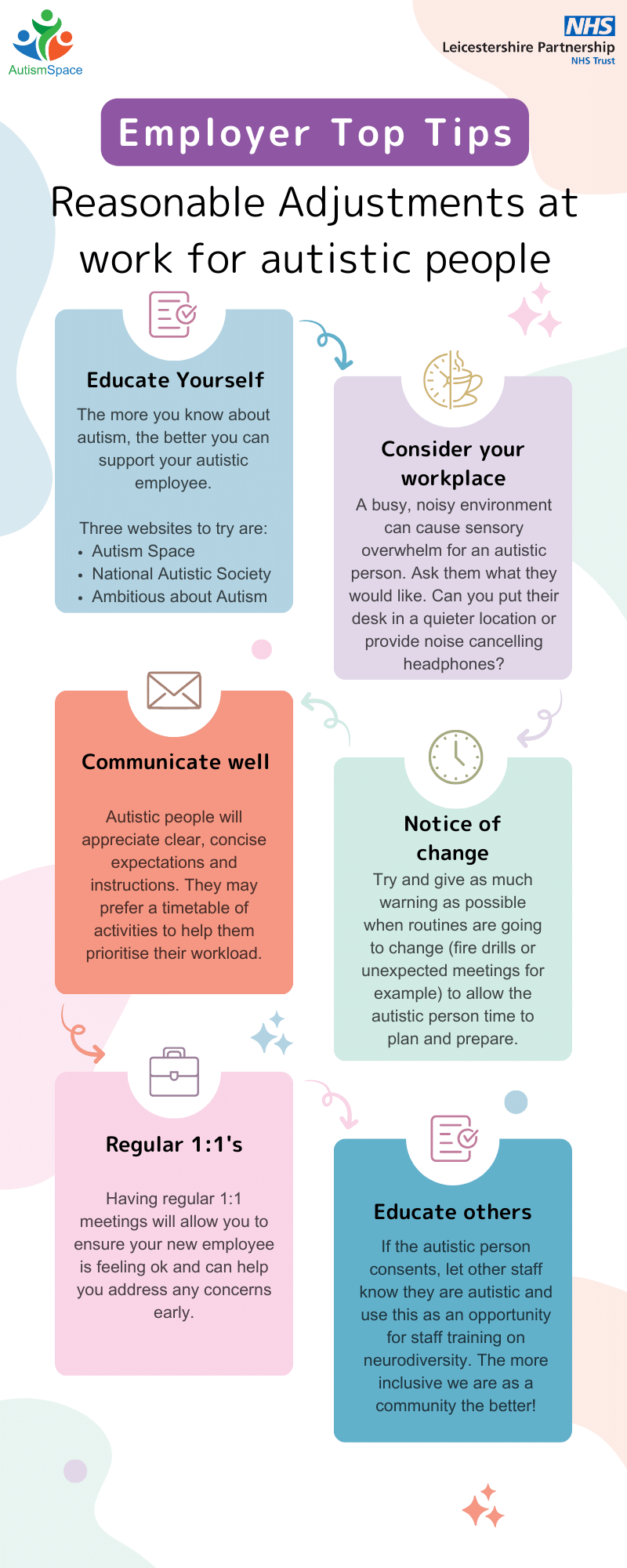
Central to forging suitable employment landscapes are reasonable adjustments, tailored accommodations that enable employees with autism to perform optimally. These modifications span a broad spectrum: from altering lighting and minimizing acoustic distractions to flexible scheduling and restructured workflows that reduce unpredictability. The essence of such adjustments lies in their thoughtful customization.
Introducing these measures cultivates an environment of psychological safety, where employees feel understood and valued. Such an atmosphere fosters not only productivity but also loyalty and engagement, yielding mutual benefits for both the individual and the organization. Moreover, implementing reasonable adjustments signals a company’s commitment to equity, thus fostering a culture of inclusivity that resonates beyond compliance.
Aligning Job Roles With Autistic Strengths
Optimal work environments for autistic individuals emerge when roles are intricately aligned with their intrinsic strengths. For some, this may mean positions that require meticulous attention to detail, such as data analysis or quality assurance. Others may thrive in tasks that demand pattern recognition or task consistency, such as coding or archival work.
Innovative employers recognize that a paradigm shift from “fitting people into jobs” toward “designing jobs around people” unlocks hidden reservoirs of talent. This inversion nurtures creativity and problem-solving acumen, pushing organizations toward operational excellence while fostering employee satisfaction. Empowerment, in this context, transcends mere accommodation; it becomes a strategic advantage.
Environmental Considerations: Crafting Sensory-Friendly Spaces
The physical workspace is more than just a backdrop; it is a dynamic arena in which sensory stimuli profoundly impact concentration, comfort, and ultimately performance. Open offices, bright fluorescents, or ambient noise may overwhelm individuals susceptible to sensory overload. Thoughtful modifications—such as quiet zones, adjustable lighting, and accessible break areas—become indispensable components of an inclusive design.
Technology also offers promising advancements. Noise-canceling headphones, personalized scheduling software, and remote work options can mitigate sensory challenges while enhancing autonomy. These modifications do not imply limitations but rather expand the boundaries of possible work arrangements, enhancing adaptability across diverse contexts.
Fostering Inclusivity Through Training and Awareness
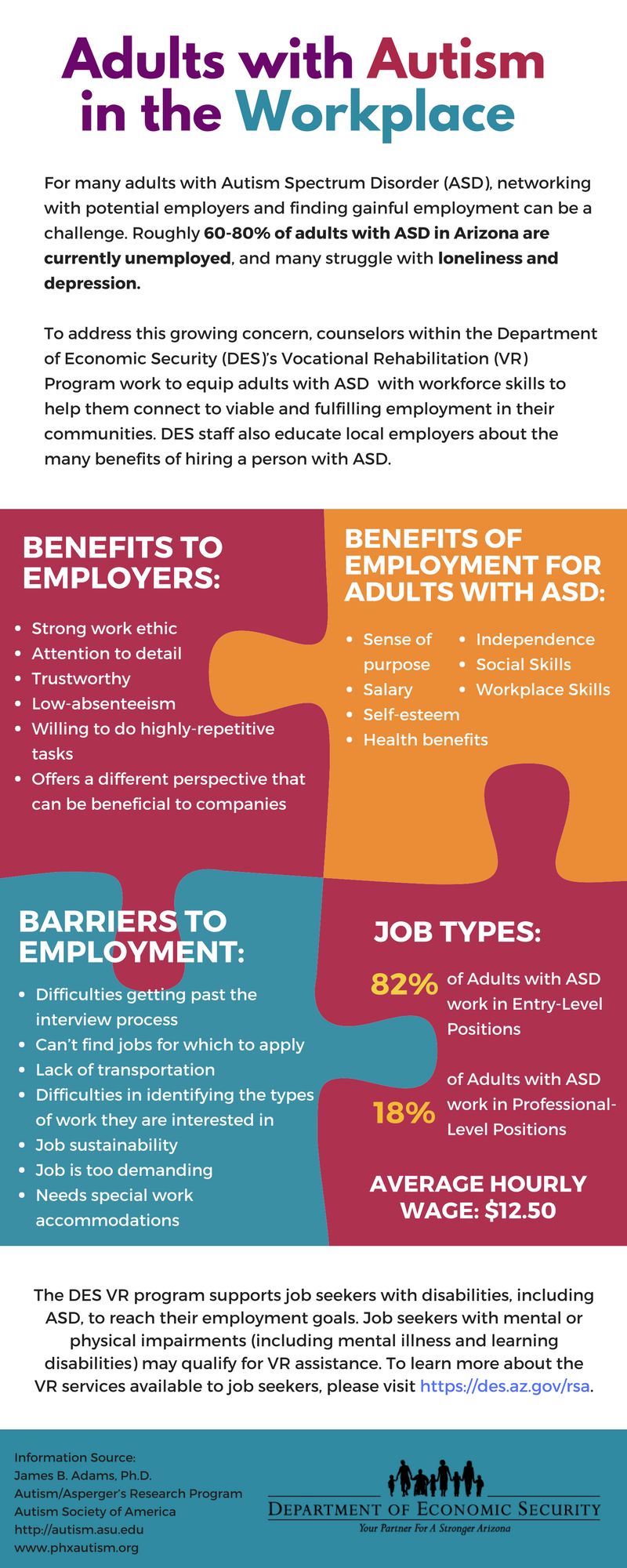
Integral to sustainable inclusivity is organizational education. Sensitizing managers and colleagues fosters empathy and dismantles misconceptions that may inadvertently alienate autistic workers. Training programs focusing on communication styles, behavioral understanding, and collaborative techniques encourage a culture of respect and adaptability.
Simultaneously, peer support networks and mentorship programs catalyze social integration, providing scaffolding that balances independence with community connection. When awareness permeates every level of an organization, it seeds enduring change that nurtures innovation and resilience.
The Transformative Power of Leadership Commitment
Leadership commitment transcends policy enactment; it embodies vision and accountability. Companies led by executives who prioritize neurodiversity exemplify how top-down support can alter recruitment, retention, and advancement practices, ensuring autistic employees are not only hired but thrive and progress.
This commitment often manifests in strategic partnerships with autism advocacy groups, data-driven assessments of workplace practices, and transparent communication channels. Such enterprises become beacons, exemplifying how embracing neurodiversity can catalyze organizational growth and societal contribution.
Conclusion: Reimagining Employment as a Collaborative Journey
The exploration of autism and employment unveils a transformative paradigm—a call to reimagine work as a flexible, responsive ecosystem that values difference as a source of innovation rather than a deficit to be managed. Finding the right work environment for autistic individuals is more than a logistical challenge; it is an ethical imperative that reshapes our collective understanding of human potential.
As organizations embrace this ethos, they participate in a profound cultural evolution, one that celebrates neurodiversity and unlocks unprecedented possibilities. This journey demands curiosity, commitment, and creativity but ultimately invites us to co-create workplaces where every individual’s strengths can flourish, enriching both business and society.












