Sleep disturbances are a prevalent concern within the autism spectrum disorder (ASD) community, profoundly affecting not only individuals diagnosed with autism but also the families around them. Such challenges extend beyond mere difficulty falling asleep; they encompass a broad range of disruptions that can severely influence cognitive function, behavior, and overall quality of life. Understanding the multifaceted causes of sleep problems in autism is pivotal to identifying pragmatic, tailored interventions that restore restful nights and improve daytime functioning.
Understanding the Complexity of Sleep Issues in Autism
Sleep difficulties in autism manifest in various forms, from insomnia and frequent night awakenings to parasomnias and circadian rhythm irregularities. These disturbances are not uniform; rather, they present a spectrum of irregularities influenced by neurological, sensory, and behavioral factors intrinsic to ASD. The prevalence of sleep disorders among autistic individuals exceeds that of the neurotypical population, underlying the necessity for comprehensive insight into the interplay between autism and sleep physiology.

At the neurobiological level, irregular melatonin synthesis and secretion play a critical role. Melatonin, a hormone responsible for regulating the sleep-wake cycle, is often deficient or improperly released in individuals with autism, leading to disrupted circadian rhythms. Additionally, heightened arousal and anxiety, common within ASD, exacerbate difficulties initiating and maintaining sleep. This hyperarousal can intensify sensitivity to environmental stimuli, further fracturing restorative sleep.
Sensory Processing Differences and Their Impact on Sleep
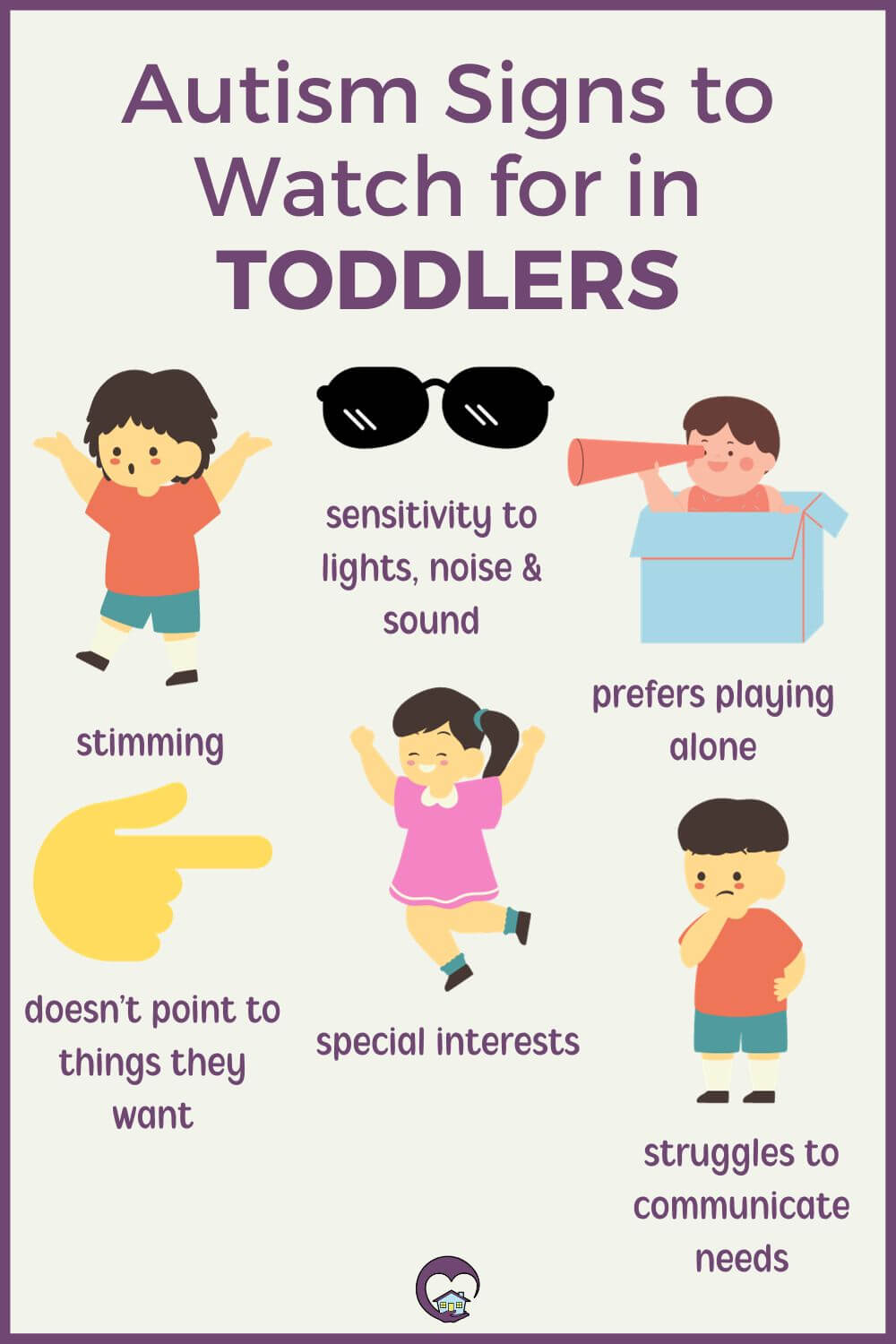
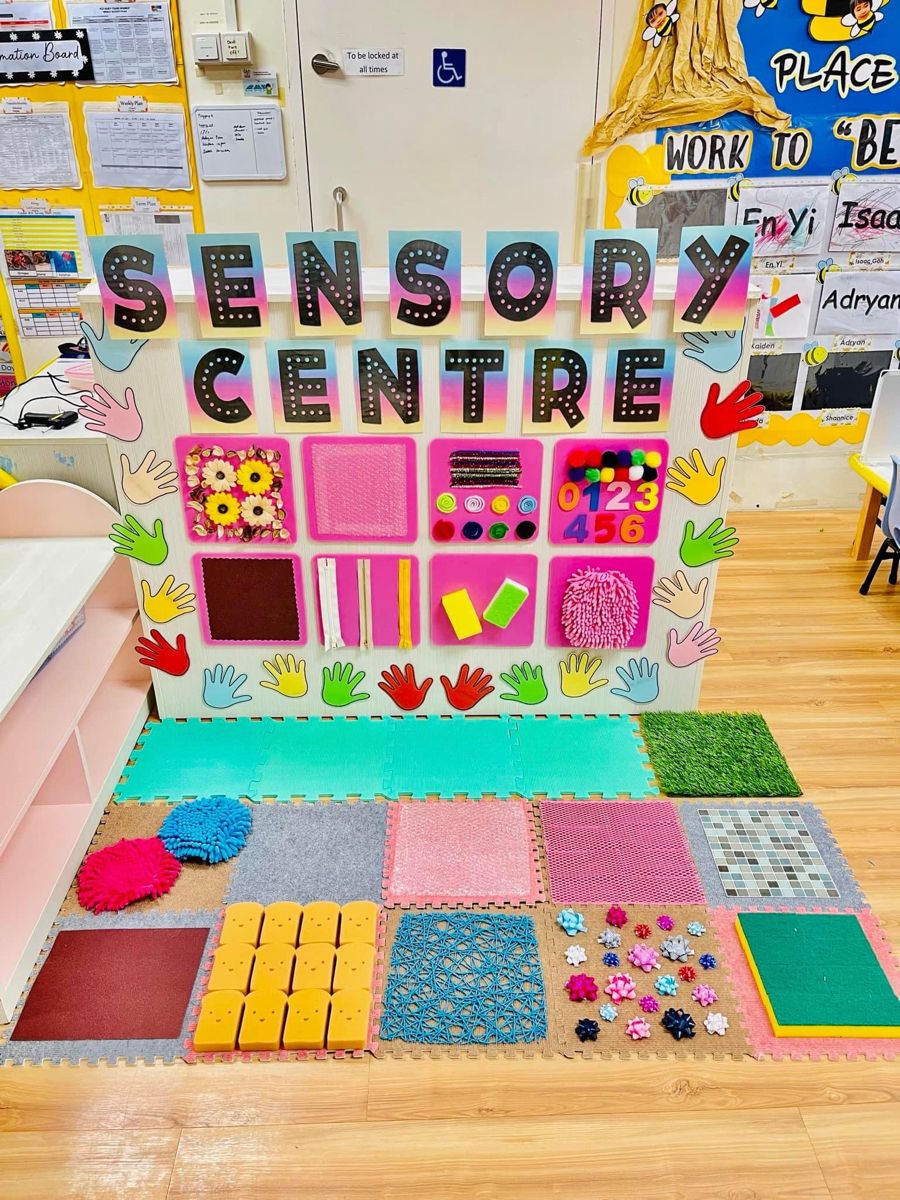
Sensory integration challenges inherent in autism compound sleep difficulties, as individuals frequently exhibit hypersensitivity or hyposensitivity to touch, sound, light, and temperature. Such sensory dysregulation can render common bedroom environments distressing, preventing adequate relaxation needed for sleep onset. For example, an overstimulating noise or the tactile feel of certain fabrics might provoke discomfort or agitation, disrupting the ability to settle down at night.

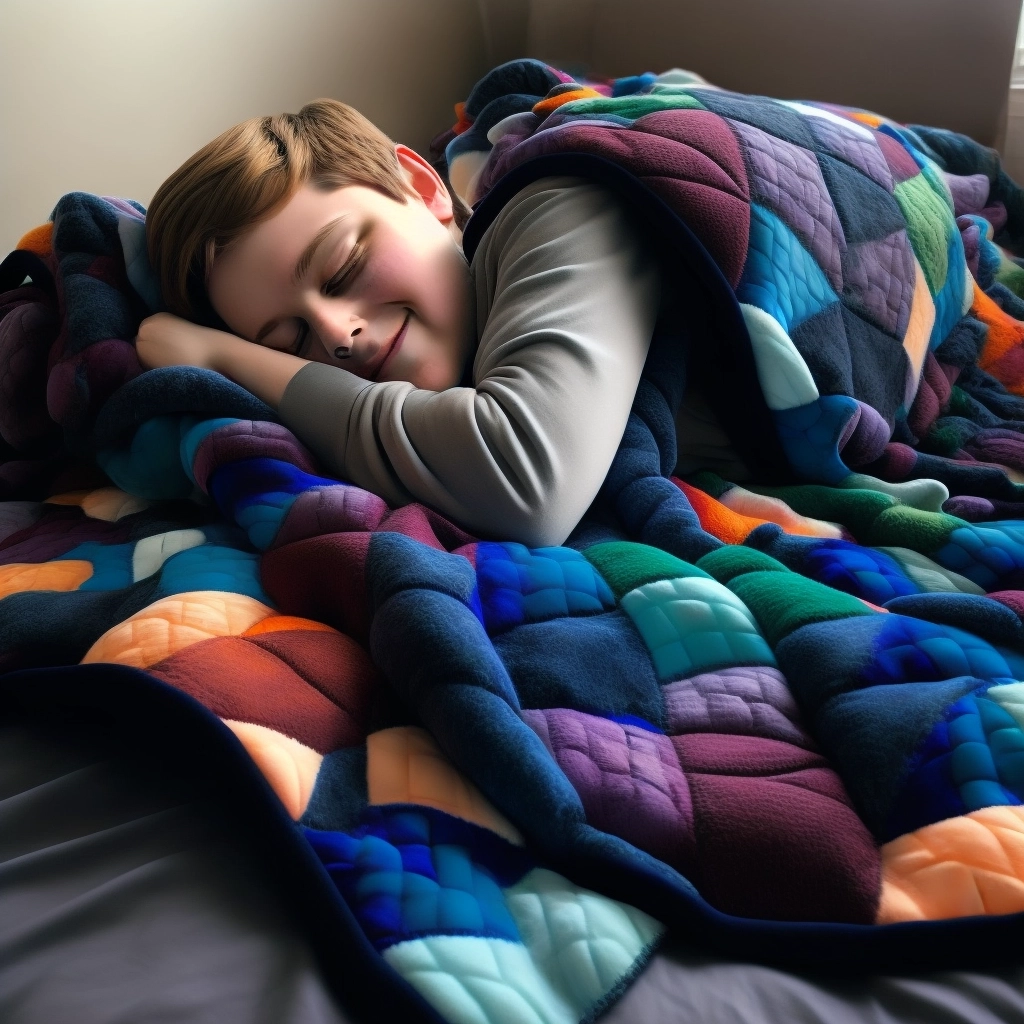
Adaptive strategies must address these sensory challenges directly. Incorporating weighted blankets, noise-canceling devices, and optimized lighting can create a sanctuary conducive to sleep. These tools serve not only to mitigate the disruptive sensory input but also provide calming proprioceptive feedback, helping to regulate the nervous system and promote sleep readiness.
Behavioral Patterns Influencing Sleep in Autism
Behavioral factors intrinsic to ASD also significantly influence sleep architectures. Rigid routines and resistance to change, hallmark features of autism, can interfere with sleep hygiene practices. Bedtime resistance, incomplete understanding of nighttime rituals, and insistence on idiosyncratic ritualistic behaviors complicate the establishment of consistent sleep schedules.
Moreover, comorbid conditions such as anxiety disorders, attention-deficit hyperactivity disorder (ADHD), and gastrointestinal disturbances often coincide with autism and further aggravate sleep disturbances. These conditions can induce nocturnal restlessness, nightmares, or discomfort, fragmenting sleep cycles.
Practical and Therapeutic Solutions for Sleep Disturbances
Addressing sleep problems in autism necessitates a multifaceted approach that integrates environmental adaptations, behavioral interventions, and, when appropriate, medical treatment. Behavioral therapies, particularly those emphasizing sleep hygiene education and gradual desensitization techniques, offer robust utility. Establishing consistent, calming bedtime routines tailored to individual needs can reinforce circadian rhythms and reduce resistance to sleep.

Pharmacological interventions may sometimes be warranted to correct neurochemical imbalances, with melatonin supplements being a frequently prescribed option due to their targeted mechanism of action in regulating the sleep cycle. Nonetheless, medication should be administered judiciously and in conjunction with behavioral strategies.
Emerging therapies, including the use of sensory integration therapy and mindfulness techniques, show promise in improving sleep quality by calming nervous system hyperarousal and addressing sensory sensitivities. In addition, technological innovations such as sleep-tracking devices and apps can assist caregivers in monitoring sleep patterns and optimizing intervention strategies.
Creating a Supportive Sleep Environment
The physical sleep environment profoundly affects the ability to fall and remain asleep. An optimally designed environment takes into consideration lighting that mimics natural dusk, sound levels that minimize sudden disturbances, and bedding materials compatible with sensory preferences. Temperature regulation is equally vital, as many with autism exhibit greater sensitivity to temperature fluctuations.
Incorporating visually soothing elements, such as dimmable lights or calming color schemes, can foster relaxation. Reducing electronic distractions, which may interfere with melatonin production due to blue light exposure, is critical. Sensory-friendly bedrooms provide a personalized retreat that anticipates and accommodates the unique needs of individuals with autism.
Family and Caregiver Support in Managing Sleep Problems
The ripple effect of sleep problems extends beyond the autistic individual, impacting family dynamics and caregiver well-being. Educating caregivers about the underlying causes and effective interventions empowers them to implement consistent strategies with patience and understanding. Peer support groups and professional counseling can alleviate caregiver stress and promote resilience, contributing indirectly to improved sleep outcomes.
Collaborative approaches involving multidisciplinary teams—comprising pediatricians, neurologists, occupational therapists, and behavioral specialists—ensure comprehensive care. Individualized sleep action plans that encompass medical, sensory, and behavioral components can optimize the chances for sustained progress.
Conclusion: Navigating the Path to Restful Nights
Sleep problems in autism represent a complex challenge characterized by diverse etiology rooted in neurobiology, sensory processing, and behavior. However, a holistic understanding fuels the development of personalized solutions that combine environmental adjustments, behavioral modifications, and targeted therapies. Restful sleep is not merely a luxury but an essential pillar supporting daytime functionality, emotional regulation, and overall health.
Through informed interventions and compassionate support, it is possible to alleviate sleep disturbances, thus enhancing quality of life for individuals with autism and their families. Continual research and innovation promise further insights, offering hope for increasingly effective strategies to conquer this pervasive issue.