Envision the mind as a vast symphony orchestra, filled with an array of instruments—some play loudly, others softly, some in harmony, and others in seeming dissonance. Autism can be likened to a unique composition within this symphony, a piece that doesn’t always follow the conventional score yet resonates with its own distinctive rhythm. Music, in this metaphorical landscape, acts as both a conductor and a bridge, unlocking new avenues for growth and connection in individuals with autism. The potent interplay between sound and brain, rhythm and emotion, creates an exquisite tapestry of possibilities, offering not merely therapeutic intervention but a vibrant language of its own.
Unraveling the Musical Mind: Autism’s Intricate Neurological Pathways
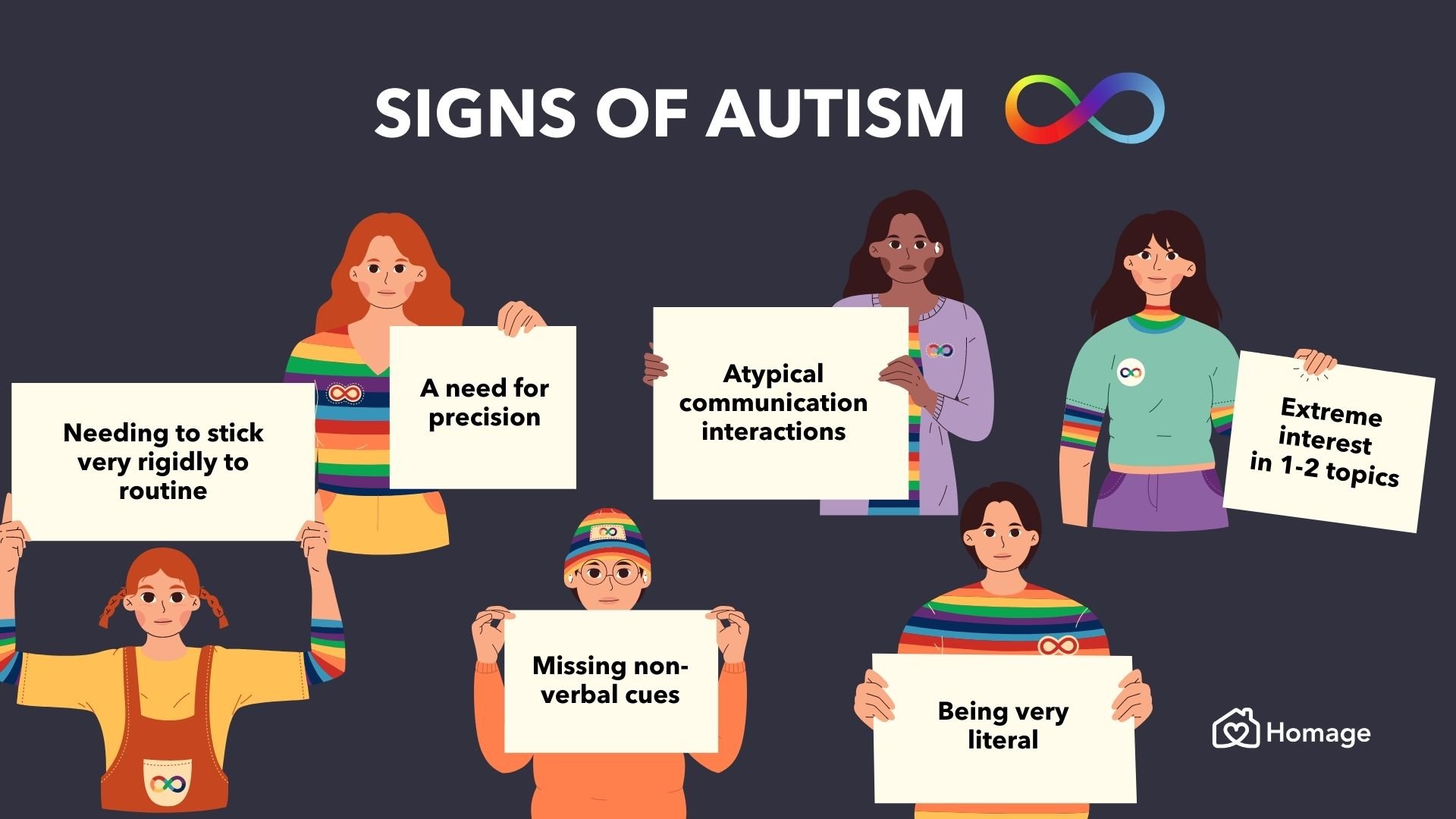
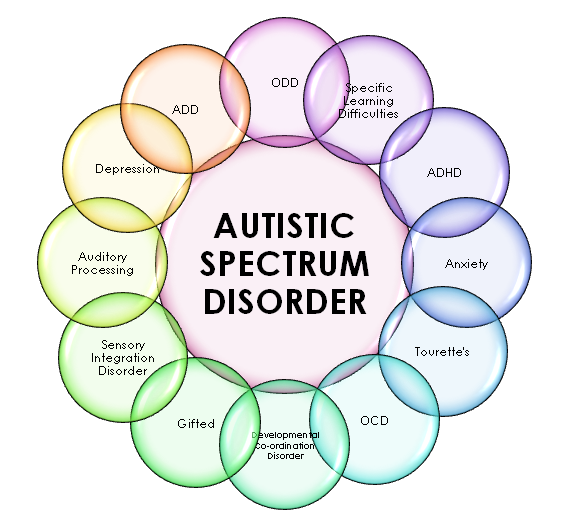
Autism spectrum disorder is characterized by diverse neurodevelopmental patterns, often marked by challenges in communication, social interaction, and sensory processing. Yet, within these variations lie remarkable strengths—heightened sensitivity to auditory stimuli and an affinity for patterns and repetition stand out. These traits render music an especially compelling modality for engagement and development.
The brain of someone with autism often perceives and processes sound differently. This divergence can be a double-edged sword, sometimes leading to sensory overload, yet simultaneously creating a profound responsiveness to rhythmic and melodic stimuli. This paradox is where music therapy finds its foothold—melding structured sound with emotional resonance to scaffold learning and expression.
Music as a Portal to Communication and Expression
Language, for many with autism, presents a formidable labyrinth. Traditional verbal expression can be fraught with barriers, making connection arduous. Music, however, introduces a nonverbal dialect rich with nuance and emotional texture. Through rhythm and melody, individuals often discover alternative outlets for sharing thoughts, desires, and emotions.
Structured musical activities, such as singing or playing instruments, nurture turn-taking skills and foster social reciprocity. These exchanges can mirror conversational rhythms, allowing participants to practice timing, intonation, and emotional conveyance within a safe, inviting context. The predictability embedded in songs and rhythms reassures, while improvisation invites creativity and spontaneity—an exquisite balance that cultivates confidence and communicative competence.
Neurological Synchrony through Music: Building Cognitive Bridges
The brain’s plasticity is remarkable; it is constantly rewiring and adapting, especially in early development. Music serves as a compelling catalyst for this neuroplasticity. Engaging with music stimulates multiple brain regions simultaneously—auditory, motor, emotional, and cognitive centers—thereby enhancing multisensory integration.
For individuals on the spectrum, this multisensory engagement can translate into improvements in attention, memory, and executive functioning. The repetitive patterns inherent in music provide a scaffold to strengthen neural pathways, supporting skills like sequencing and pattern recognition. Regular musical interaction can lessen anxiety and sensory defensiveness, creating a calmer internal environment conducive to learning and interaction.

The Transformative Impact of Music Therapy: Techniques and Outcomes
Music therapy, a specialized clinical discipline, harnesses the power of music to meet individualized developmental needs. Unlike passive listening, therapy is an interactive, dynamic process tailored to promote communication, social skills, motor coordination, and emotional regulation.
Techniques include improvisation on instruments, singing familiar or preferred songs, songwriting, and rhythmic exercises. These methods are selected with precision to align with developmental goals, whether the focus is on joint attention, verbal expression, or sensory modulation.
Outcomes from empirical studies reveal striking benefits: enhanced verbal communication, increased social engagement, and improved emotional self-regulation. The rhythmic components enhance motor planning and coordination, helping with fine and gross motor activities. Beyond measurable skills, music therapy often ignites joy and motivation—emotions that fuel perseverance and growth.
Bridging Worlds: Music’s Role in Family and Community Dynamics
Music’s reach extends beyond individual development, weaving threads of connection within families and communities. Shared musical moments foster intimacy, mutual understanding, and celebration of individuality. Parents and caregivers often describe music as a common language that transcends frustration and misunderstanding, bringing family members into harmonious alignment.
Community music programs and inclusive ensembles open social doors, allowing individuals with autism to participate actively in cultural narratives. These experiences not only enhance social skills but also bolster self-esteem and a sense of belonging, which are essential for holistic development.

Embracing the Unique Composition: The Future of Music and Autism
The relationship between music and autism is an ever-evolving symphony, rich with unexplored textures and harmonies. Advancements in research continue to unveil the profound neurological and psychological benefits of musical engagement, pointing toward increasingly personalized therapeutic interventions.
As technology integrates with therapy—through apps, virtual instruments, and adaptive devices—accessibility and customization will expand. This promising horizon encourages a vision where every individual can participate fully in the symphony of human expression, guided by the unifying power of music.
Ultimately, music’s role in supporting development in autism transcends mere therapy—it is an art form, a language, and a bridge. It offers a realm where individuals can shine with their unique brilliance, crafting melodies not only heard but deeply felt. In this shared musical journey, development is not simply measured in milestones, but in moments of authentic connection and profound understanding.