Many parents of children on the autism spectrum often find themselves navigating complex educational landscapes, grappling with one fundamental question: “Does my child need an Individualized Education Program (IEP)?” This inquiry is more than a procedural step; it exposes a nuanced interplay between observed behaviors, developmental needs, and the aspiration to provide tailored support that fosters growth. Understanding when an IEP becomes necessary is not always straightforward. It requires keen observation, awareness of developmental milestones, and insight into how autism uniquely shapes learning and social engagement.
Recognizing the Signs: When Everyday Challenges Signal a Need for Support
Children with autism often exhibit a diverse spectrum of behaviors and learning styles. Some may thrive within a traditional classroom setting, while others encounter persistent difficulties that impede their academic progress or social integration. A pivotal indication that an IEP might be necessary emerges when parents and educators observe patterns of struggle, despite consistent intervention efforts.
These challenges can manifest as difficulty with communication—such as limited verbal expression, challenges in understanding social cues, or trouble following multi-step instructions. Additionally, repetitive behaviors or intense focus on narrow interests could inadvertently limit classroom participation or peer interaction.
When such observations arise, it is imperative to consider that they might not merely be developmental variations but rather indicators of an underlying need for specialized instructional strategies and accommodations designed to align with the child’s unique neurological profile.
The Deeper Educational Implications Behind Observable Behaviors
Beyond surface-level behaviors lies a labyrinth of cognitive and sensory processing differences that impact a child’s ability to engage fully with standard curricula. Autism often affects executive functioning, which encompasses essential skills like organizing tasks, managing time, and transitioning between activities. These hidden challenges can cause academic underperformance, frustration, or withdrawal, even if the child’s intellectual capabilities are intact or above average.
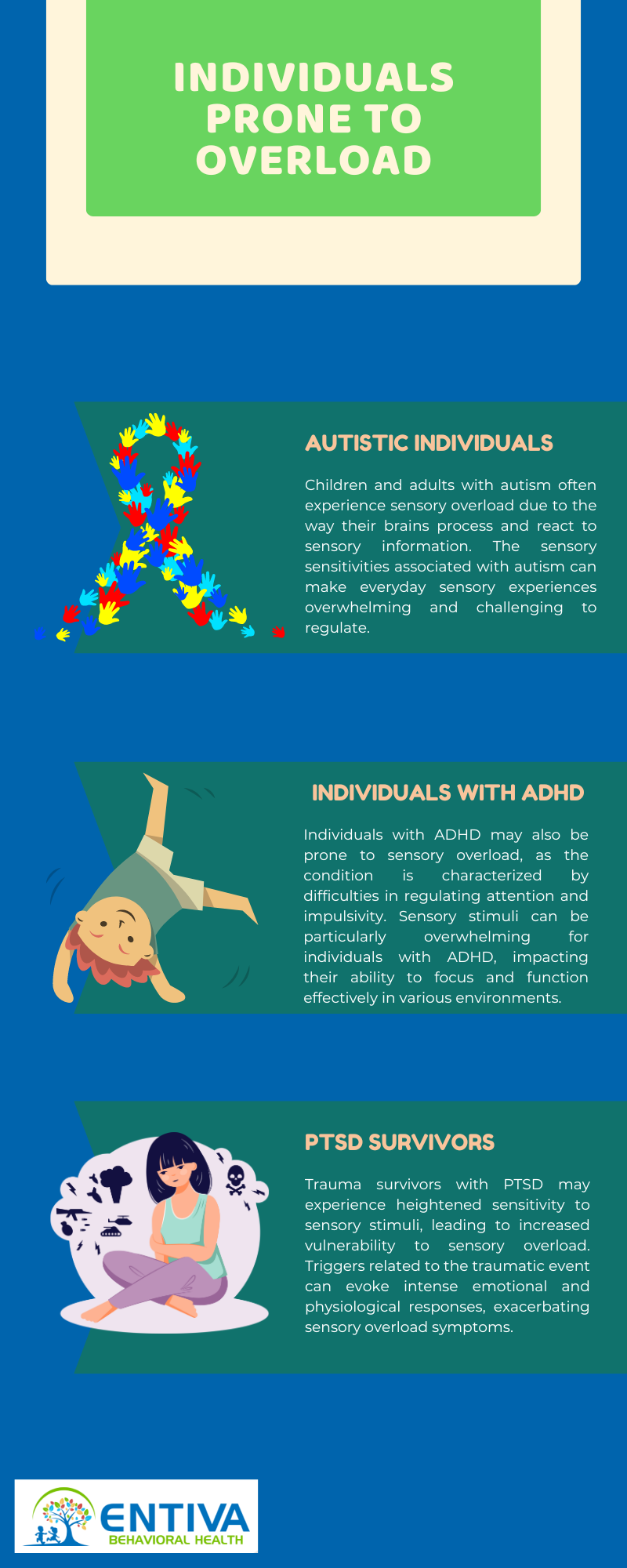
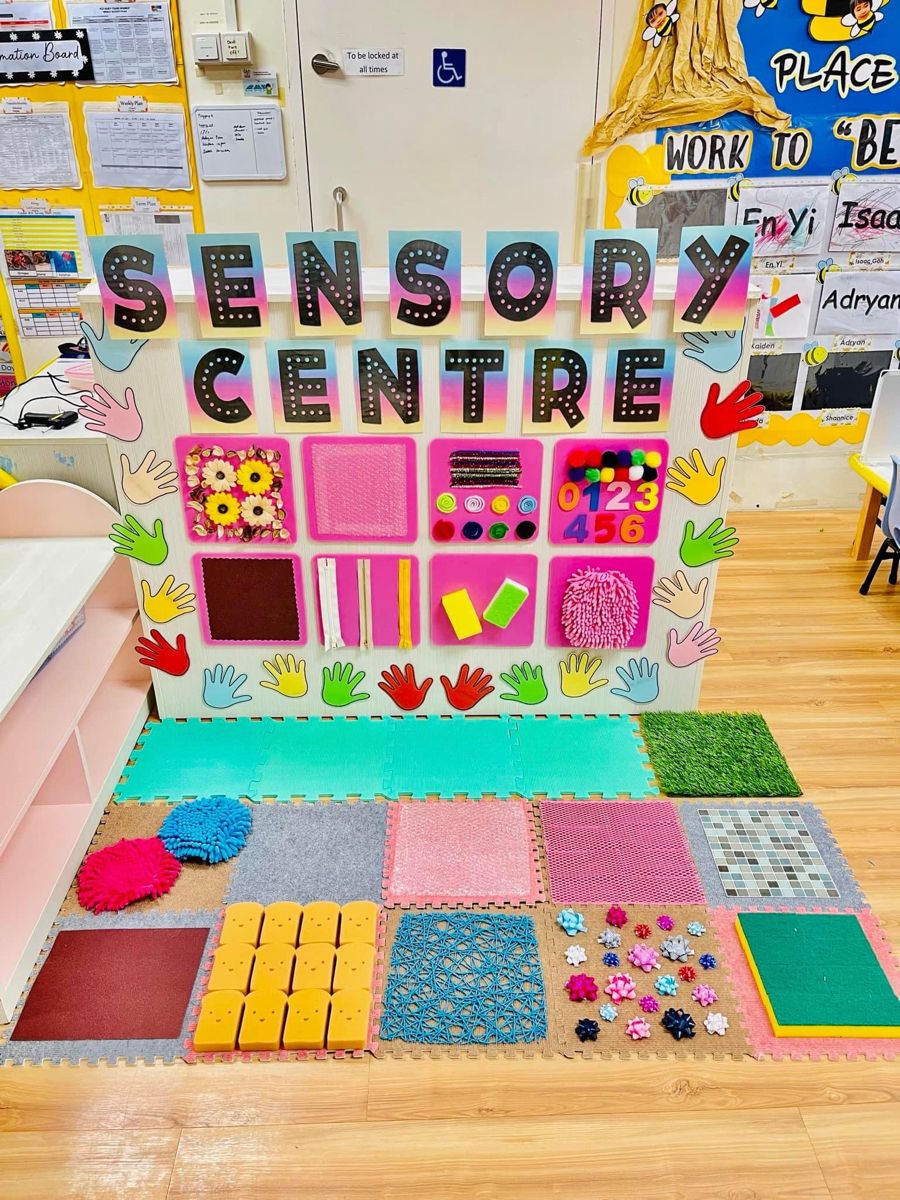
Moreover, sensory sensitivities play a profound role. An ordinary classroom environment may overwhelm certain children due to noise, lighting, or tactile stimuli, affecting their ability to concentrate and learn effectively. Such nuances hint at the necessity for an educational framework that recognizes and adapts to these sensory needs, which an IEP can meticulously outline.

Understanding the Formal Criteria for IEP Eligibility
Determining eligibility for an IEP involves a structured assessment process. Educational professionals typically evaluate whether the child’s disability substantially limits one or more major life activities, including learning. Autism is recognized as a qualifying condition under the Individuals with Disabilities Education Act (IDEA), but the mere diagnosis alone does not guarantee an IEP. The critical factor remains the functional impact on educational performance.
Assessments may include observations, standardized testing, and input from multidisciplinary specialists such as speech therapists, occupational therapists, and psychologists. This comprehensive evaluation ascertains the child’s specific needs, strengths, and areas requiring targeted support.
When the evidence confirms that specialized instruction or related services are essential for the child to access the curriculum meaningfully, the IEP becomes the legally binding document outlining individualized goals, accommodations, and supports.
Collaborating with Educators: The Role of Advocacy and Communication
Parents play a crucial role in the IEP journey. Starting dialogues with teachers and school administrators can illuminate how the child functions in various educational settings. Open communication helps identify discrepancies between potential and performance, and fosters collaborative decision-making regarding intervention strategies.
Observations from home also enrich this dialogue. Parents might notice interactions or behaviors that are less visible to educators, such as difficulties with homework completion or signs of anxiety related to school demands. These insights bridge gaps in understanding and reinforce the necessity for personalized educational planning.
This partnership lays the groundwork for a more accurate and responsive IEP, tailored not only to academic challenges but also to social, emotional, and behavioral dimensions.
Key Components of an Effective IEP for Children with Autism
Once eligibility is confirmed, the formulation of the IEP involves crafting objectives that reflect the child’s developmental trajectory and aspirations. Because autism manifests in myriad ways, goals must be intelligible, measurable, and relevant to the child’s daily experience.
These goals often extend beyond traditional academics to encompass social skills, communication enhancement, sensory integration, and self-regulation strategies. For example, an IEP may include structured activities to practice turn-taking, use of assistive technology for communication, or scheduled sensory breaks to mitigate overload.
In essence, the IEP becomes a dynamic blueprint—a roadmap guiding educators and caregivers in orchestrating an environment where the child’s potential can unfold with intentional support.

When an IEP Is Not Immediately Necessary: Considering Other Supports
Not all children on the autism spectrum require an IEP from the outset. Some may benefit initially from less formal accommodations, such as a 504 Plan, which offers supports without altering the fundamental curriculum. Others might thrive with targeted behavioral interventions or therapy services without needing specialized instruction.
Continual monitoring is essential. Early intervention programs, speech therapy, or occupational therapy might suffice for certain phases, but as the child grows and academic demands increase, the necessity of an IEP might emerge. Staying vigilant to evolving needs ensures timely reassessment and adjustment of educational strategies.
Embracing the IEP as a Collaborative, Evolving Tool
Ultimately, an IEP is not a one-size-fits-all solution but a living document that must be revisited and revised to accommodate changes in the child’s development, abilities, and educational environment. This iterative process embodies a commitment to fostering resilience, independence, and success.
Parents, educators, and specialists must maintain an open dialogue, celebrate incremental victories, and adapt thoughtfully when obstacles arise. The decision to pursue an IEP encapsulates not only a recognition of challenges but a profound dedication to empowering the child’s distinct path forward.
In the delicate balance between observation and action lies the answer to whether your autistic child needs an IEP. It is a question that demands both introspection and external partnership—a recognition that behind every behavior is a deeper story yearning to be understood and supported within the educational realm.