The transition from one year to the next is often celebrated with dazzling fireworks, lively gatherings, and the resonant toll of midnight chimes. For families with autistic loved ones, however, New Year’s Eve can transform from a festive occasion into a sensory minefield. The cacophony of explosions, the blinding flashes of light, and the unpredictable crowds can overwhelm even the most resilient individuals on the autism spectrum. Understanding how to navigate these challenges requires empathy, preparation, and a willingness to adapt traditions in ways that prioritize comfort and inclusion. This guide explores practical strategies, sensory-friendly alternatives, and thoughtful considerations to help families create a more peaceful and enjoyable New Year’s Eve experience for everyone.

The Sensory Avalanche: Why Fireworks Can Be Overwhelming
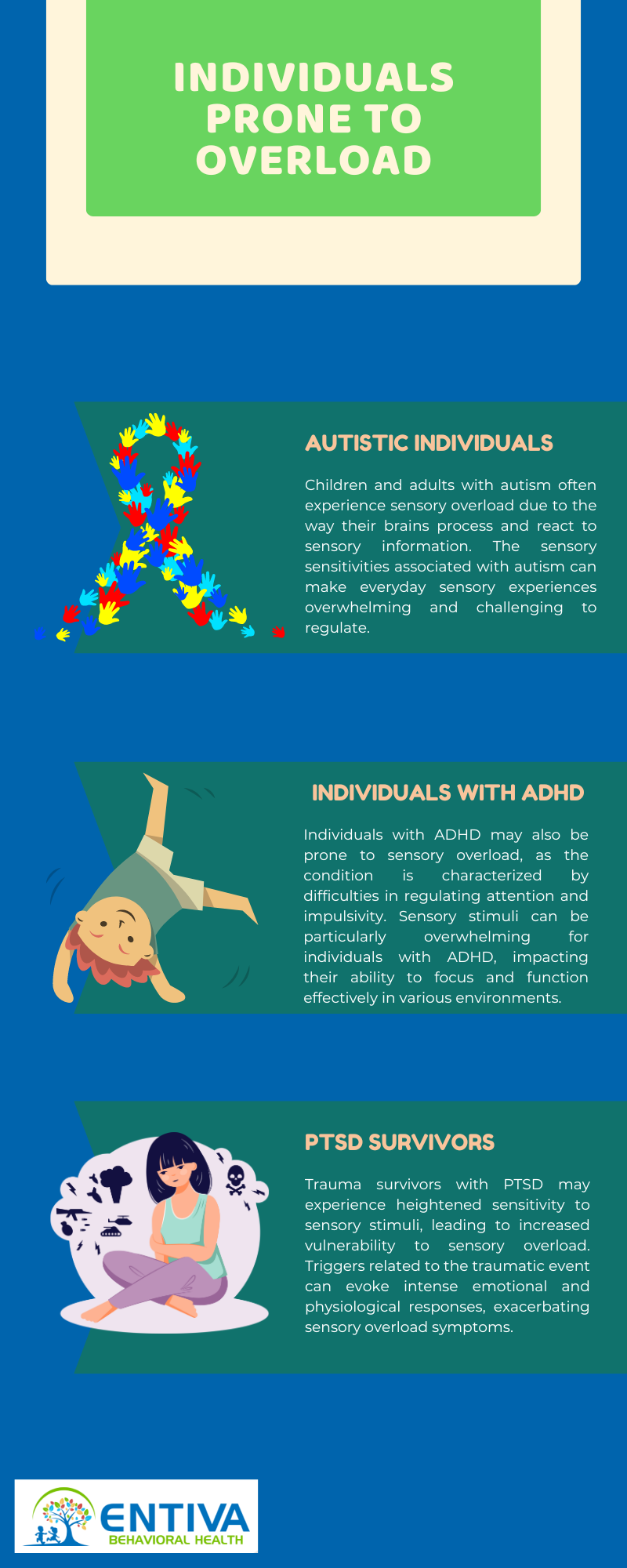
For individuals with autism, sensory processing differences mean that the brain interprets stimuli in unique ways. Fireworks, while visually stunning to many, present a multi-sensory assault: the thunderous booms vibrate through the chest, the sudden bursts of light can feel like strobe lights in a nightclub, and the sulfuric scent lingers in the air. These elements don’t just register as noise or brightness—they can feel physically jarring, triggering fight-or-flight responses. The unpredictability of fireworks timing and duration exacerbates anxiety, leaving little room for gradual adaptation. Understanding this sensory avalanche is the first step in mitigating its impact. Recognizing that the discomfort isn’t a matter of “toughening up” but rather a neurological response allows families to approach the situation with patience and proactive solutions.
Creating a Calm Retreat: Safe Spaces Before the Celebration
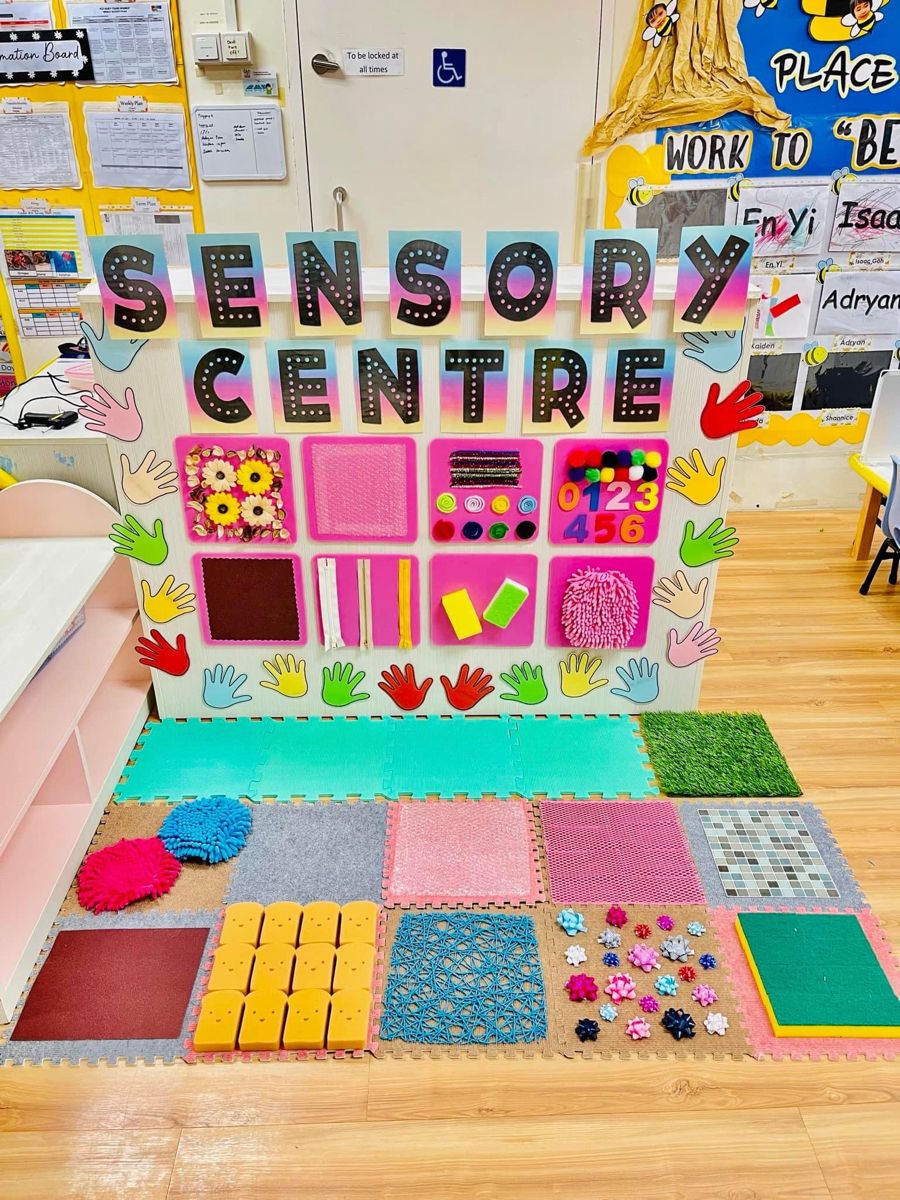
Preparation begins long before the clock strikes midnight. Designating a quiet, sensory-controlled space in the home—such as a basement room with blackout curtains, soft lighting, and noise-canceling headphones—can serve as a sanctuary when the outside world becomes too intense. Sound machines with white noise or nature sounds can mask the distant rumble of fireworks, while weighted blankets or compression vests may provide grounding tactile input. Involve your autistic family member in setting up this space, allowing them to personalize it with favorite blankets, stuffed animals, or low-stimulation decor. The goal isn’t isolation but empowerment: giving them control over their environment so they can choose when to engage and when to retreat. This proactive measure transforms anxiety into autonomy.
Sensory-Friendly Alternatives: Redefining the Celebration
Tradition doesn’t have to be abandoned—it can be reimagined. Consider hosting a low-key gathering earlier in the evening, complete with a muted fireworks display on a television screen or tablet. Many streaming platforms offer synchronized fireworks shows with reduced volume and controlled lighting, allowing for a visual spectacle without the sensory overload. Alternatively, create your own sensory-friendly fireworks experience using glow sticks, LED balloons, or a homemade “fireworks” craft with tissue paper and flashlights. These alternatives preserve the celebratory spirit while removing the elements that trigger distress. For families who prefer to stay in, a cozy movie night with calming films or a board game tournament can shift the focus from external stimuli to shared connection.

Preparation Through Social Stories and Visual Schedules
Predictability is a cornerstone of comfort for many autistic individuals. Social stories—custom narratives that describe events, expectations, and coping strategies—can demystify New Year’s Eve and reduce uncertainty. A social story might detail the sequence of events: “First, we’ll have dinner. Then, we’ll watch the fireworks on TV. If it feels too loud, we can use our headphones.” Pairing this with a visual schedule, complete with pictures or icons, reinforces the plan and provides a tangible reference. Role-playing the evening’s activities can further solidify understanding, allowing your loved one to rehearse responses to potential triggers. These tools aren’t just about preparation; they’re about fostering a sense of agency in an otherwise unpredictable situation.
Navigating Public Celebrations: When to Stay In
For families who wish to participate in public fireworks displays, meticulous planning is essential. Scout the location in advance to identify quieter areas away from the main crowd, and arrive early to secure a comfortable spot. Noise-canceling headphones or earplugs should be worn consistently, not just when the fireworks begin, as the anticipation itself can be stressful. Consider bringing a portable fan to create white noise or a favorite fidget toy to provide tactile stimulation. If the environment becomes overwhelming, have an exit strategy ready—whether it’s a pre-planned walk to a nearby quiet zone or a quick retreat to the car. The key is to balance the desire for shared celebration with the need for sensory regulation, ensuring that the experience remains enjoyable rather than traumatic.
The Power of Communication: Talking to Extended Family and Friends
Extended family and friends may not fully grasp the challenges of autism, especially during high-energy celebrations. A candid conversation before the event can set expectations and enlist their support. Explain specific triggers—such as sudden noises or bright lights—and suggest ways they can help, whether it’s avoiding startling surprises or giving space when needed. Frame these discussions not as requests for accommodation but as opportunities to include everyone in the celebration. For example, suggest that guests bring noise-canceling headphones as party favors or participate in quieter activities like storytelling or crafts. When loved ones understand the “why” behind accommodations, they’re more likely to embrace them without judgment.
Post-Celebration Reflection: Processing the Experience
The day after New Year’s Eve offers a chance to reflect and reinforce positive associations. Create a calm environment where your autistic loved one can decompress, perhaps with a favorite activity like drawing, listening to music, or engaging in a sensory bin. Ask open-ended questions to gauge their feelings: “What part of the evening did you enjoy most?” or “Was there anything that felt too loud or bright?” Validate their responses without minimizing their experience. If the celebration didn’t go as planned, avoid framing it as a failure. Instead, focus on what worked and what can be adjusted next time. This reflective practice builds resilience and reinforces trust in the family’s ability to adapt together.

Building Long-Term Strategies: Year-Round Sensory Awareness
New Year’s Eve is just one night, but the principles of sensory awareness and accommodation can extend throughout the year. Incorporate noise-canceling headphones into daily routines, experiment with different lighting options, and observe which sensory inputs feel soothing versus overwhelming. Keep a journal to track triggers and coping strategies, refining your approach over time. Advocate for sensory-friendly events in your community, whether it’s a quiet hour at a museum or a low-sensory movie screening. By fostering a culture of inclusivity year-round, families can reduce the pressure associated with specific holidays and create a more accommodating world for autistic individuals.
New Year’s Eve doesn’t have to be a battleground of sensory overload and anxiety. With thoughtful preparation, creative alternatives, and a commitment to understanding individual needs, families can transform the night into an opportunity for connection rather than distress. The goal isn’t to eliminate all challenges but to create a celebration that honors both tradition and the unique ways in which autistic individuals experience the world. By prioritizing comfort, communication, and flexibility, the transition into a new year can be marked not by overwhelm, but by warmth, safety, and shared joy.