Autism in older adults is a narrative that remains largely untold, a silent thread woven into the fabric of aging that society has yet to fully unravel. When we picture autism, the mind often conjures images of children—bright-eyed, energetic, and navigating a world that feels perpetually out of sync with their inner rhythms. Yet, autism does not fade with time. It lingers, evolves, and reshapes itself in the quiet corners of later life, where the echoes of a lifetime of unmet needs and misunderstood behaviors reverberate through the decades. For older adults on the spectrum, aging is not merely a passage of years; it is a journey through a landscape of unique challenges, where the absence of support can feel as isolating as the condition itself.
To understand autism in older adults is to step into a realm where the conventional markers of aging—retirement, grandchildren, leisure—are often overshadowed by the persistent struggle to belong. Many of these individuals spent their lives masking their traits, camouflaging their differences in a world that prized conformity above all else. Now, as the years advance, the cumulative weight of this effort can manifest in exhaustion, sensory overload, or even a quiet resignation to a life lived on the periphery. The challenges they face are not just medical or psychological; they are deeply human, rooted in the universal desire for connection, dignity, and purpose.
The Unseen Struggle: Sensory and Social Sensitivities in Later Life
Imagine navigating the world with senses that are perpetually overwhelmed—where the hum of a refrigerator feels like a thunderclap, fluorescent lighting burns like a thousand suns, and the texture of clothing against skin is akin to sandpaper. For older adults with autism, sensory sensitivities do not diminish with age; they often intensify, their nervous systems still wired to perceive the world in high definition while the rest of the world moves at a slower, more muted pace. This hypersensitivity can turn mundane activities—grocery shopping, public transit, or even a family gathering—into Herculean tasks, draining energy reserves that are already depleted by years of adaptation.
Social interactions, too, present a labyrinth of unspoken rules and expectations. Older adults with autism may find themselves grappling with the nuances of conversation, the subtleties of body language, or the pressure to engage in small talk that feels meaningless. The exhaustion that follows these interactions is not merely physical; it is existential. Each forced smile, each rehearsed response, chips away at the sense of authenticity, leaving behind a hollowed-out version of oneself. The irony is stark: in a society that values connection above all else, those who struggle most with it are often the ones who are left to navigate its complexities alone.
The cumulative toll of these challenges can lead to a phenomenon known as autistic burnout, a state of chronic exhaustion and loss of skills that arises from prolonged stress and masking. Unlike typical burnout, which may resolve with rest, autistic burnout can linger, its shadows stretching into the later years of life. For some, it manifests as a withdrawal from the world, a retreat into solitude that is mistaken for disinterest rather than a desperate need for respite. For others, it may trigger a resurgence of traits long suppressed, as if the body and mind can no longer sustain the effort of pretending.
The Diagnostic Desert: Why Autism in Older Adults Goes Unrecognized
One of the most poignant paradoxes of aging with autism is the glaring absence of diagnosis. Many older adults on the spectrum were born in an era when autism was poorly understood, when the diagnostic criteria were narrow and exclusionary, and when the very idea of autism in girls, women, or non-verbal individuals was dismissed outright. As a result, countless individuals spent decades navigating life with undiagnosed autism, their struggles attributed to anxiety, depression, or simply “being difficult.”
The consequences of this diagnostic desert are profound. Without a formal diagnosis, older adults are denied access to tailored support, accommodations, and community. They may struggle to articulate their needs, their behaviors misinterpreted as eccentricity or defiance rather than symptoms of a lifelong neurological difference. Even when they seek help, clinicians—often trained in pediatric or mainstream models of autism—may overlook the subtle signs of autism in older adults, mistaking them for age-related cognitive decline or personality disorders.
The lack of awareness extends beyond healthcare. Families, caregivers, and even the individuals themselves may remain unaware of their autism, their struggles chalked up to the natural challenges of aging. This ignorance is not benign; it perpetuates a cycle of isolation, where the older adult feels increasingly disconnected from the world around them, their needs unmet and their identities unrecognized.

Physical Health and the Invisible Burden of Comorbidities
Autism does not exist in a vacuum. Older adults on the spectrum are also navigating the physical decline that accompanies aging, yet their healthcare needs are often overlooked or misunderstood. Chronic conditions such as gastrointestinal disorders, epilepsy, or autoimmune diseases—common comorbidities in autism—can become more pronounced with age, their symptoms exacerbated by the stress of navigating a world that is not designed for their needs.
Consider the older adult with autism who also lives with chronic pain. The inability to communicate their discomfort effectively may lead to untreated conditions, their pain dismissed as part of the aging process or attributed to “moodiness.” Similarly, sensory sensitivities can make routine medical examinations—such as blood draws or MRIs—traumatic experiences, deterring them from seeking necessary care. The result is a silent crisis, where physical health deteriorates not because of age alone, but because of the compounded effects of a lifetime of unmet needs.
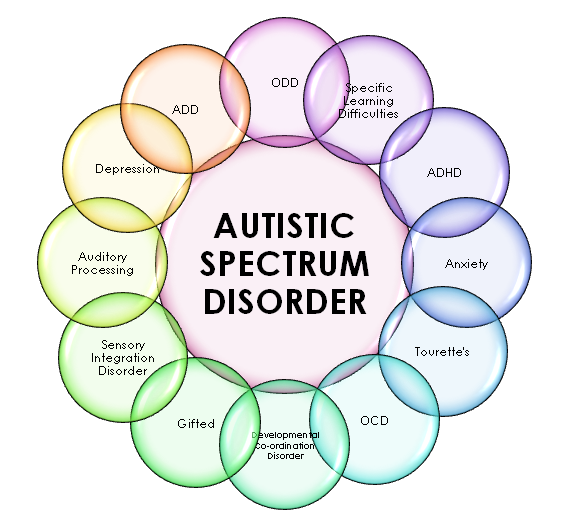
Mental health, too, is a critical concern. Depression and anxiety are prevalent among older adults with autism, their roots tangled in a lifetime of rejection, misunderstanding, and the exhaustion of masking. Yet, these conditions are often misdiagnosed or undertreated, their symptoms attributed to autism itself rather than separate, treatable issues. The lack of mental health professionals trained in autism in older adults further exacerbates the problem, leaving many to suffer in silence.
Navigating Late-Life Transitions: Retirement, Loss, and the Search for Purpose
Retirement—a milestone often celebrated as a time of freedom and relaxation—can be a minefield for older adults with autism. The abrupt loss of structure, the absence of routine, and the sudden influx of unstructured time can trigger a profound sense of disorientation. For those who relied on the predictability of work to ground them, retirement may feel less like liberation and more like a descent into chaos.
The transition is not merely practical; it is existential. Many older adults with autism derive a sense of purpose from their work, their roles as employees or volunteers providing a framework for their identity. Without it, they may struggle to find meaning, their days stretching before them like an uncharted wilderness. The lack of social connections forged in the workplace can deepen feelings of isolation, leaving them adrift in a world that no longer seems to have a place for them.
Grief, too, is a companion in later life for many on the spectrum. The loss of loved ones, the fading of friendships, or the realization that their life has not unfolded as they once imagined can be devastating. Autism does not shield one from these experiences, yet the lack of support tailored to their needs can make processing grief an isolating ordeal. They may struggle to express their emotions in ways that others understand, their grief manifesting as withdrawal, irritability, or even physical symptoms that defy easy explanation.
Building Bridges: Support and Accommodations for Older Adults with Autism
The path forward for older adults with autism is not one of resignation but of adaptation and advocacy. The first step is recognition—acknowledging that autism does not vanish with age, that its challenges are not static but evolve alongside the individual. For those who suspect they may be on the spectrum, seeking a formal diagnosis can be a revelation, a key that unlocks access to tailored support and community.
Communities and organizations are beginning to recognize the need for age-specific resources. Support groups for older adults with autism are emerging, offering spaces where individuals can connect with others who share their experiences. These groups are not just about sharing struggles; they are about reclaiming agency, about finding joy in the things that make life meaningful—whether it’s a passion for music, a love of nature, or the quiet satisfaction of a well-organized home.
Accommodations, too, can make a world of difference. Simple adjustments—such as reducing sensory stimuli in living spaces, providing clear written instructions for tasks, or offering flexible social interactions—can alleviate some of the burdens of aging with autism. Employers, healthcare providers, and caregivers can play a pivotal role by educating themselves about the unique needs of older adults on the spectrum, by listening without judgment, and by advocating for inclusive practices.
The future of aging with autism is not a story of decline but of resilience. It is a narrative of individuals who have spent lifetimes adapting to a world that was not built for them, who now stand at the threshold of their later years with wisdom, strength, and an unyielding desire to be seen. Their challenges are real, but so too is their capacity for growth, connection, and fulfillment. The shift in perspective begins with us—with the recognition that aging is not a monolith, that the spectrum of human experience extends far beyond the confines of convention.
To understand autism in older adults is to embrace a more nuanced view of aging itself—a view that honors the diversity of human minds, that celebrates the quiet triumphs of those who navigate the world differently, and that pledges to build a society where no one is left to face the journey alone.