In a world where screens often dominate attention spans, a quiet revolution is unfolding—one that transforms idle scrolling into moments of profound connection. For children on the autism spectrum, learning games are no longer mere distractions; they are bridges to understanding, tools for growth, and gateways to communication. These digital experiences, carefully crafted with empathy and insight, offer more than entertainment. They promise a shift in perspective—one where challenges become opportunities, and every tap on a screen is a step toward empowerment. What if the key to unlocking a child’s potential lies not in traditional methods alone, but in the playful, adaptive world of interactive learning?
The Alchemy of Engagement: Why Games Captivate Minds on the Spectrum
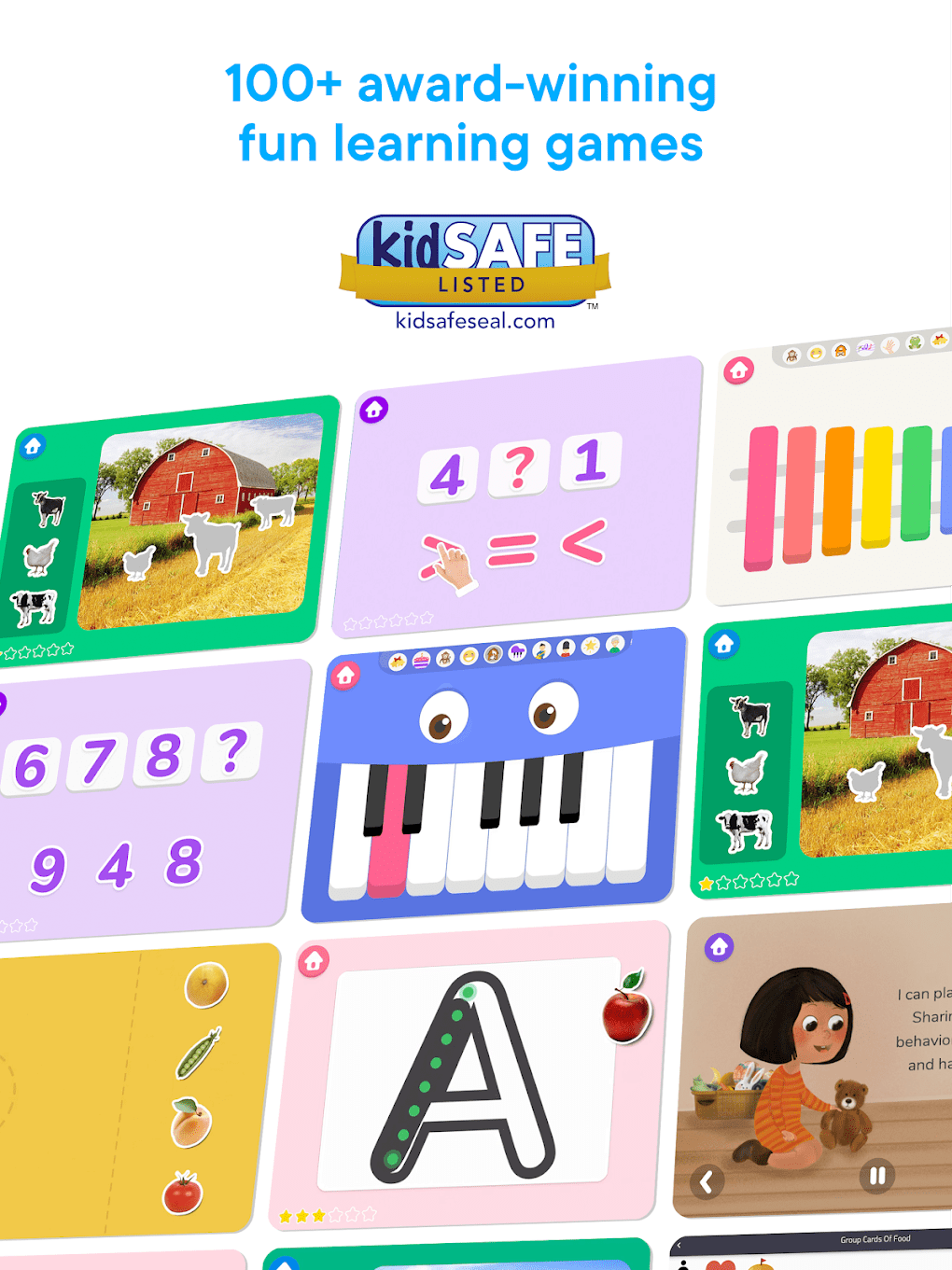
Children with autism often thrive in environments that are structured, predictable, and visually engaging. Traditional learning materials, while valuable, can sometimes feel rigid or overwhelming. Enter digital learning games—a medium that marries the comfort of routine with the thrill of exploration. These games are designed to meet learners where they are, offering adaptive difficulty levels, sensory-friendly interfaces, and instant feedback that reinforces progress. Unlike passive media, interactive games demand participation, turning abstract concepts into tangible experiences. A child who struggles with verbal communication might find solace in a game that rewards them for matching colors or solving simple puzzles, each success building confidence in ways that feel organic and rewarding.
The magic of these games lies in their ability to camouflage learning within play. A child navigating a virtual farm to harvest crops isn’t just playing—they’re practicing sequencing, cause-and-effect reasoning, and even social narratives. The absence of judgment in a digital space allows for experimentation without fear, fostering a sense of autonomy that can be elusive in traditional educational settings. For parents and educators, this means a rare opportunity: to witness learning as a joyful endeavor rather than a chore.
Sensory Symphony: Designing Games for Neurodiverse Minds
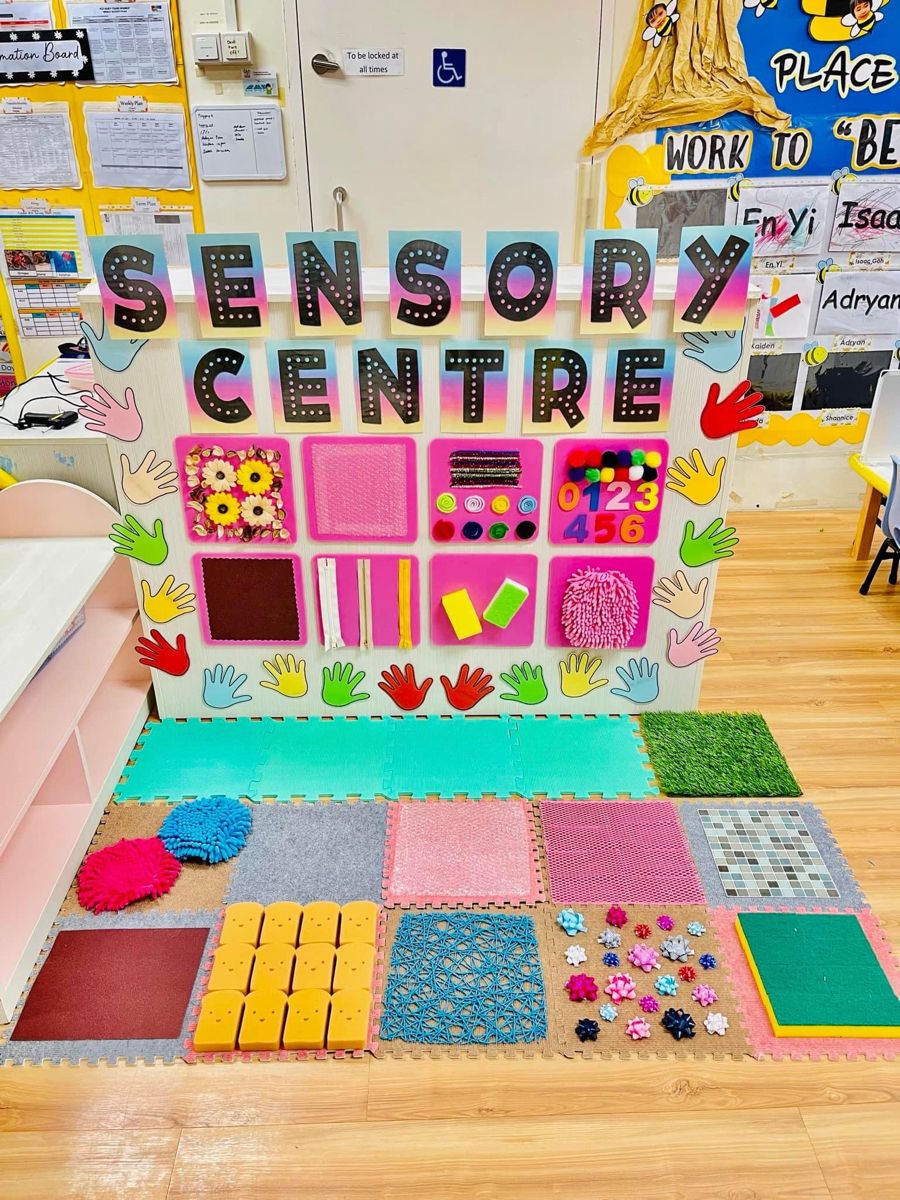
Not all screens are created equal, especially when it comes to autism. The most effective learning games are those that respect the sensory sensitivities of their users. This means offering customizable settings—adjustable brightness, volume controls, and the option to disable distracting animations. Some games incorporate gentle vibrations or soothing sounds to provide tactile and auditory feedback, creating a multisensory experience that grounds the learner in the moment. Others use clear, uncluttered visuals with high contrast to minimize overwhelm, ensuring that the focus remains on the task at hand.
Consider a game where a child must guide a character through a maze. The walls might pulse with a soft glow, the background music swells subtly with progress, and the character’s movements are smooth and predictable. These details aren’t arbitrary; they’re intentional design choices that cater to the unique ways autistic children process information. By aligning the game’s mechanics with the learner’s sensory preferences, developers create an environment where focus can flourish, and frustration is minimized.
Beyond the Screen: Social Skills and Emotional Intelligence
Learning games aren’t just solitary experiences. Many are designed to cultivate social and emotional skills, often in ways that feel like play rather than instruction. Games that simulate real-world scenarios—such as ordering food in a virtual café or collaborating with a digital peer to solve a puzzle—provide a low-stakes environment to practice turn-taking, empathy, and problem-solving. These digital interactions can translate into real-life confidence, as children learn to navigate social nuances in a controlled setting.
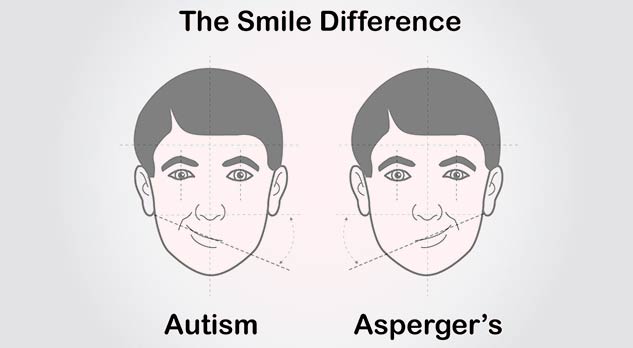
Emotional regulation is another area where games can make a profound impact. Some applications include modules that teach children to identify emotions through facial expressions or body language, using interactive exercises that feel like games. A child might drag a smiling emoji to match a happy face or sort images of faces by their emotional cues. These activities demystify the often-confusing world of emotions, offering a structured way to decode feelings that might otherwise feel overwhelming.
The Parent’s Toolkit: Integrating Games into Daily Routines
For parents, the challenge isn’t just finding the right games—it’s weaving them into a child’s routine in a way that feels natural and beneficial. Start by observing which types of games captivate your child’s interest. Does a particular app hold their attention for longer than others? Does it seem to reduce anxiety or frustration? These clues can guide you toward games that align with their strengths and needs. Pairing screen time with offline activities, such as discussing the game’s characters or recreating a game’s scenario with toys, can reinforce learning and deepen engagement.
It’s also essential to set boundaries. While games can be powerful tools, they’re most effective when balanced with other forms of interaction—physical play, social outings, and quiet reflection. Monitor screen time not as a restriction, but as a way to ensure that digital experiences remain a supplement to, rather than a replacement for, holistic development. The goal isn’t to replace human connection but to enhance it, using technology as a catalyst for growth.
Innovation on the Horizon: The Future of Autism Learning Games
The landscape of autism learning games is evolving rapidly, with advancements in artificial intelligence and virtual reality opening new frontiers. Imagine a game that adapts in real-time to a child’s emotional state, offering calming visuals if frustration arises or introducing a new challenge when engagement wanes. Virtual reality could transport learners to immersive environments where they practice social skills in a simulated school or playground, preparing them for real-world interactions with greater confidence. These innovations aren’t distant fantasies; they’re on the cusp of becoming reality, promising even more personalized and effective learning experiences.
Another exciting development is the rise of collaborative games, where siblings or peers can play together, fostering teamwork and communication. These games blur the lines between individual and group learning, creating opportunities for shared growth and mutual understanding. As technology becomes more accessible, the potential for these tools to bridge gaps—between neurodiverse and neurotypical children, between home and school, and between challenges and achievements—grows exponentially.
A New Chapter in Learning: The Promise of Play
Learning games for children with autism are more than just a trend; they represent a paradigm shift in how we approach education and development. By harnessing the power of play, these tools offer a path to unlocking potential that might otherwise remain hidden. They remind us that learning doesn’t have to be a linear, one-size-fits-all journey. Instead, it can be a dynamic, adaptive, and deeply personal experience—one where every child, regardless of their starting point, can find their stride.
The screens that once seemed like obstacles are now becoming allies, transforming passive consumption into active creation. For parents, educators, and children alike, the message is clear: the future of learning isn’t just about what we teach, but how we teach it. And in the world of autism learning games, the how is as important as the what. It’s a future where play isn’t just a break from learning—it’s the very essence of it.