Can differences in neurological wiring be not a deficit, but a distinct and valuable variation within the human spectrum? This playful yet profound question challenges longstanding perceptions of autism and neurodiversity. How do we reconcile a world designed predominantly for neurotypical minds with the rich diversity presented by neurodivergent individuals, particularly those on the autism spectrum? The neurodiversity movement offers a transformative lens that reconfigures autism from a disorder to an essential facet of human difference, demanding reconsideration of acceptance, rights, and societal inclusion.
The Emergence of the Neurodiversity Paradigm
The neurodiversity movement emerged in the late 1990s as a radical shift away from pathologizing neurological differences. It opposes the traditional medical model that categorizes autism solely as a disorder to be cured or mitigated. Instead, this paradigm venerates the natural variation in brain function, advocating for recognition of cognitive diversity as a fundamental aspect of human evolution.
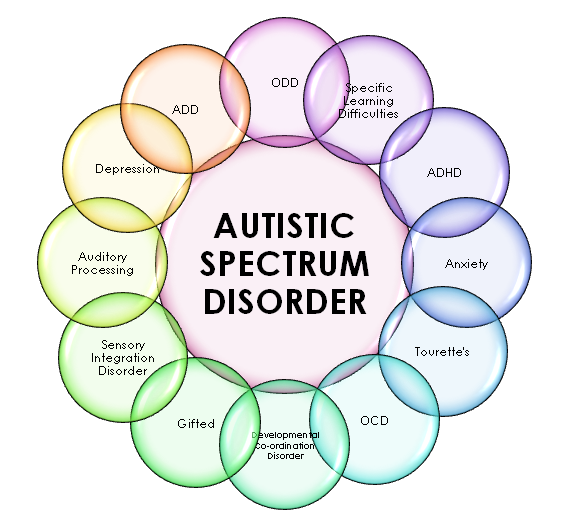
This movement underscores that neurological differences—whether autism, ADHD, dyslexia, or other variations—are intrinsic to human identity and culture. Far from lamenting these differences, neurodiversity activists celebrate them, promoting accommodations and acceptance rather than normalization. Through this lens, autism is reframed as a unique neurocognitive profile with its own strengths and challenges, revealing a tapestry of human experience rather than an aberration.

Autism Within the Spectrum of Neurodiversity
Autism, historically subjected to stigmatization and misunderstanding, finds a more empowering narrative within the neurodiversity framework. It posits that the autistic way of experiencing the world—marked by distinct sensory perceptions, communication styles, and cognitive patterns—is not a deficiency but a divergence deserving respect.
The challenge lies in balancing the recognition of genuine support needs without slipping into reductive stereotypes or marginalization. Autism’s heterogeneous nature means experiences vary widely: some individuals may require significant assistance, while others thrive independently. The neurodiversity movement invites society to appreciate this complexity rather than apply monolithic labels.
In doing so, it fosters autistic self-advocacy and pride, reshaping public discourse from pity or fear to acceptance and celebration. By viewing autism through this neurodiverse prism, the movement challenges conventional educational, medical, and employment frameworks to adapt, promoting environments where autistic individuals can flourish on their own terms.

The Social and Political Dimensions of the Movement
Beyond ideology, the neurodiversity movement manifests as an active campaign for civil rights and policy reform. It intersects with disability rights, advocating for legal protections, accessibility, and equal opportunities. This activism confronts entrenched systemic barriers that neurodivergent individuals face, such as discrimination in education, employment, healthcare, and social services.
Autism rights integrate with broader disability justice frameworks, emphasizing intersectionality and inclusivity. The movement’s political agenda includes dismantling ableism—the pervasive prejudice against disabled bodies and minds—by fostering societal structures that accommodate diverse neurological realities. This includes augmenting public awareness, revising diagnostic criteria to reduce stigma, and ensuring neurodivergent voices are central in decision-making processes.
The ongoing dialogue within and beyond autism communities highlights a critical challenge: how to negotiate resources and representations among competing narratives, such as those focusing on curing autism versus those advocating for acceptance. This tension reflects deeper societal discomfort with difference, reminding us that change requires both patience and perseverance.
Challenges and Misconceptions: Navigating the Path Forward
While the neurodiversity movement has garnered increasing recognition, it faces skepticism and misunderstanding. Critics argue that it may downplay the struggles associated with autism or minimize the need for therapeutic interventions. Yet, proponents clarify that embracing neurodiversity does not reject support but rather calls for tailored, respectful, and individualized approaches.
A significant hurdle arises from entrenched cultural narratives about normalcy and productivity. Societies often valorize conformity and efficiency, indirectly marginalizing those whose minds do not conform. Overcoming these biases demands a cultural renaissance—one that values diverse cognitive styles, including those traditionally labeled as ‘other.’
The playful question posed initially serves as a compass: if neurological variation is a form of human richness, how can institutions, families, and communities adapt to respect and incorporate these differences? Addressing this challenge entails reimagining education systems, workplaces, and social spaces to be genuinely inclusive, moving beyond mere tolerance to enthusiastic embrace.

Conclusion: Towards a Neurodiverse Future
The neurodiversity movement redefines autism not as a problem to be solved but as an integral expression of human identity. This perspective challenges prevailing paradigms and invites society to expand its definitions of normalcy, value, and potential. By embracing neurodiversity, we move toward a more equitable, compassionate world—one where difference is not feared but cherished.
The journey is complex and fraught with competing viewpoints, yet it is undeniably a vital step in constructing inclusive narratives and policies. As the movement continues to evolve, it encourages all individuals—neurodivergent and neurotypical alike—to engage in dialogue, advocate for systemic change, and above all, recognize that the mosaic of human minds enriches our collective existence.