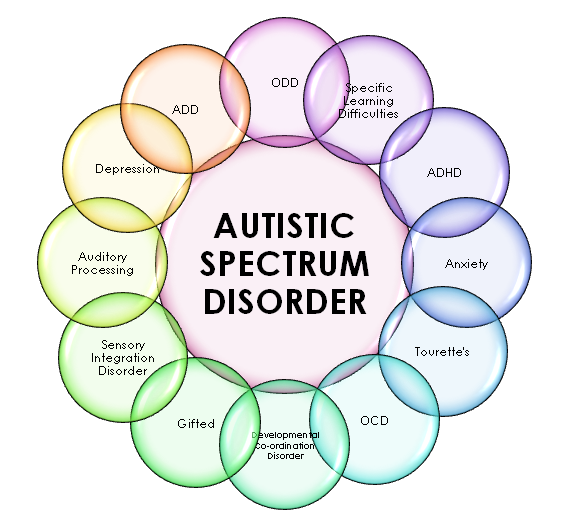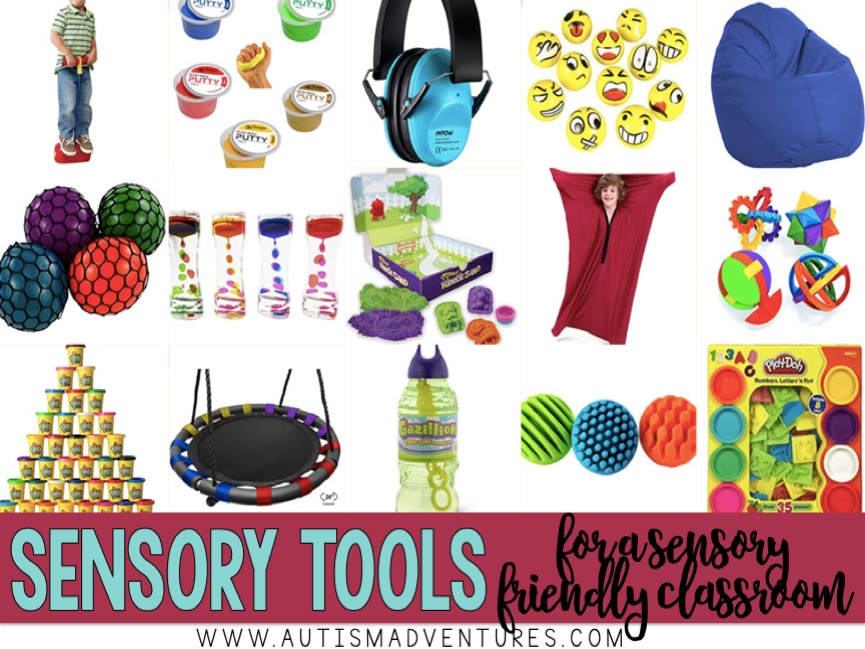
Imagine the intricate sensory world of a child with autism as a kaleidoscope, where every twist can transform perceptions, creating a mosaic both fascinating and challenging. Navigating this landscape demands more than mere tools; it requires instruments that resonate with the unique wavelengths of sensory needs. Sensory tools for autism function like tuning forks, finely attuning environmental stimuli to create harmony and ease in an often overwhelming world. But what truly are the best sensory tools for autism? This exploration delves deep into the nuanced arsenal designed to soothe, stimulate, and support.
Understanding Sensory Processing and the Need for Tools
The sensory universe in which children with autism reside is rarely linear. Sensory processing differences can manifest as hypersensitivity or hyposensitivity to stimuli, leading to confusion, anxiety, or disengagement. Sensory tools act as bridges—mechanisms that help regulate input, enabling children to find a comfortable nexus between overstimulation and underwhelming sensory scenarios. They offer a tactile, proprioceptive, or vestibular anchor, facilitating a balanced sensory diet and promoting optimal interaction with their environment.
The Power of Tactile Sensory Tools
Tactile tools are the textural storytellers of the sensory toolkit. They invite hands and fingers to explore, to discover. These tools are often crafted with variegated materials that invite a rich tapestry of touch sensations. From soft, pliable stress balls to textured fidget spinners, tactile tools create a sensory playground that can calm anxiety or boost focus.

Weighted blankets and compression vests extend this tactile experience to whole-body engagement, applying gentle pressure that mimics a comforting embrace. These tools leverage deep pressure stimulation and have demonstrated remarkable efficacy in improving attention spans and reducing restlessness.
Vestibular and Proprioceptive Tools: Crafting Inner Balance
The vestibular system governs balance and spatial orientation, while the proprioceptive system informs the brain about body position and movement. Tools targeting these senses provide critical feedback that stabilizes emotions and physical responses. Swings and rocking chairs offer rhythmic, soothing vestibular input, simulating the calming motion of a gentle ocean tide. These oscillations can ease sensory overload, grounding the child in the present moment.
Meanwhile, proprioceptive devices such as resistance bands, therapy balls, and push-pull toys offer targeted muscle work, helping to organize sensory input coherently. These tools prompt the nervous system to recalibrate, transforming chaos into coherent balance. The unique appeal lies in their silent language—muscle fibers whispering reassurance back to overwhelmed neural pathways.
Auditory and Visual Sensory Aids: The Symphony and Canvas of Sensory Experience
Auditory and visual sensory tools paint the sensory environment with colors and sounds that can either soothe or stimulate. Noise-cancelling headphones act as acoustic shields, protecting against cacophonous onslaughts that disrupt concentration and provoke discomfort. Conversely, white noise machines and nature sound devices craft ambient soundscapes, cushioning auditory perception with gentle rhythms that encourage relaxation.
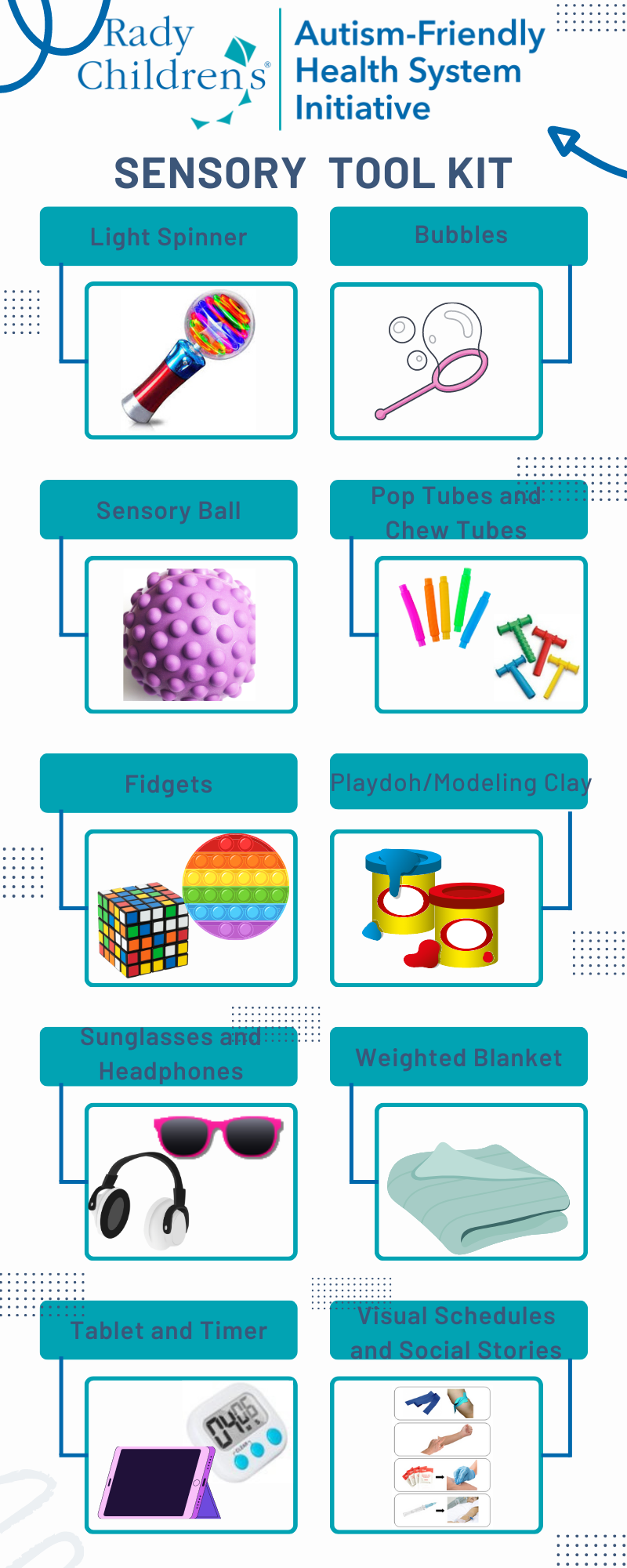
Visual tools include kaleidoscopes, liquid motion bubblers, and light projectors. These items captivate with fluid, mesmerizing patterns that invite calm observation, offering momentary escape while reinforcing sustained attention. Light-up toys and color-changing devices provide interactive stimulation, creating feedback loops that engage cognitive and sensory pathways distinctively.
Oral and Gustatory Sensory Supports: Subtle Yet Significant
Oral sensory tools are often overlooked but are essential for children who seek oral stimulation to regulate sensory input. Chewy necklaces, vibrating toothbrushes, and flavored oral devices fulfill the need for safe oral exploration, mitigating behaviors such as lip biting or chewing on inappropriate objects. These devices not only satisfy oral cravings but also support speech development by improving mouth muscle tone.
The Unique Appeal of Multi-Sensory Kits
One of the hallmark innovations in sensory support is the creation of comprehensive sensory tool kits. These curated assortments combine tactile, proprioceptive, auditory, and visual aids into a cohesive portfolio designed to address varied needs simultaneously. Their modular nature enables caregivers and therapists to tailor interventions dynamically, ensuring alignment with evolving sensory profiles.
Such kits function as treasure chests—each tool a gem with a distinct purpose and effect. They exemplify the principle that sensory integration is multifaceted, requiring a blend of inputs that harmonize rather than compete. The strategic combination of tools underscores the understanding that sensory regulation is not a singular experience but a layered, complex engagement.
Choosing the Right Sensory Tools: A Tailored Journey
Determining the best sensory tools for a child with autism is far from formulaic. It requires attentive observation, professional guidance, and most importantly, listening to the child’s responses. What calms one child may overstimulate another. This personalized approach strengthens the relationship between sensory needs and environmental modulation, turning sensory tools into personalized instruments of support rather than generic gadgets.
Moreover, the effectiveness of sensory tools is magnified when integrated into daily routines—at home, in schools, or during therapeutic sessions. Consistency imbues these tools with predictability, offering a scaffold upon which children can build resilience, self-regulation, and independence.
Conclusion: Sculpting a Sensory Sanctuary
In the intricate dance of senses that defines autism, sensory tools emerge as the choreographers, guiding each movement towards balance and serenity. They are more than mere objects; they are catalysts for engagement, connection, and comfort. The best sensory tools for autism hold the transformative power to reveal the vibrant spectrum of potential within every child, turning a turbulent sensory storm into a serene sanctuary.