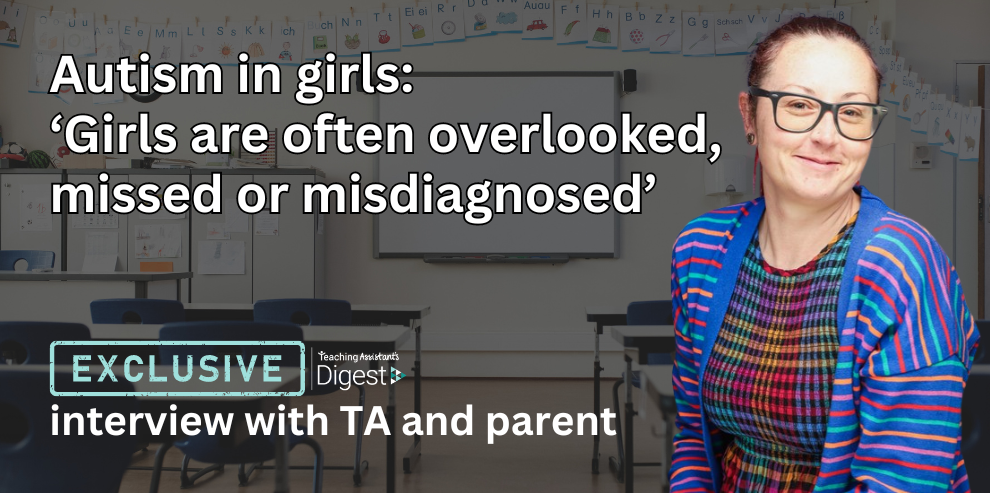
Autism spectrum disorder (ASD) has long been perceived through a lens that favors the experiences of boys and men, leaving girls and women navigating a labyrinth of unmet needs, misdiagnoses, and systemic oversight. The underrecognition of autism in females is not merely a statistical anomaly—it is a cultural and clinical blind spot that distorts our understanding of neurodiversity. While autism manifests differently across individuals, the disparity in diagnosis rates between genders reveals deeper truths about societal expectations, diagnostic criteria, and the ways in which neurodivergent traits are interpreted—or dismissed—depending on who exhibits them.
For decades, autism was framed as a predominantly male condition, with research samples skewed heavily toward boys. This historical bias has perpetuated a narrow definition of what autism “looks like,” often centering on externalized behaviors such as repetitive movements, intense special interests, or social difficulties that disrupt norms. Yet, for many girls, autism unfolds in subtler, internalized ways—mimicry, camouflaging, and a relentless pursuit of social conformity that masks underlying struggles. The result? A silent epidemic of undiagnosed or late-diagnosed women who have spent lifetimes feeling like impostors in their own lives.
Consider the girl who excels in school not because she finds the material easy, but because she has developed an encyclopedic memory to compensate for her difficulties with executive function. Or the teenager who spends hours rehearsing conversations in her head, only to freeze when faced with unscripted social interactions. These are not signs of shyness or introversion; they are coping mechanisms born from a brain that processes the world in a fundamentally different way. Yet, without recognition, these strategies become invisible burdens, worn like armor to survive a world that wasn’t designed for their neurology.
The Mask of Social Camouflage: How Girls Hide in Plain Sight
One of the most insidious barriers to diagnosing autism in girls is the phenomenon of “masking” or “camouflaging.” Unlike boys, who may externalize their struggles through disruptive behaviors, girls often internalize their challenges, adopting social scripts to blend in. This isn’t a conscious choice but an evolutionary survival tactic—a way to avoid bullying, rejection, or the exhausting scrutiny of peers. The pressure to conform is relentless: be quiet but not too quiet, be friendly but not too forward, be competent but never arrogant. The cognitive load of maintaining this performance is staggering, yet it is rarely acknowledged as a red flag for neurodivergence.
Research suggests that girls with autism are more likely to mimic the social behaviors of their neurotypical peers, a process known as “social echolalia.” They observe, absorb, and replicate interactions, often to the point of exhaustion. This mimicry is not deception; it is a form of self-preservation. Yet, it creates a paradox: the more successfully a girl masks her autism, the less likely she is to be identified as needing support. By the time she reaches adulthood, she may have internalized the belief that her struggles are personal failures rather than neurological differences.
The Diagnostic Desert: Why Clinicians Miss the Signs
Compounding the issue is the fact that many clinicians are trained to recognize autism through a male-centric framework. Diagnostic tools, such as the Autism Diagnostic Observation Schedule (ADOS), were developed with boys in mind, emphasizing behaviors like restricted interests in trains or dinosaurs—interests that are statistically more common in autistic boys. For girls, interests may be more socially aligned, such as animals, literature, or human relationships, which are often dismissed as “typical” rather than indicative of a special interest. This oversight leads to a diagnostic desert where girls wander undiagnosed, their struggles misattributed to anxiety, depression, or simply “being difficult.”
Moreover, the diagnostic criteria for autism itself has historically prioritized deficits over strengths. A girl who excels in reading social cues may be overlooked because she doesn’t fit the stereotype of the “aloof” autistic child. Similarly, a girl who is highly verbal but struggles with pragmatic language—such as interpreting sarcasm or understanding unwritten social rules—may be labeled as “quirky” rather than autistic. The result is a system that rewards conformity and punishes difference, even when that difference is neurologically rooted.
The consequences of this oversight are profound. Undiagnosed autistic girls are more likely to develop comorbid mental health conditions, such as anxiety or eating disorders, as they struggle to reconcile their internal experiences with external expectations. They may internalize shame, believing they are “too sensitive,” “too intense,” or “not enough.” Without a diagnosis, they lack access to accommodations, therapies, and communities that could validate their experiences and provide tools for self-advocacy.
The Ripple Effect: How Undiagnosis Shapes a Lifetime
The impact of being overlooked doesn’t end with childhood. For many autistic women, the journey to self-awareness is a long and arduous one, often sparked by a personal crisis—a breakdown, a burnout, or the diagnosis of a child who mirrors their own struggles. The realization that they are autistic can be both liberating and devastating. Liberating, because it offers an explanation for a lifetime of feeling “wrong.” Devastating, because it comes too late to prevent years of self-blame and missed opportunities for support.
Consider the autistic woman who thrives in her career but collapses every weekend from sensory overload. Or the one who marries and raises children, only to realize that her parenting style—direct, honest, and unfiltered—is mislabeled as “cold” or “unmotherly.” These are not isolated incidents; they are symptoms of a society that has failed to recognize the diversity of autistic experiences. The ripple effect extends to families, workplaces, and healthcare systems, where undiagnosed autistic women are often misdiagnosed with conditions like borderline personality disorder or bipolar disorder, leading to inappropriate treatments and further marginalization.
Yet, there is a growing movement to challenge these narratives. Autistic women and non-binary individuals are reclaiming their stories, sharing their experiences through memoirs, podcasts, and social media. They are redefining what autism looks like, emphasizing the strengths that come with neurodivergence—creativity, deep empathy, and a unique perspective on the world. This shift is not just about visibility; it’s about dismantling the systems that have long excluded them from the conversation.
The Path Forward: Redefining Autism for a New Generation
The first step toward change is acknowledging the limitations of our current understanding. Autism is not a monolith, and its manifestations are as varied as the individuals who experience it. For girls and women, this means expanding diagnostic criteria to include internalized traits, sensory sensitivities, and the nuances of social camouflage. It means training clinicians to recognize the signs beyond the stereotypes. And it means listening to the voices of autistic women who have spent lifetimes advocating for themselves in a world that refused to see them.
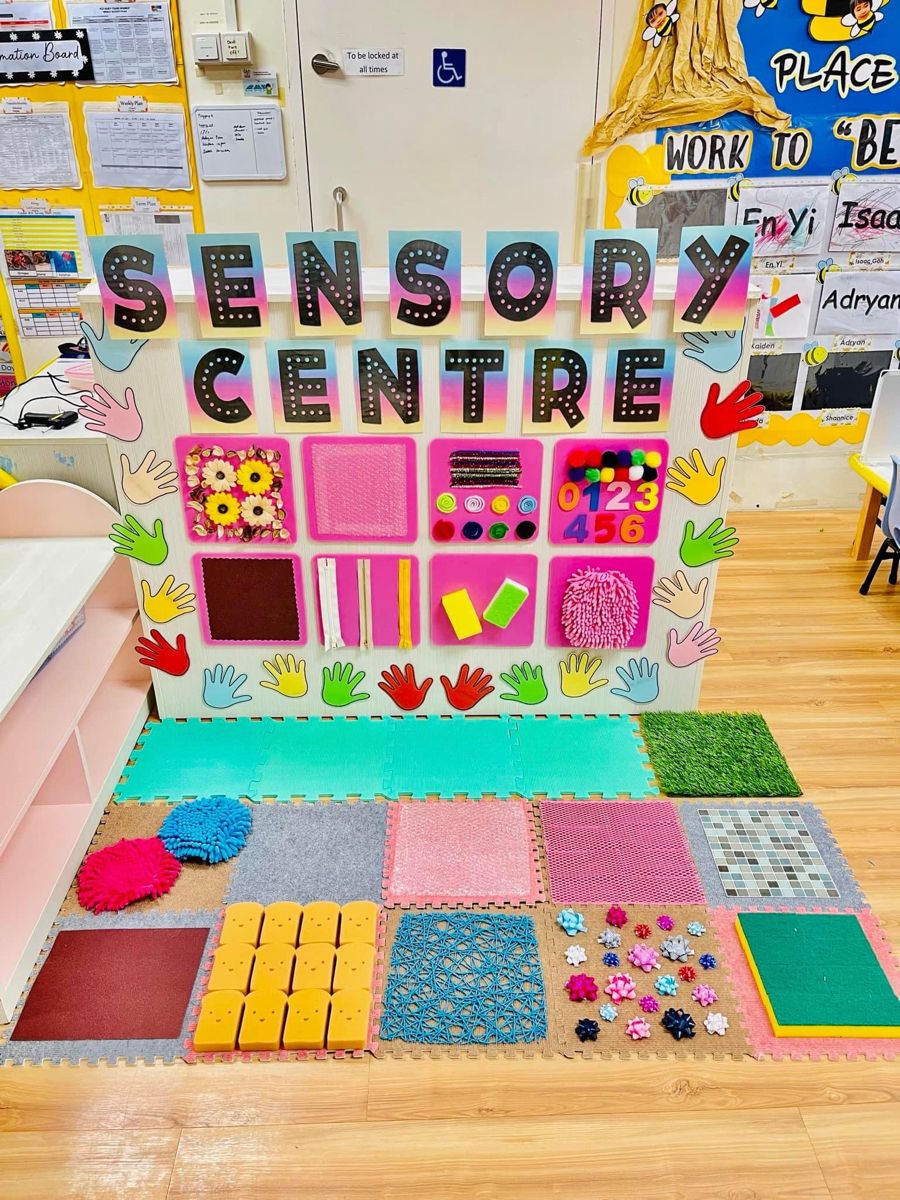
Schools, workplaces, and healthcare providers must adopt flexible, individualized approaches to support. Sensory-friendly environments, clear communication strategies, and accommodations for executive dysfunction are not luxuries—they are necessities. For autistic girls, early identification can mean the difference between a childhood spent in confusion and one filled with understanding and self-acceptance. For autistic women, it can mean the difference between isolation and community.

The journey to redefine autism is ongoing, but the momentum is undeniable. As more women come forward with their stories, as research expands to include their experiences, and as society begins to value neurodiversity, the narrative is slowly shifting. Autism in girls is not a footnote in the story of neurodivergence—it is a central chapter, one that demands to be heard, understood, and celebrated. The girls and women who have been overlooked are not anomalies; they are a testament to the richness and complexity of human cognition. It is time to see them—not as outliers, but as integral threads in the tapestry of neurodiversity.
In recognizing their experiences, we do more than correct a historical wrong; we unlock potential, foster resilience, and create a world where every mind, regardless of its wiring, can thrive. The silence ends when we choose to listen—and the first step is admitting that we have been looking in the wrong places all along.