Is it possible that something as seemingly innocuous as a medication or everyday chemical could influence the intricate development of a child’s brain in the womb? This question not only intrigues researchers but also presents a formidable challenge for expectant parents striving to ensure the best start for their offspring. The relationship between prenatal exposure to certain substances and autism spectrum disorders (ASD) is an evolving field marked by complexity, nuance, and urgency. Identifying what to avoid during pregnancy could be a pivotal factor in mitigating risks associated with autism.
Understanding Autism and its Multifaceted Origins
Autism spectrum disorder embodies a constellation of neurodevelopmental conditions characterized by differences in communication, social interaction, and behavior. While genetic predisposition forms a cornerstone of its etiology, environmental factors—particularly during critical windows of prenatal development—can modulate the risk and manifestation of ASD. The prenatal period is a vulnerable epoch where the dynamic interplay between maternal exposures and embryonic neurodevelopment unfolds with staggering intricacy. This makes it imperative to scrutinize the substances expectant mothers encounter and their potential neuroteratogenic effects.
Prenatal Valproate Exposure: A Neurodevelopmental Conundrum
Valproate, an anticonvulsant and mood stabilizer, has long been recognized for its teratogenic potential, especially when administered during pregnancy. Scientific investigations have increasingly linked prenatal valproate exposure with a heightened incidence of autism spectrum disorders in children. This medication, while vital for managing certain epileptic disorders in mothers, poses a paradox: safeguarding maternal health while potentially compromising fetal neurodevelopment.
Valproate’s mechanism in modulating neuronal differentiation and synaptic plasticity may underpin its deleterious effects on the developing brain. Studies indicate perturbations in gene expression and neuroinflammatory pathways that culminate in altered brain architecture and function. Thus, when feasible, alternative therapeutic strategies should be considered to circumvent fetal exposure to valproate, emphasizing the delicate balancing act clinicians must perform.

Everyday Chemicals Under the Microscope: Acetaminophen and Neurodevelopmental Risk
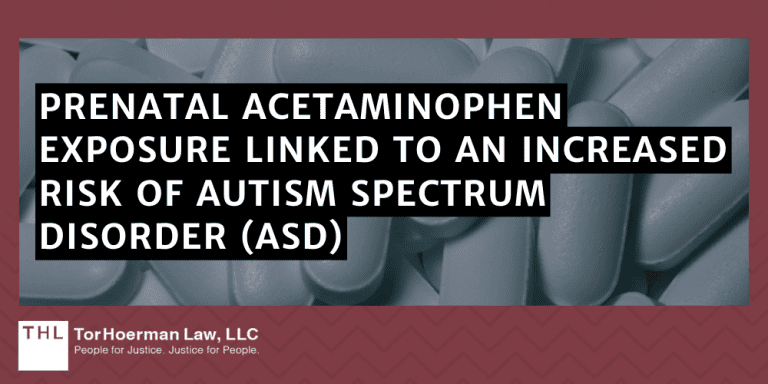
Acetaminophen (paracetamol), ubiquitously used to alleviate pain and reduce fever, is often perceived as a safe staple during pregnancy. However, emerging evidence has cast a shadow of uncertainty over its unregulated use, linking prenatal acetaminophen exposure to increased autism risk. This revelation challenges customary clinical guidance and invites a reexamination of dosage, duration, and timing during gestation.
The proposed biological mechanisms involve disruption of the endocrine system and oxidative stress induction within the fetal brain milieu. These subtle biochemical shifts may impair critical processes like neuronal migration and synaptogenesis. Although the causal relationships are still being elucidated, the precautionary principle advocates for cautious and judicious use of acetaminophen during pregnancy, reserving it for instances where benefits clearly outweigh potential risks.

Environmental Toxins: The Invisible Threat of PFAS Chemicals
Beyond pharmaceuticals, the prenatal environment harbors insidious threats in the form of pervasive environmental pollutants. Per- and polyfluoroalkyl substances (PFAS), a class of synthetic chemicals found in countless consumer products, have been implicated as neurodevelopmental hazards. Their remarkable chemical stability, while advantageous industrially, contributes to bioaccumulation and persistent exposure.
Recent research highlights correlations between prenatal PFAS exposure and alterations in genetic expression linked to neurodevelopmental disorders, including autism. These substances may interfere with endocrine signaling, disrupt neuronal differentiation, and induce epigenetic changes. Since PFAS exposure is largely involuntary and widespread, mitigating risk necessitates systemic public health interventions alongside individual precautionary measures, such as avoiding certain contaminated foods and consumer products.

Navigating the Complexities of Maternal Health and Risk Avoidance
The formidable challenge in delineating avoidable prenatal exposures lies in the nuance of managing maternal health conditions without compromising fetal well-being. Epilepsy, chronic pain, and fever represent conditions for which medication is not merely beneficial but essential. The interplay of pharmacodynamics, teratogenic risk, and genetic susceptibility creates a labyrinth of decision-making for healthcare providers and pregnant individuals alike.
Informed consent, personalized risk assessments, and multidisciplinary prenatal care emerge as indispensable pillars when strategizing avoidance of neurodevelopmental hazards. Additionally, increased public awareness and policy frameworks designed to reduce environmental contamination contribute to a safer prenatal landscape. The narrative is neither simplistic nor static; it demands continual refinement as scientific understanding advances.
Practical Measures to Minimize Prenatal Exposure Risks
So, how can expectant parents proactively reduce the risk of autism associated with prenatal exposures? First, communication with healthcare professionals is paramount. Review all prescribed and over-the-counter medications for necessity and safety. Second, minimize contact with industrial chemicals and products known to contain PFAS and other persistent organic pollutants. This may include avoiding certain fabrics, non-stick cookware, and contaminated water when possible.
Dietary choices also play a subtle yet significant role. Consuming organic produce, filtering tap water, and adhering to guidelines for fish consumption can reduce toxin intake. Finally, cultivating optimal maternal health through proper nutrition, stress management, and prenatal vitamins helps fortify fetal neurodevelopment against potential environmental insults.
With every decision made during pregnancy, a delicate thread is woven into the tapestry of future brain health. While the quest to fully elucidate the relationship between prenatal exposures and autism continues, proactive avoidance where possible offers a beacon of hope amid uncertainty. Through vigilance, education, and prudent healthcare, the possibility of nurturing resilient neurodevelopment in the forthcoming generation inches closer to reality.