Parents, educators, and clinicians often find themselves captivated by the transformative potential inherent in early intervention for children with autism. This fascination is no mere coincidence. Early intervention is more than a clinical recommendation; it is a profound opportunity to recalibrate a child’s developmental trajectory at a time when their brain demonstrates remarkable plasticity. Understanding why early intervention matters demands a foray into the delicate interplay between neurodevelopment, behavioral adaptation, and familial dynamics that together define the autism experience.
The Imperative of Early Detection
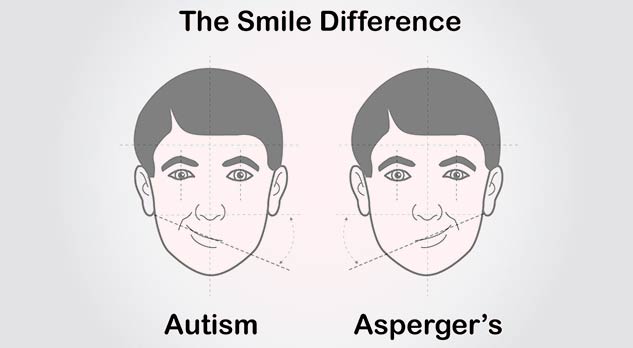
Autism Spectrum Disorder (ASD) is frequently characterized by subtle manifestations in the first months and years of life. Common observations, such as delayed social engagement or atypical communicative gestures, often prompt initial concern. Yet, these markers are frequently overlooked or misattributed, delaying critical support. Early detection is paramount because it taps into a window of heightened cerebral malleability during infancy and toddlerhood. At this stage, neural circuits are especially receptive to environmental input, making intervention far more efficacious in shaping the foundational cognitive and social skills that underpin later functioning.

Delays in recognizing early signs often stem from the heterogeneity of autism presentation. This diversity can obscure clear diagnostic pathways, thereby necessitating vigilant observation and nuanced clinical acumen. By embracing early screening protocols, caregivers and professionals alike can pivot from reactionary care to proactive intervention, fundamentally altering developmental possibilities.
Neuroplasticity: The Biological Basis for Early Intervention
The brain’s intrinsic neuroplasticity in early childhood serves as the biological cornerstone for the efficacy of early intervention. This plasticity refers to the brain’s remarkable ability to reorganize neural pathways in response to sensory experience and learning. It is this characteristic that underlies the rapid acquisition of speech, social reciprocity, and adaptive behaviors observed in typically developing infants and toddlers.
Children with autism face challenges in these same domains, but with timely therapeutic engagement, they can harness neuroplasticity to reinforce alternative neural pathways and compensate for deficits. These evolved neural networks facilitate improvements in communication, social interaction, and sensory processing. Delayed entry into intervention forfeits this critical neurodevelopmental window, often resulting in more entrenched behavioral patterns that demand intensive, prolonged therapies later in life.
Comprehensive Therapeutic Approaches and Their Impact
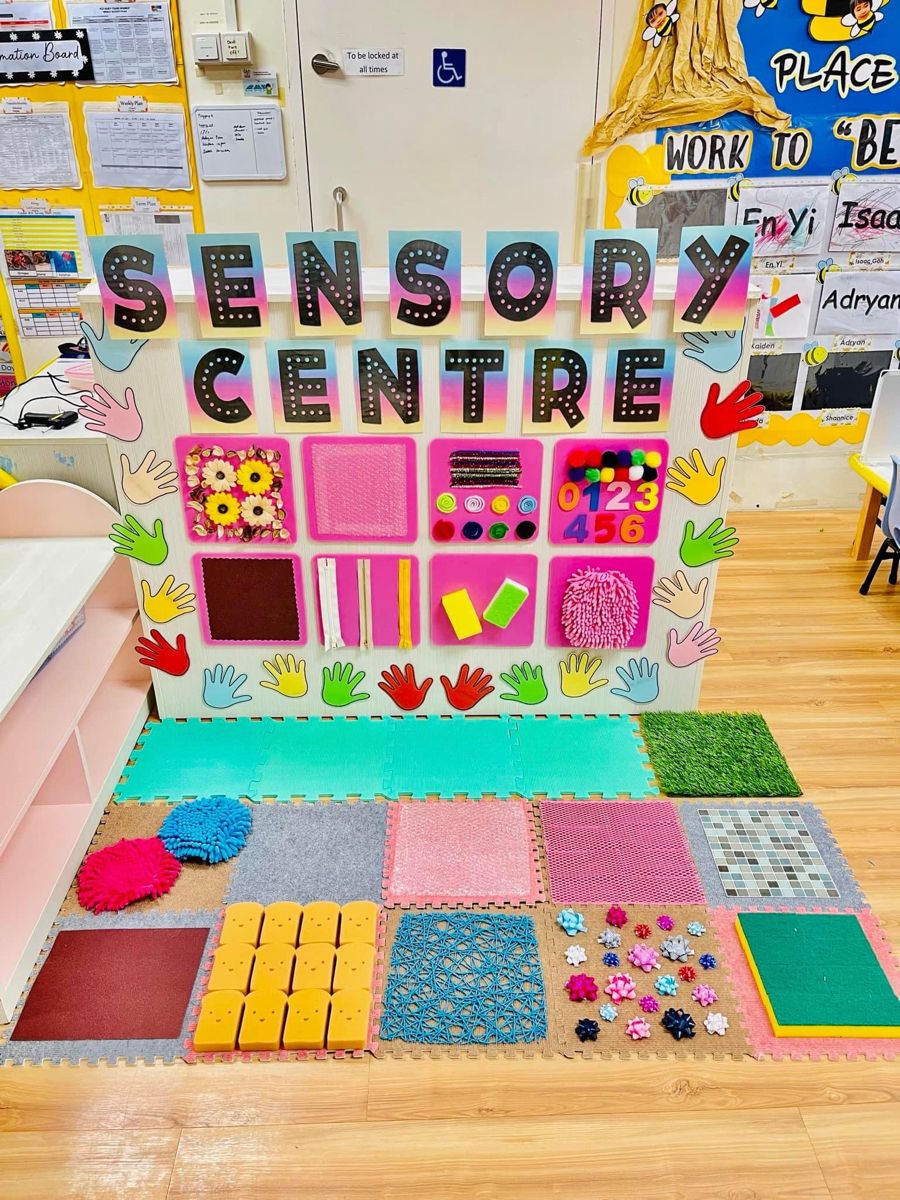
Early intervention is not monolithic; it encompasses a mosaic of specialized therapies tailored to individual children’s needs. Behavioral interventions, such as Applied Behavior Analysis (ABA), emphasize reinforcing desirable behaviors through structured, evidence-based techniques. Speech and language therapy target the enhancement of communication skills, a frequent area of difficulty in autism. Occupational therapy addresses sensory integration and daily living skills, empowering children to navigate their environments with increased autonomy.

The integration of these modalities within an early intervention framework facilitates a holistic developmental approach. This multifaceted strategy not only advances core competencies but also alleviates secondary challenges such as anxiety, rigidity, or social withdrawal. The cumulative effect is a substantial enhancement in quality of life for both the child and their family unit.
Socio-Emotional Benefits and Family Dynamics
Autism’s impact extends beyond the affected child, reverberating throughout the family ecosystem. Early intervention can mitigate familial stress by providing parents with tools and strategies to better understand and support their child’s unique needs. This empowerment alleviates feelings of helplessness and fosters a collaborative spirit between caregivers and professionals.
Furthermore, early therapeutic engagement promotes improved social reciprocity in children, facilitating their integration into school settings and peer groups. These social benefits are pivotal, as inclusion and acceptance contribute to self-esteem and emotional resilience. Early intervention thus serves as a catalyst for weaving the child more seamlessly into the social fabric, reducing isolation and promoting lifelong interpersonal growth.
Long-Term Outcomes and Societal Implications
The ramifications of early intervention extend far beyond immediate developmental gains. Longitudinal studies underscore that children who receive support at a younger age exhibit superior educational achievement, vocational success, and independent living capabilities in adulthood. This trajectory diminishes the long-term societal costs associated with autism, including healthcare, social services, and caregiver burden.
Investment in early intervention is, therefore, an investment in societal well-being. Communities benefit when individuals with autism are equipped to participate more fully and autonomously in economic and social spheres. The ripple effect improves collective quality of life, making early intervention a public health imperative as much as an individual clinical priority.
Overcoming Barriers to Access
Despite its demonstrable benefits, early intervention is frequently hindered by systemic barriers. Geographic disparities, socioeconomic constraints, and limited provider availability often preclude timely therapeutic engagement. Additionally, cultural perceptions and stigma may discourage families from seeking diagnoses and treatment.
Addressing these obstacles requires advocacy efforts aimed at expanding early screening programs, enhancing insurance coverage, and educating communities about autism. Telehealth and other innovative delivery models also hold promise for bridging gaps in access, ensuring that more children benefit during this critical period of neurodevelopment.
In the expansive dialogue surrounding autism, early intervention emerges as a cornerstone of hope and transformation. By recognizing the profound implications of timely, targeted therapeutic engagement, society can alter the narrative from one of limitation to possibility. The fascination with early intervention is thus deeply rooted in its potential to recalibrate lives during the most pivotal stages of development, nurturing potential where it once seemed elusive.