In the intricate mosaic of human experience, those living with autism often navigate a labyrinth marked by nuanced challenges and concealed struggles. One such profound and often overlooked reality is the phenomenon known as masking. Masking, the deliberate suppression or alteration of one’s natural autistic traits to conform to societal expectations, exacts a heavy toll—both mental and emotional. The silent agony behind this concealed performance frequently culminates in a cascade of burnout and deteriorating mental health. This exploration promises to shift prevailing perspectives, unveiling not merely the act of masking but its profound consequences and the urgent necessity for compassionate understanding.
The Artifice of Masking: An Intricate Social Camouflage
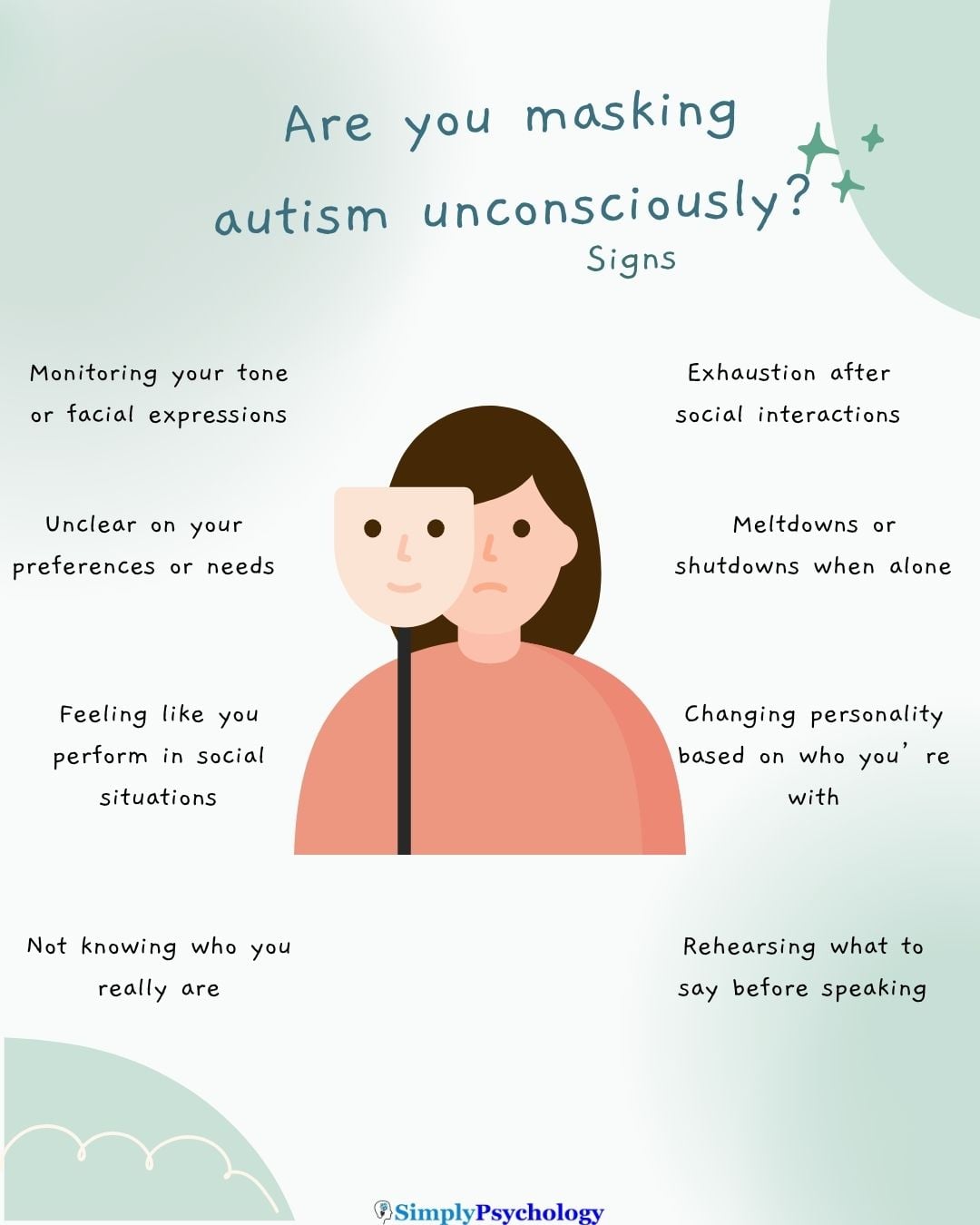
Masking represents a complex psychosocial strategy, wherein autistic individuals consciously or subconsciously emulate neurotypical behaviors to navigate social environments with diminished friction. This behavioral masquerade extends beyond simple mimicry; it often involves suppressing innate sensory responses, stifling natural communication styles, and modulating emotional expressions. The invisible armor of masking intends to deflect misunderstanding and prejudice, facilitating a veneer of conformity that shields from overt stigma.
However, this continuous modulation of self can be profoundly dissonant. The façade demands perpetual vigilance and effort, compelling the individual to expend an extraordinary amount of cognitive resources. Over time, this taxing performance becomes unsustainable, setting the stage for a precipitous decline in mental well-being.

The Insidious Onset of Burnout
Burnout in autistic individuals is not merely fatigue; it is an overwhelming state of physical, emotional, and cognitive exhaustion precipitated by prolonged masking. Unlike conventional burnout encountered in occupational settings, autistic burnout is deeply intertwined with the chronic denial of authentic selfhood.
This state manifests with a constellation of symptoms: profound exhaustion, decreased tolerance to sensory stimuli, impaired executive functioning, and heightened anxiety or depression. Daily tasks that were once manageable may become insurmountable, resulting in withdrawal, reduced social engagement, and a diminished quality of life.
Exhaustion arising from masking transcends momentary tiredness—it corrodes resilience and disrupts neural pathways essential for self-regulation. The relentless pressure to maintain a social disguise without reprieve creates a psychological pressure cooker, often culminating in crisis points that require extended recovery periods.

The Quiet Epidemic: Mental Health Consequences
The psychological ramifications of masking extend far beyond immediate burnout. A substantial body of evidence correlates prolonged masking with increased incidences of anxiety, depression, and suicidal ideation among autistic individuals. The internal conflict between authentic identity and an externally imposed persona fosters a profound sense of isolation and alienation.
The chronic suppression of one’s true self can lead to identity fragmentation, where individuals struggle to reconcile who they are internally with the façade they project externally. This dissonance fuels self-stigmatization, diminished self-worth, and heightened vulnerability to mental illness.
Moreover, conventional mental health approaches often overlook the unique interplay between masking and mental health symptoms in autistic populations. This oversight exacerbates the struggle, as individuals may be misdiagnosed or inadequately supported, compounding the burden of their concealed distress.
Promising Paths Forward: Recognition and Reclamation
Awareness of the heavy costs associated with masking catalyzes a pivotal shift in how society approaches autism. The first and most vital step is fostering environments that value neurodiversity, encouraging authenticity over conformity. Acceptance, rather than adaptation, should become the guiding paradigm.
Supporting individuals in unmasking requires a multifaceted approach. This includes creating safe spaces where autistic individuals can express their authentic selves without fear of judgment or reprisal. Therapies should focus on empowerment rather than normalization, emphasizing strengths and resilience.
Additionally, education for non-autistic individuals regarding the nuances of masking and its toll is essential. Empathy, informed by genuine understanding, can dismantle the societal pressures that compel masking in the first place.

Conclusion: Toward a Compassionate Horizon
The journey through masking is fraught with hidden battles and unseen wounds. Recognizing the profound cost of this social camouflage invites a transformative reimagining of support systems, mental health frameworks, and societal attitudes. By illuminating the shadows cast by masking, it becomes possible to foster resilience, promote mental wellness, and honor the authentic selves of autistic individuals.
As this narrative evolves, the future promises a landscape in which the heavy burdens of masking can be lifted—ushering in an era of acceptance where every person is empowered to thrive in their genuine identity. The road ahead challenges us to dismantle preconceived notions and replace them with a compassionate embrace of neurodiversity, heralding hope, healing, and holistic well-being.