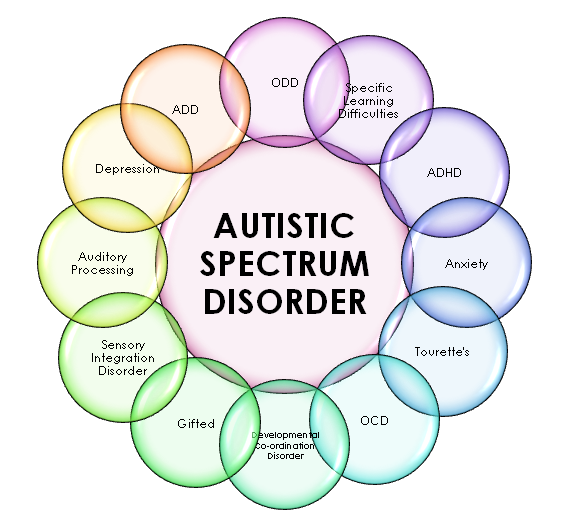
The phenomenon of sensory sensitivity among autistic individuals is a pervasive and intriguing aspect of the autism spectrum. It is widely observed yet not fully comprehended outside of specialized research and clinical contexts. Many people notice how certain sounds, textures, lights, or smells can provoke intense reactions or discomfort in autistic people. This heightened sensory experience is more than a mere quirk; it forms a critical part of how autistic individuals perceive and interact with the world. Why, then, are autistic people often sensory-sensitive? This question beckons an exploration into the neurological, psychological, and phenomenological dimensions that underpin sensory processing differences in autism.
Neurological Underpinnings of Sensory Sensitivity
At the heart of sensory sensitivity lies the intricate architecture of the autistic brain. Neuroimaging studies have revealed that autistic individuals often exhibit atypical connectivity patterns between various brain regions responsible for sensory integration and modulation. In particular, sensory inputs may not be filtered or prioritized in the same way as in neurotypical brains. The thalamus, a critical relay station for sensory information, alongside the somatosensory cortex, shows variations in activity that influence how stimuli are perceived.
This atypical neural wiring can result in amplified sensory signals or, conversely, diminished sensory awareness, depending on context and individual differences. Such hyper- or hypo-sensitivity means that everyday environmental factors can be experienced with overwhelming intensity or subtlety. The brain’s inability to adequately gate sensory input may lead to an inundation of stimuli, causing stress, discomfort, and sometimes pain. This neurobiological variation is pivotal in understanding why many autistic individuals become acutely attuned—or alternatively, purposefully avoidant—of their sensory environment.
The Sensory Processing Spectrum: More Than Overload
Sensory sensitivity in autism is not a monolithic experience but rather a spectrum of responses ranging from hypersensitivity to hyposensitivity across different sensory modalities. These modalities include auditory, tactile, visual, olfactory, gustatory, vestibular, and proprioceptive senses. An autistic individual may demonstrate aversion to loud noises while showing an unusual fascination with specific textures or patterns, reflecting the diversity of sensory profiles.
These divergent sensory sensitivities often manifest as coping mechanisms or adaptations. For example, a preference for predictable sensory input—such as repetitive movements or specific sound frequencies—may provide a soothing counterbalance to the unpredictable nature of other sensory experiences. The interplay of sensory inputs dynamically shapes an autistic person’s experience of the world, influencing their behaviors, preferences, and interactions.

Psychological and Emotional Dimensions
Beyond the neuroscience, the sensory sensitivities of autistic individuals carry profound psychological implications. The experience of sensory overload can evoke anxiety, frustration, and social withdrawal. When sensory environments are unpredictable or overwhelming, autistic people may find it difficult to maintain attention or engage with others, sometimes leading to a sense of isolation or misunderstanding.
Conversely, sensory sensitivity may also offer unique pathways to engagement and enjoyment. Many autistic people cultivate a heightened appreciation for specific sensory experiences, forming deep interests or affinities for particular sounds, visuals, or tactile sensations. This intense focus can ignite creativity and innovation, challenging the assumption that sensory sensitivity is solely a source of distress. Instead, it can signify a nuanced relationship to the sensory world that is both rich and complex.
Developmental and Lifespan Considerations
Sensory sensitivities often manifest early in childhood but can evolve throughout the autistic individual’s life. In younger children, sensory aversions might appear as refusal to wear certain clothes or difficulties with feeding, reflecting tactile or gustatory sensitivities. During adolescence and adulthood, these sensory responses may become more nuanced or even masked due to social pressures or adaptive strategies.
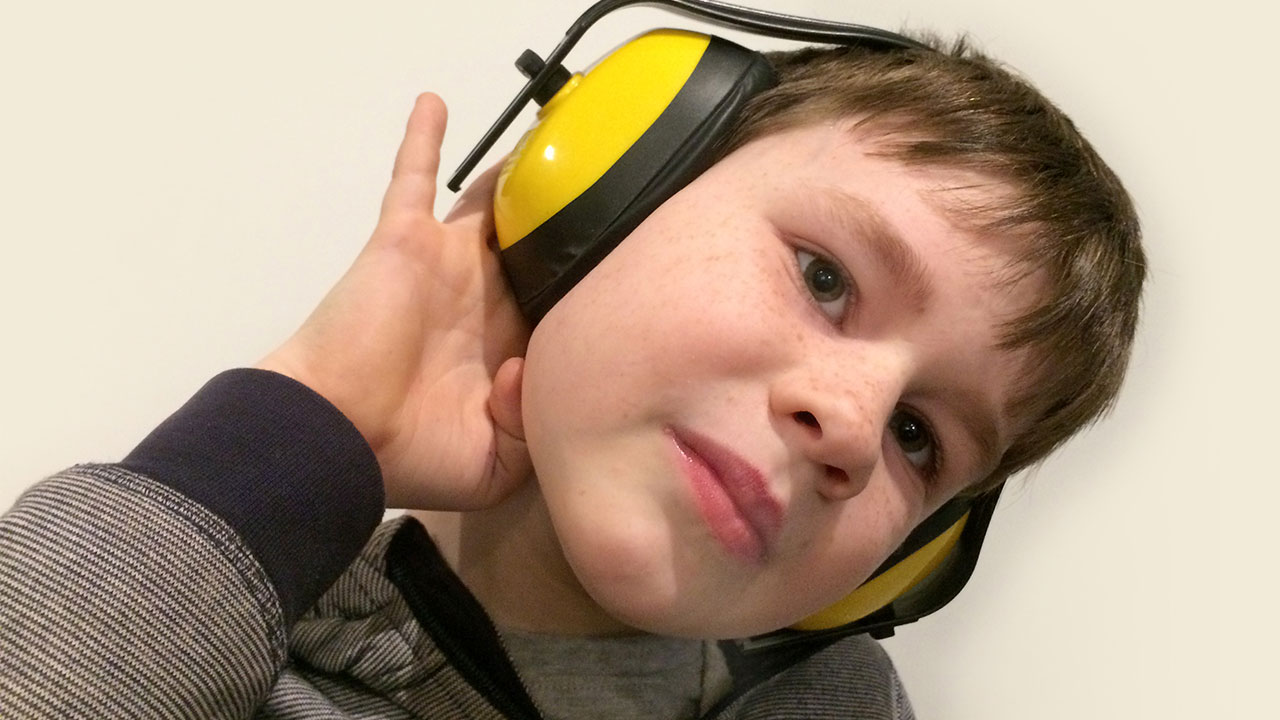
Understanding sensory sensitivity across the lifespan requires an appreciation for its fluctuating nature. Sensory experiences might intensify during periods of stress or fatigue and recede when the environment is controlled or familiar. Supportive interventions that tailor sensory environments—such as quiet spaces, weighted blankets, or noise-cancelling headphones—can greatly enhance autonomy and well-being at any stage.
Cultural and Social Contexts: Impact on Perception
The broader societal context invariably influences how sensory sensitivity is perceived and managed. Historically, sensory differences have been misunderstood or stigmatized, often categorized simplistically as behavioral issues. This mischaracterization overlooks the profound biological and emotional realities faced by autistic individuals. The cultural tendency to prioritize sensory environments that are optimized for neurotypical comfort inadvertently marginalizes those with sensory sensitivities.
Increased awareness and advocacy have begun to shift this paradigm, emphasizing sensory accessibility as a crucial aspect of inclusion. Sensory-friendly spaces, thoughtful design in public venues, and open dialogues about sensory preferences are progressively recognized as essential components of equitable social participation. Supporting sensory-sensitive individuals is not merely a matter of accommodation but of respecting a fundamental aspect of their identity.
A Fascination Rooted in Complexity
The persistent curiosity about why autistic people are often sensory-sensitive underscores a broader human desire to understand difference and diversity in perception. This fascination hints at deeper themes of embodiment, cognition, and the subjective nature of reality. Sensory sensitivity in autism challenges conventional notions of perception as a passive process, revealing it instead as an active, multifaceted dialogue between brain, body, and environment.
Exploring sensory sensitivity opens a door to redefining how sensory experiences contribute to personhood itself. It invites reconsideration of what constitutes normalcy and difference, urging a move away from pathology towards appreciation of neurological diversity. This understanding enriches our collective knowledge of human experience and fosters environments where all sensory perspectives can be valued and supported.
In sum, sensory sensitivity in autistic individuals arises from a confluence of neurological variations, complex sensory processing patterns, psychological factors, and social influences. It is an integral dimension of autism that shapes daily experiences, behaviors, and identities. Recognizing and honoring this sensitivity not only alleviates distress but also reveals uncharted depths of human perception—inviting empathy, innovation, and inclusion in equal measure.