
In the intricate dance of human behavior, autism masking can be likened to a chameleon’s camouflage—an adaptive yet taxing facade that autistic individuals employ to navigate the unyielding social landscape. This psychological veneer involves the conscious or subconscious suppression of natural autistic traits to blend into neurotypical environments. Beneath the surface of this adaptive performance, however, a tempest brews: anxiety. The relationship between autism masking and anxiety is labyrinthine, weaving through the corridors of identity, self-preservation, and mental health. To unravel this connection is to unveil the psychological cost of conformity amidst a world that often misunderstands difference.
Understanding Autism Masking: The Invisible Armor
Autism masking is not merely about mimicking behaviors; it is an exhaustive, continual effort akin to donning invisible armor that conceals authentic self-expression. For many autistic individuals, masking manifests as the suppression of stimming (self-soothing repetitive behaviors), forcing eye contact, rehearsing social scripts, or altering vocal tone and facial expressions to align with societal expectations. This behavioral adaptation aims at avoiding stigma and social exclusion, effectively serving as a survival mechanism.
This invisible armor, however, demands relentless vigilance. Every social interaction becomes a calculated performance, where natural impulses are disguised under layers of practiced inhibition. While masking may afford fleeting acceptance, it exacts an immeasurable psychological price. The very essence of an autistic person’s identity becomes obscured, creating a discord between outward appearances and internal reality.
The Psychological Toll: Anxiety’s Silent Undercurrent
The act of masking is intrinsically linked with the emergence and perpetuation of anxiety. Imagine carrying an ever-heavier weight hidden beneath a finely painted facade—this burden strains emotional and cognitive resources, gradually eroding mental well-being. Anxiety often blossoms from hypervigilance, the continuous self-monitoring required to maintain the mask. The frantic effort to predict and adapt to social nuances can overwhelm even the most resilient minds.
Moreover, the suppression of authentic responses generates feelings of alienation and fragmentation. This incongruence between internal experience and external presentation fosters an insidious sense of isolation, which amplifies anxious symptoms. For many, anxiety is not simply a response to external stressors but a direct byproduct of relentless masking.
Neuroimaging studies support this narrative, revealing heightened amygdala activation—an area integral to fear and anxiety—in autistic individuals engaging in masking behaviors. This suggests that masking triggers neurobiological mechanisms underpinning chronic stress and anxiety, accentuating its detrimental effects.
Social Dynamics and the Vicious Cycle
Social environments often function as both the impetus and the obstacle to masking. While masking enables autistic individuals to meet societal expectations, it also perpetuates misunderstandings about their authentic needs. Neurotypical observers may misinterpret masking as typical behavior, overlooking the nuanced challenges faced by autistic individuals.
This social misalignment can ignite a vicious cycle: masking to gain acceptance leads to exhaustion and anxiety, which in turn diminishes social confidence and can precipitate withdrawal or burnout. Burnout manifests as profound fatigue and reduced functional capacity, impeding quality of life and complicating social reintegration. The relentless oscillation between masked engagement and withdrawal further entrenches anxiety, embedding it deeper into the psyche.

Identity and Mental Health: Unmasking the Self
On an existential level, masking disrupts the continuity of self-identity. The dissonance between the performed persona and authentic self can foster profound confusion and distress. Autistic individuals may grapple with feelings of inauthenticity, self-doubt, and a diminished sense of agency.
This fragmentation is fertile ground for anxiety disorders, depression, and other mental health challenges. The inability to openly express oneself or to be accepted for one’s genuine nature leads to an internalized stigma, which further compounds psychological vulnerability. Therapeutic interventions increasingly recognize the importance of affirming identity and encouraging spaces where autistic individuals can safely unmask without judgment or repercussion.
Strategies for Support: Compassionate Interventions
Addressing the link between autism masking and anxiety necessitates a nuanced, empathetic approach. For caregivers and practitioners, fostering environments that value authenticity over conformity is paramount. This includes educating communities to embrace neurodiversity, thereby reducing the social impetus to mask.
Therapeutic frameworks centered on self-acceptance, emotional regulation, and anxiety management can alleviate the burdens associated with masking. Cognitive-behavioral techniques tailored for autistic individuals offer tools to mitigate anxiety while honoring authentic communication styles. Additionally, peer support groups and autistic-led advocacy empower individuals to reclaim their narratives and dismantle the stigma surrounding masking.
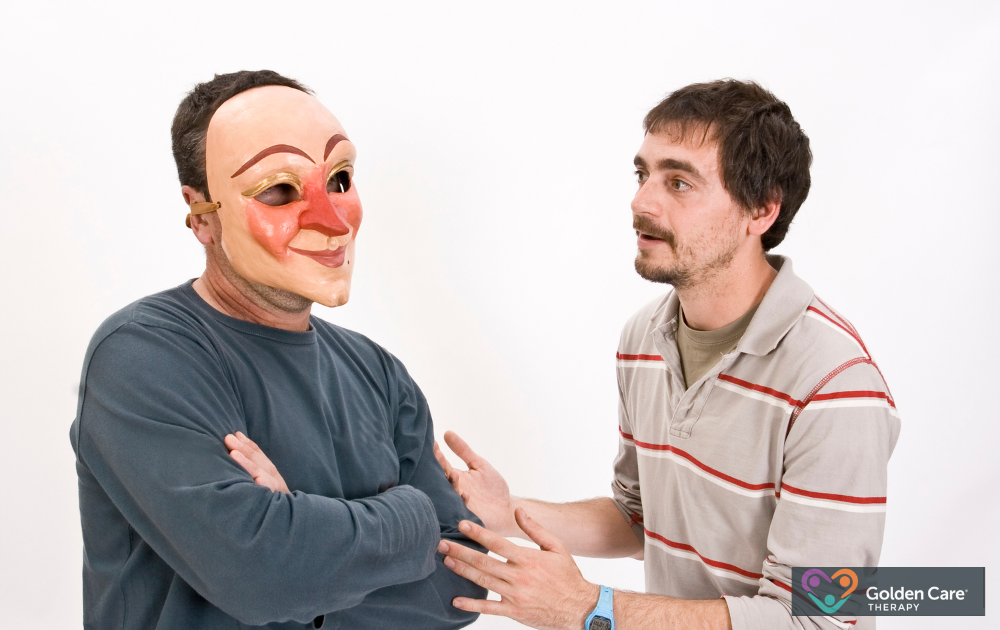
Ultimately, the goal is to transform societal spaces into harbors of acceptance, where the psychological armor of masking becomes unnecessary. This shift not only mitigates anxiety but also champions the rich tapestry of autistic experiences.
In the grand mosaic of human diversity, autism masking stands as a paradoxical testament to resilience and vulnerability. It is a bridge built across the chasm of social misunderstanding, yet it simultaneously obscures the vibrant self beneath. Illuminating the link between autism masking and anxiety calls for collective awareness, compassionate intervention, and an unwavering commitment to authenticity. Only then can the burden of the mask be lifted, revealing the true visage underneath—and with it, a path toward genuine psychological freedom.