In the labyrinth of parenting a child with autism, few challenges are as deceptively complex as the act of securing them into a car seat. It’s a ritual that should feel like a cocoon of safety, yet for many neurodivergent children, it becomes a battleground of tactile aversion, auditory assault, and claustrophobic dread. The car seat, designed as a fortress of protection, can morph into a sensory prison—one that demands not just compliance, but surrender. Yet, within this tension lies an opportunity: to transform a moment of tension into one of trust, to turn a rigid structure into a sanctuary. The key? Sensory-friendly choices that prioritize both safety and serenity.
Imagine, for a moment, the car seat as a spacesuit. Just as astronauts require specialized gear to navigate the hostile void of space, children with autism often need bespoke solutions to traverse the sensory minefield of everyday life. The wrong fit—too tight, too scratchy, too loud—can feel like a malfunction in a high-stakes mission. But the right one? It becomes an extension of their body, a second skin that whispers, *You are safe here.* This metaphor isn’t just poetic; it’s a blueprint for rethinking how we approach car seat safety for neurodivergent children.
The Sensory Storm: Why Standard Car Seats Fail
For a child with autism, the world is a symphony of stimuli—some harmonious, others cacophonous. A standard car seat, with its synthetic fabrics, rigid plastic shell, and the relentless hum of the engine, can feel like a sensory earthquake. The straps dig into skin like barbed wire, the buckles click like a metronome counting down to discomfort, and the confined space triggers a primal fight-or-flight response. What should be a 15-minute ride to the grocery store becomes a Herculean task, fraught with tears, resistance, and parental exhaustion.
Consider the tactile triggers: the seams of a car seat’s harness can feel like sandpaper against hypersensitive skin. The plastic headrest might press into the back of the neck like a blunt needle. Even the scent of new car seat materials—often a cocktail of synthetic adhesives and flame retardants—can be overwhelming, akin to walking into a freshly painted room with the windows closed. For children with autism, these sensations aren’t just noticed; they’re amplified, distorted, and inescapable. The result? A child who associates car rides with distress, making every outing a negotiation rather than a routine.
Designing a Car Seat as a Sensory Haven
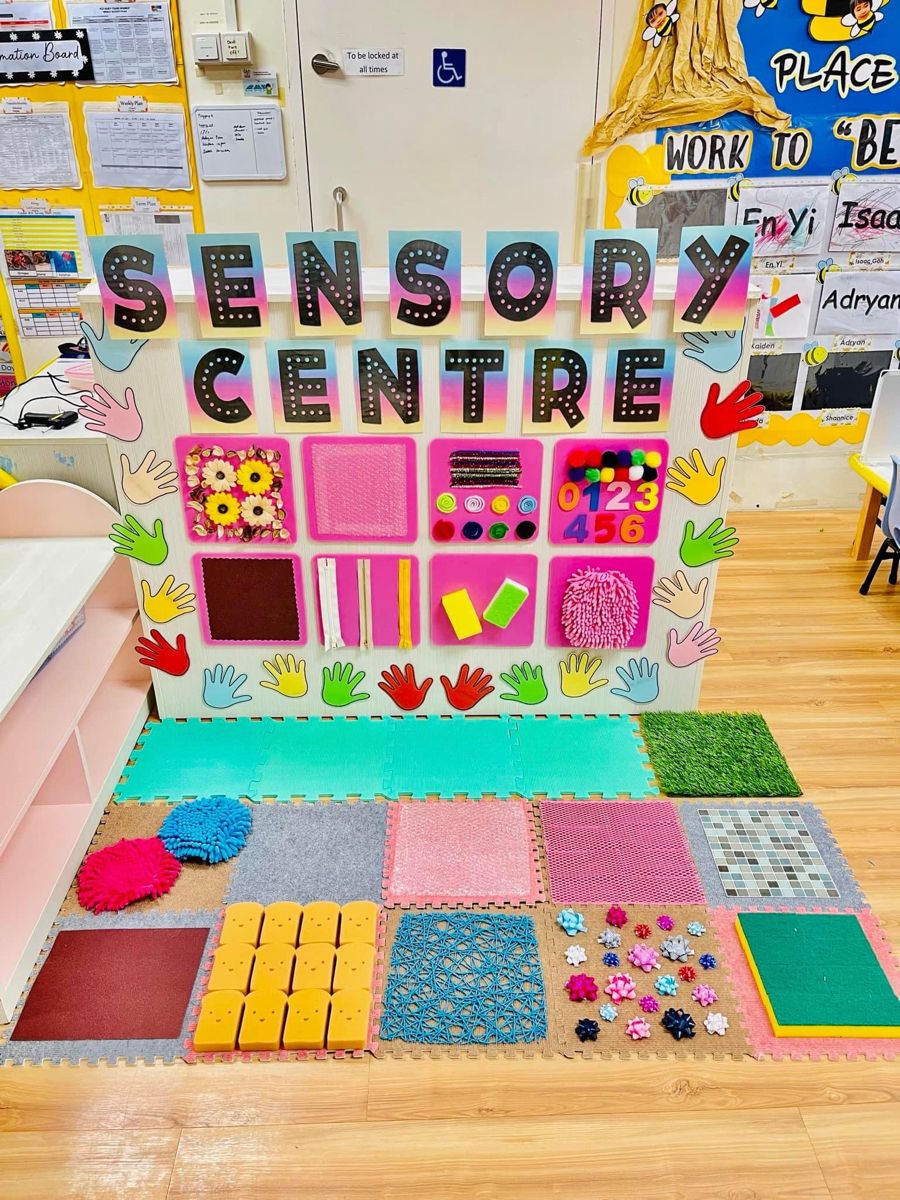
If the problem is a sensory overload, the solution must be sensory harmony. The modern market offers a growing array of car seats designed with neurodivergent children in mind—seats that prioritize softness, adjustability, and noise reduction. Look for models with:
- Hypoallergenic, breathable fabrics: Materials like organic cotton or bamboo-derived synthetics reduce irritation and regulate temperature, preventing the sweltering discomfort of synthetic blends.
- Padded harness straps: Thicker, cushioned straps distribute pressure evenly, eliminating the “digging” sensation that can trigger tactile defensiveness.
- Noise-dampening features: Some seats incorporate sound-absorbing foam or quieter buckle mechanisms to mute the metallic *clink* that can startle a sensitive child.
- Modular configurations: Seats that allow for reclining angles or removable padding let parents customize the fit, ensuring the seat adapts to the child’s body—not the other way around.
But sensory-friendly design isn’t just about the seat itself; it’s about the ecosystem around it. A child who struggles with transitions might benefit from a visual schedule showing the steps of buckling in, or a weighted lap pad to provide deep-pressure input during the ride. Even the angle of the seat—too upright can feel like a towering threat, while too reclined may trigger gravitational insecurity—requires careful calibration. It’s a puzzle, but one where every piece must align to create a sense of control.
The Psychology of Comfort: Building Trust in Motion
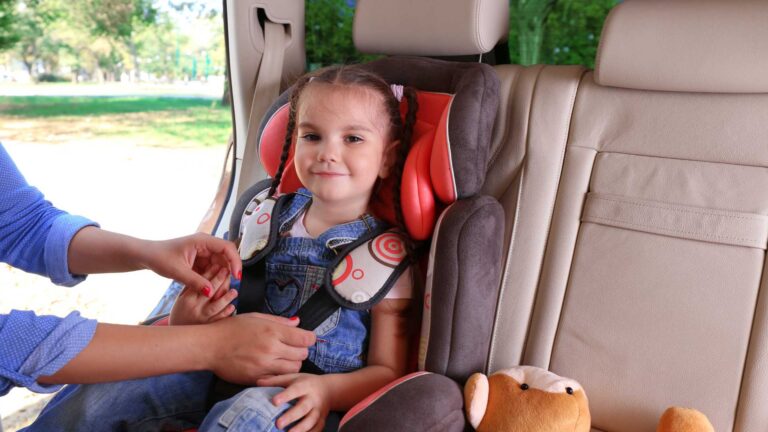
Safety, in the context of autism, is as much psychological as it is physical. A child who fears the car seat isn’t just resisting a restraint; they’re resisting the unknown. To bridge this gap, parents must become architects of trust. Start by introducing the seat outside the car—a cozy nest in the living room where the child can sit, play, and acclimate to its presence. Use it as a reading nook or a quiet corner, associating it with positive experiences rather than confinement.
Desensitization is another powerful tool. Begin with short, low-stakes trips—a drive around the block, a loop to the mailbox—and gradually increase duration as the child grows comfortable. Pair these outings with sensory comforts: a favorite stuffed animal, a weighted blanket, or a calming playlist. Over time, the car seat becomes a vessel of adventure, not dread. It’s a slow alchemy, turning fear into familiarity, and resistance into routine.
For children with severe sensory aversions, alternative restraint systems may be necessary. Some parents opt for car beds, which allow a child to lie flat—a position that can feel less restrictive for those who struggle with the upright confines of a traditional seat. Others explore adaptive harnesses, like the Crelling harness, which offers a more ergonomic and less intrusive way to secure a child who resists standard straps. These aren’t compromises; they’re innovations, tailored to the child’s unique needs.
Beyond the Seat: The Car as a Sensory Sanctuary
The car seat is just one component of a larger sensory ecosystem. The interior of the car itself can either exacerbate or alleviate a child’s discomfort. Consider:
- Lighting: Harsh sunlight or glaring dashboard lights can be overwhelming. Tinted windows, sunshades, or even dimmable cabin lighting can create a softer ambiance.
- Soundscapes: White noise machines or noise-canceling headphones can drown out the cacophony of traffic, sirens, and engine hum, replacing it with a soothing constant.
- Temperature control: A child who is hypersensitive to heat or cold may struggle in a car that’s too warm or too chilly. Seat covers with temperature-regulating properties or a portable fan can make a world of difference.
- Scent: A subtle, calming fragrance—like lavender or chamomile—can mask the harsh chemical smells of the car interior, creating a more inviting atmosphere.
Even the route matters. A child who is prone to motion sickness or overstimulation may fare better on familiar, less congested roads. The goal isn’t just to reach the destination; it’s to ensure the journey itself is as smooth as possible.

The Ripple Effect: Safety, Independence, and Freedom
When a child with autism feels safe in their car seat, the benefits extend far beyond the ride itself. It fosters independence—a child who can buckle themselves in (or at least tolerate the process) gains a sense of agency in a world that often dictates their every move. It reduces parental stress, too; the guilt of forcing a child into discomfort is replaced by the confidence that every outing is a step toward normalcy.
There’s a deeper metaphor here, too. The car seat, once a symbol of constraint, becomes a tool of liberation. It’s the bridge between home and the wider world, between dependence and autonomy. For a child with autism, mastering the car seat isn’t just about safety; it’s about reclaiming a small piece of the world that often feels overwhelming.
In the end, the quest for a sensory-friendly car seat is about more than comfort—it’s about dignity. It’s about recognizing that a child’s resistance isn’t defiance; it’s communication. And when we listen, when we adapt, when we design with empathy, we don’t just create a safer ride. We create a foundation for a child to explore, to grow, and to thrive.
The road ahead may still have its bumps, but with the right tools, those bumps can feel like gentle waves rather than jarring obstacles. The car seat, once a battleground, becomes a launchpad—a place from which a child with autism can venture into the world, one safe mile at a time.