In an era where technology permeates every facet of life, its transformative potential extends into the realm of neurodiversity, particularly autism. Assistive technology emerges not merely as a tool, but as a bridge—connecting individuals with autism to greater independence, communication, and self-expression. For parents, educators, and caregivers, understanding the breadth of these tools is paramount. This article explores the multifaceted landscape of assistive technology for autism, illuminating how each innovation fosters autonomy and enriches lives.
From tactile interfaces to voice-activated systems, the spectrum of assistive technology is as diverse as the individuals it serves. These tools are not one-size-fits-all; they are carefully curated solutions designed to address specific challenges—whether in communication, learning, sensory processing, or daily living. By integrating these technologies, we empower individuals with autism to navigate the world on their own terms, reducing reliance on external support and enhancing their quality of life.
The Evolution of Assistive Technology: From Analog to Digital
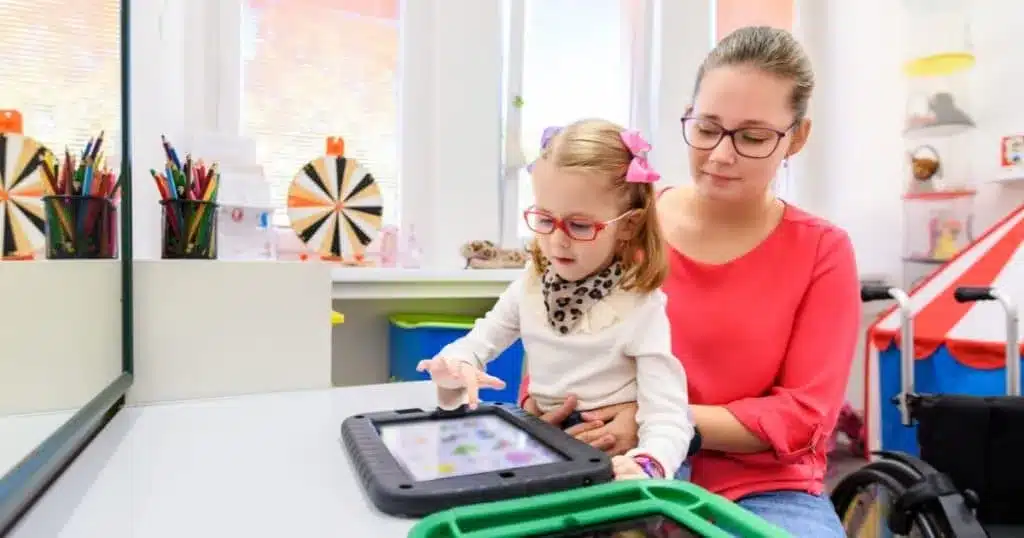
The journey of assistive technology for autism has evolved dramatically over the decades. Initially, adaptations were rudimentary—visual schedules crafted from paper, or simple communication boards with picture symbols. These analog tools laid the foundation, proving that structured, visual support could enhance understanding and reduce anxiety. However, their limitations were evident: static, inflexible, and often requiring constant updating.
Enter the digital revolution. Today’s assistive technologies harness the power of software, artificial intelligence, and adaptive hardware to create dynamic, responsive systems. Tablets, smartphones, and specialized devices now offer real-time feedback, customizable interfaces, and connectivity to broader networks. This shift from static to interactive tools has unlocked new possibilities, particularly for individuals with varying levels of support needs. The transition reflects a broader societal move toward inclusivity, where technology acts as a catalyst for participation rather than exclusion.
The integration of AI has further refined these tools. Machine learning algorithms can now predict communication needs, adapt interfaces based on user behavior, and even translate nonverbal cues into actionable insights. This evolution underscores a critical truth: assistive technology is not static; it learns, adapts, and grows alongside its users.
Communication Tools: Giving Voice to the Unspoken
For many individuals with autism, verbal communication presents a formidable barrier. Assistive communication tools serve as lifelines, transforming frustration into expression. Augmentative and Alternative Communication (AAC) systems, for instance, range from low-tech picture exchange systems to high-tech speech-generating devices. These tools provide a structured means to convey thoughts, needs, and emotions, reducing reliance on verbal language while fostering social connection.
One standout innovation is dynamic display AAC devices. Unlike static boards, these systems feature screens that change based on context, offering relevant vocabulary in real time. For example, a user selecting “hungry” might see options like “apple,” “pizza,” or “water,” tailored to their environment. This adaptability not only enhances communication efficiency but also reduces cognitive load, allowing users to focus on interaction rather than recall.
Another breakthrough lies in eye-tracking technology. For individuals with limited motor control, eye gaze systems enable them to select words or phrases by looking at a screen. Combined with predictive text algorithms, these tools can anticipate needs, accelerating communication and reducing the physical effort required. The result is a profound shift—from isolation to participation, from silence to dialogue.

Learning and Cognitive Support: Tailoring Education to Individual Needs
Education is a cornerstone of independence, yet traditional teaching methods often fail to accommodate the diverse learning styles of individuals with autism. Assistive technology bridges this gap by offering personalized, multisensory learning experiences. Interactive whiteboards, for instance, allow educators to create visual, auditory, and kinesthetic lessons that engage multiple senses simultaneously. This multimodal approach caters to varied cognitive profiles, making abstract concepts more tangible.
Software platforms like Proloquo2Go and TouchChat provide customizable communication and learning tools. These apps feature symbol-based vocabulary, text-to-speech capabilities, and user-specific profiles, enabling seamless integration into educational settings. For learners who thrive on routine, visual schedules within these apps offer predictability, reducing anxiety and enhancing focus.
Beyond communication, cognitive support tools address executive functioning challenges. Apps like Choiceworks help users break down tasks into manageable steps, while timers and reminders foster time management skills. These tools are not merely aids; they are scaffolds that gradually build independence, teaching users to self-regulate and problem-solve.
The role of gamification in learning cannot be overstated. Educational games designed for autism often incorporate rewards, progress tracking, and adaptive difficulty levels. By turning learning into an interactive experience, these tools motivate users to engage with content in ways that traditional methods cannot. The result is a more inclusive educational landscape, where every learner has the opportunity to thrive.
Sensory Integration and Environmental Adaptation
Sensory processing differences are a hallmark of autism, and assistive technology offers innovative solutions to create supportive environments. Noise-canceling headphones, for example, provide immediate relief in overstimulating settings, allowing users to regain focus and composure. Similarly, weighted blankets and compression garments offer tactile input that can soothe anxiety and improve sleep quality.
Smart home technologies further extend this support. Devices like Philips Hue smart bulbs can adjust lighting to reduce glare or flicker, while smart thermostats maintain consistent temperatures to minimize sensory discomfort. These adaptations are not luxuries; they are essential tools that transform living spaces into sanctuaries of calm.
For individuals with heightened sensitivity to textures or temperatures, adaptive clothing with seamless seams or temperature-regulating fabrics can make a world of difference. These innovations reflect a growing recognition that independence begins with comfort—both physical and emotional.
Social Skills and Emotional Regulation: Nurturing Connection
Navigating social interactions can be daunting for individuals with autism, but assistive technology offers structured pathways to understanding and connection. Social stories apps, such as Social Stories Creator, provide personalized narratives that explain social scenarios, emotions, and appropriate responses. These tools demystify the unspoken rules of interaction, empowering users to engage with confidence.
Emotion recognition software takes this a step further by analyzing facial expressions and vocal tones in real time. For users who struggle with interpreting emotions, these tools offer immediate feedback, helping them recognize and respond to the feelings of others. This not only enhances social competence but also fosters empathy and mutual understanding.
Virtual reality (VR) is emerging as a groundbreaking tool for social skills training. VR environments allow users to practice conversations, navigate social scenarios, and receive feedback in a safe, controlled setting. The immersive nature of VR makes it an ideal platform for experiential learning, where mistakes are opportunities for growth rather than sources of shame.
Daily Living and Independence: Tools for Everyday Autonomy
Independence in daily life is a goal shared by individuals with autism and their support networks. Assistive technology simplifies routines, from meal planning to personal care. Apps like Mealime generate customized recipes based on dietary preferences and skill levels, while smart kitchen gadgets offer step-by-step guidance for cooking. These tools reduce reliance on others, fostering self-sufficiency.
For individuals with fine motor challenges, adaptive utensils and button hooks make dressing and eating more manageable. Voice-activated assistants, such as Amazon Alexa or Google Home, provide hands-free control over home environments, from adjusting lights to setting reminders. These innovations are not just conveniences; they are gateways to autonomy.
Financial literacy tools, such as budgeting apps with visual interfaces, help users manage money independently. These platforms break down complex concepts into digestible steps, ensuring that users can make informed decisions about their finances. The cumulative effect of these tools is profound: they transform daily tasks from obstacles into achievements.
Future Horizons: The Next Frontier of Assistive Technology
The landscape of assistive technology is continually evolving, with emerging innovations poised to redefine what is possible. Brain-computer interfaces (BCIs), for instance, hold the potential to translate neural activity directly into digital commands. While still in early stages, BCIs could revolutionize communication for nonverbal individuals, offering a direct pathway from thought to expression.
Robotics is another frontier, with social robots designed to provide companionship and support. These robots can engage in conversations, offer reminders, and even teach social skills through interactive play. Their nonjudgmental nature makes them ideal partners for individuals who may feel overwhelmed by human interaction.
As technology advances, the focus must remain on accessibility and inclusivity. Developers are increasingly prioritizing user-centered design, ensuring that tools are intuitive, customizable, and affordable. The goal is not merely to provide assistance but to create opportunities for individuals with autism to lead fulfilling, self-directed lives.
The journey toward independence is not without its challenges, but assistive technology offers a beacon of hope. By embracing these tools, we honor the unique strengths and needs of individuals with autism, fostering a world where everyone has the opportunity to thrive. The future is not just about adapting to technology; it is about leveraging it to unlock potential, one innovation at a time.